
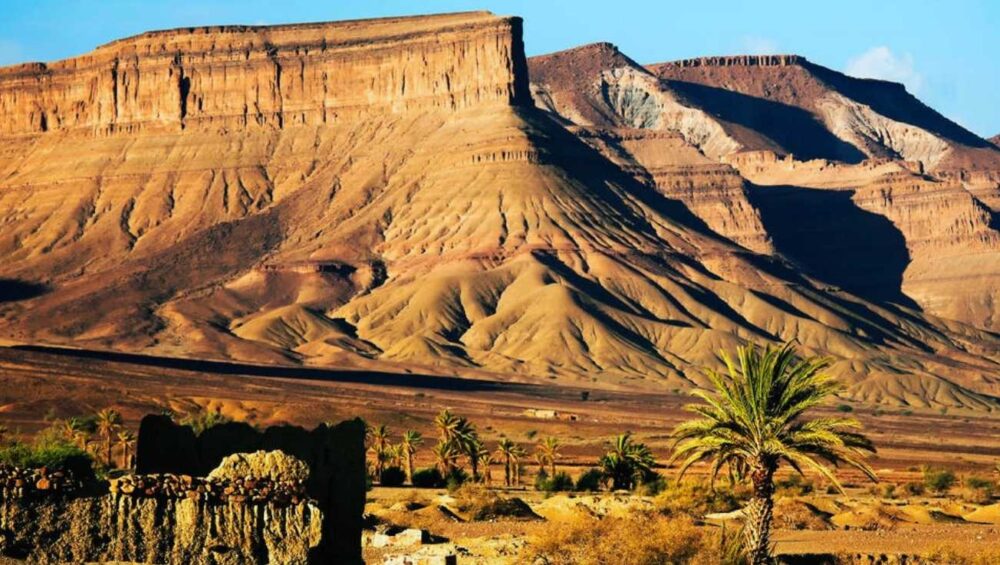
Nestled in the heart of Morocco, the High Atlas Mountains rise dramatically, offering an unforgettable escape into one of North Africa’s most breathtaking landscapes. Spanning from the Atlantic coast in the west to the edge of the Sahara Desert in the southeast, this majestic mountain range is home to snow-capped peaks, verdant valleys, and traditional Berber villages. Whether you are a seasoned trekker, a cultural explorer, or simply seeking peace amidst nature, the High Atlas Mountains promise an experience that is both exhilarating and soul-soothing.
A Natural Wonderland
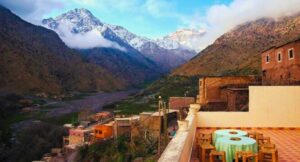
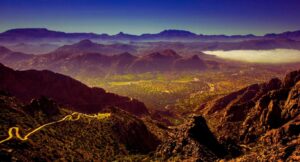 The High Atlas Mountains are characterized by rugged terrain, towering peaks, and deep gorges that have been carved over millennia. The range includes North Africa’s highest peak, Jebel Toubkal, which rises to an impressive 4,167 meters above sea level. Hiking to its summit is considered a rite of passage for adventure enthusiasts visiting Morocco. Along the way, trekkers encounter picturesque valleys, cascading streams, and traditional Berber villages perched on the mountainside. The dramatic scenery is constantly evolving, with colors shifting from golden hues at sunrise to deep blues at twilight, offering endless photographic opportunities.
Imlil: The Gateway to the High Atlas Mountains
Imlil is a charming village situated at the foot of Jebel Toubkal and serves as the perfect base for exploring the High Atlas Mountains. Located about 60 kilometers south of Marrakech, Imlil sits at an altitude of approximately 1,800 meters, providing a cool, refreshing respite from the city’s heat. The village is renowned for its welcoming Berber hospitality, with guesthouses, riads, and small hotels catering to trekkers and tourists alike. Staying in Imlil not only grants easy access to trekking routes but also allows visitors to immerse themselves in the region’s rich culture and traditions.
The village offers a range of trekking options suitable for all levels. From day hikes through nearby valleys to multi-day ascents of Jebel Toubkal, Imlil is a hub of adventure. Experienced local guides are available to ensure safe and enjoyable treks, while muleteers can transport luggage, allowing trekkers to travel light. For those seeking a more relaxed experience, the village itself provides serene walking paths, bustling markets, and cafes where one can sip mint tea while admiring the surrounding peaks.
Trekking in the High Atlas Mountains
Trekking in the High Atlas Mountains is an unforgettable experience. Trails wind through diverse landscapes, from rocky ridges to lush orchards filled with walnuts, cherries, and apples. The routes are dotted with traditional Berber villages, where travelers can witness local life, sample authentic Moroccan cuisine, and even participate in cultural activities such as bread-making or craft workshops. One of the most popular treks is the ascent of Jebel Toubkal, which, although challenging, rewards hikers with panoramic views stretching across the Atlas Mountains and beyond.
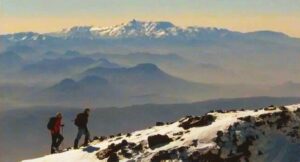
In winter, the High Atlas Mountains transform into a snowy wonderland, offering opportunities for ski touring and winter hiking. For photographers, the snow-covered peaks contrasted with the green valleys below create some of the most striking landscapes in Morocco. No matter the season, the High Atlas Mountains provide a setting for adventure, relaxation, and discovery.
Cultural Immersion in the Mountains
Beyond its natural beauty, the High Atlas Mountains are a cultural treasure trove. The region is home to the Berber people, who have inhabited these mountains for centuries. Their villages are often made from mud-brick houses that blend seamlessly into the landscape. Visitors can interact with local families, learn about traditional crafts, and experience Berber cuisine, which features dishes such as tagine, couscous, and pastilla. Festivals and local markets provide further opportunities to engage with the community, offering insight into a way of life that has remained largely unchanged despite modern influences.
Scenic Drives and Road Trips
For those who prefer a less strenuous adventure, the High Atlas Mountains can be explored by road. Scenic drives through winding mountain roads reveal breathtaking views at every turn. From the terraced fields to the river valleys, travelers can stop at viewpoints to photograph the landscape or enjoy a picnic surrounded by nature. The drive from Marrakech to Imlil, for instance, offers a stunning introduction to the High Atlas Mountains, transitioning from arid plains to verdant mountain valleys.
Accommodation with a View
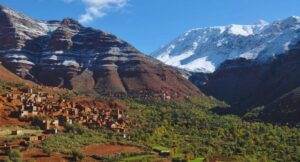 Accommodation in the High Atlas Mountains ranges from rustic guesthouses to luxury riads, many of which offer panoramic views of the surrounding peaks. Staying in a riad provides a unique opportunity to experience traditional Moroccan architecture and hospitality. Several lodges also offer guided trekking packages, making it convenient for visitors to explore the mountains without logistical concerns. For those seeking solitude, camping in designated areas or staying in mountain refuges allows for an immersive experience amidst the natural beauty of the High Atlas Mountains.
Culinary Delights
The High Atlas Mountains are not just a feast for the eyes but also for the taste buds. Traditional Berber cuisine emphasizes fresh, local ingredients, often prepared with a blend of aromatic spices. Guests can savor dishes such as slow-cooked tagines, hearty couscous, and freshly baked bread. Many guesthouses offer cooking classes, allowing travelers to learn the secrets of Moroccan culinary traditions. Additionally, local markets provide a glimpse into daily life, with vendors selling fruits, vegetables, nuts, and artisanal goods.
Responsible Tourism
Tourism in the High Atlas Mountains is increasingly focused on sustainability and responsible practices. Many villages, such as Imlil, have associations that use tourism revenue to improve local infrastructure, provide education, and support environmental conservation efforts. Visitors are encouraged to respect local customs, minimize waste, and support community initiatives. By traveling responsibly, tourists can help preserve the natural and cultural heritage of the High Atlas Mountains for future generations.
Adventure for Every Traveler
The High Atlas Mountains cater to all types of travelers. Adventure seekers can embark on multi-day treks, rock climbing excursions, and mountain biking trails. Nature enthusiasts can explore the diverse flora and fauna, while cultural explorers can immerse themselves in Berber traditions. Families can enjoy shorter hikes, scenic drives, and visits to local markets. Regardless of the chosen activity, the High Atlas Mountains promise a blend of adventure, relaxation, and cultural enrichment that is hard to find elsewhere.
Planning Your Visit
The best time to visit the High Atlas Mountains depends on the activities you wish to pursue. Spring and autumn offer mild temperatures and ideal trekking conditions, while winter provides snow-covered landscapes for winter sports. Summer can be warm, particularly in the valleys, but higher altitudes offer cooler temperatures. Marrakech serves as the primary gateway to the region, with well-connected flights and transport options to mountain villages like Imlil and Asni.
Conclusion
The High Atlas Mountains are a crown jewel of Morocco, combining natural beauty, cultural richness, and adventure opportunities. From the towering peaks of Jebel Toubkal to the serene villages of Imlil, this region offers experiences that captivate the senses and create lasting memories. Whether trekking through rugged trails, savoring Berber cuisine, or simply relaxing amidst the stunning scenery, a visit to the High Atlas Mountains is a journey into the heart of Morocco’s majestic landscape. For anyone seeking a blend of adventure, culture, and natural beauty, the High Atlas Mountains provide an unforgettable destination that truly exemplifies the magic of Morocco.