
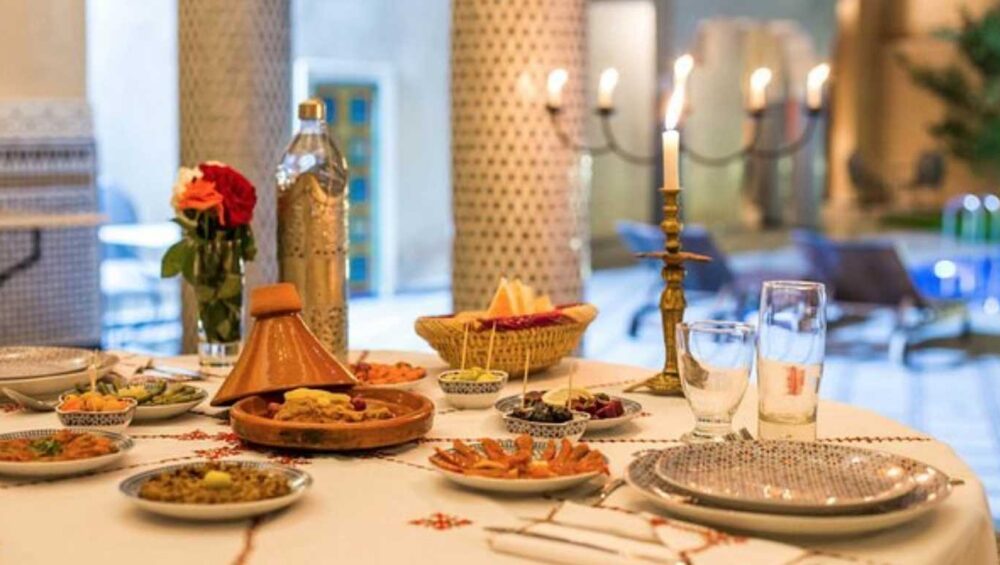
When travelers think about Morocco, they often imagine the bustling souks of Marrakech, the winding alleys of Fez, or the golden dunes of the Sahara. Yet, one of the richest and most memorable aspects of visiting this North African gem is without doubt Moroccan cuisine. Food in Morocco is not just about nourishment; it is a deep cultural expression shaped by centuries of history, trade, and hospitality. To truly experience Morocco, one must immerse themselves in its flavors, aromas, and dining traditions.
The Roots of Moroccan Cuisine
Moroccan cuisine has been influenced by diverse civilizations that passed through the region, leaving their mark on the country’s food culture. The Berbers, Morocco’s indigenous people, laid the foundation with simple yet nourishing dishes such as tagines and couscous. Later, Arab traders introduced spices like saffron, cinnamon, cumin, and ginger, which today are indispensable in Moroccan kitchens. The Moors brought olives and citrus fruits from Andalusia, while the French and Spanish colonial presence added pastries, breads, and café culture.
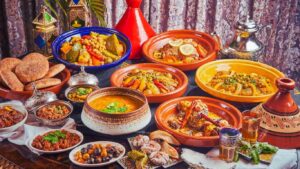
The result is a cuisine that is incredibly rich, varied, and unique. Few culinary traditions in the world can claim such a balanced blend of sweet and savory, of fruit and meat, or of spice and subtlety. Every meal is a reminder of Morocco’s multicultural heritage.
Iconic Dishes in Moroccan Cuisine
1. Couscous: The Staple Dish
Couscous is often considered the national dish of Morocco. Traditionally served on Fridays, couscous is made of tiny steamed semolina grains topped with vegetables such as carrots, zucchini, pumpkin, and chickpeas, often accompanied by tender lamb, beef, or chicken. It is served in a communal dish, emphasizing Morocco’s family-oriented dining culture.
2. Tagine: The Heart of Moroccan Cooking
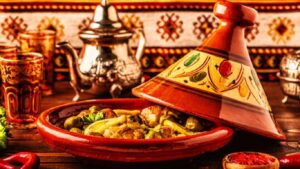 No discussion of Moroccan cuisine would be complete without mentioning the tagine. This slow-cooked stew is named after the conical clay pot in which it is prepared. Tagines can vary greatly: lamb with prunes and almonds for a sweet-savory blend, chicken with preserved lemon and green olives for a tangy taste, or vegetable tagines for a lighter option. The slow cooking allows the spices to infuse deeply, creating an aromatic experience that lingers long after the meal.
3. Pastilla: A Sweet and Savory Surprise
Pastilla (sometimes called bastilla) is one of the most unique dishes in Moroccan cuisine. Traditionally made with pigeon (though chicken is common today), it combines meat with layers of thin pastry, almonds, cinnamon, and powdered sugar. The surprising combination of sweet and savory captures the adventurous spirit of Moroccan gastronomy.
4. Harira: The Beloved Soup
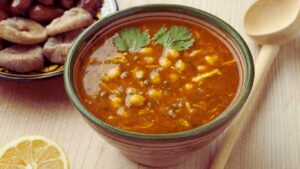
Harira is a hearty soup made with tomatoes, lentils, chickpeas, and often small pieces of meat. It is particularly famous during Ramadan when it is eaten to break the fast. The dish reflects the Moroccan way of combining nourishment with comfort, offering both warmth and balance.
5. Moroccan Street Food
Exploring Moroccan cuisine is not limited to restaurants and homes; the streets are filled with unforgettable flavors. From grilled brochettes (meat skewers) to msemen (layered flatbread), from snail soup served in souks to fresh orange juice squeezed before your eyes, Morocco’s street food culture is vibrant, affordable, and packed with local authenticity.
The Role of Spices in Moroccan Cuisine
Spices are the backbone of Moroccan cuisine. They are not used in overwhelming amounts but in carefully balanced proportions that bring depth and complexity to each dish. Some of the most common spices include:
-
Cumin: earthy and slightly smoky, often used in meat and vegetable dishes.
-
Cinnamon: adds sweetness and warmth, especially in tagines and pastries.
-
Turmeric: provides color and mild flavor, frequently used in stews.
-
Saffron: the precious spice grown in regions like Taliouine, adding luxury to rice and couscous.
-
Ras el Hanout: a famous Moroccan spice blend made from up to 30 ingredients, including cardamom, nutmeg, and ginger.
Walking through a spice market in Marrakech or Fez is a sensory adventure. The vibrant colors and intoxicating aromas tell the story of Morocco’s long history as a hub of trade and cultural exchange.
Moroccan Tea Culture
Beyond solid food, Morocco is equally famous for its tea. Known as “Moroccan mint tea” or simply “atay,” it is a symbol of hospitality. Prepared with Chinese green tea, fresh mint leaves, and plenty of sugar, it is poured from a height to create froth at the top of the glass. In Moroccan homes, offering tea to a guest is a gesture of respect and friendship.
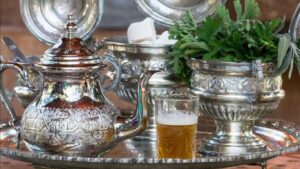
Tea is more than a beverage; it is a ritual that punctuates social life. Whether in a desert camp under the stars or in a family’s living room, tea is always present, connecting people and enhancing the dining experience.
Dining Traditions in Moroccan Cuisine
Meals in Morocco are as much about social interaction as they are about food. Sharing is central. Large communal dishes are placed in the center of the table, and everyone eats from the same plate using bread as a utensil. The right hand is traditionally used for eating, and guests are often encouraged to eat more as a sign of the host’s generosity.
Hospitality is deeply ingrained in Moroccan culture, and food is its clearest expression. Visitors may find themselves invited into a local family’s home, where they will experience not only delicious Moroccan cuisine but also warmth, laughter, and storytelling.
Regional Varieties in Moroccan Cuisine
Morocco’s geography—ranging from the Atlantic coast to the Atlas Mountains and the Sahara Desert—gives rise to regional variations in cuisine.
-
Coastal regions emphasize fresh fish and seafood, often grilled or incorporated into tagines.
-
Mountain areas feature heartier dishes with lamb, goat, and barley.
-
The Sahara and desert regions rely on preserved foods like dates, dried meats, and flatbreads baked in traditional clay ovens.
-
Fez is considered the culinary capital, with refined recipes and historical influences from Andalusian and Jewish communities.
Each region adds a unique twist, making Moroccan cuisine diverse and ever-evolving.
Moroccan Cuisine and Tourism
For many travelers, food is one of the main reasons to visit Morocco. Culinary tours have become increasingly popular, where visitors can explore spice markets, take part in cooking classes, and dine in riads (traditional Moroccan houses). Street food tours in Marrakech, food-focused excursions to Essaouira’s fishing port, or learning to prepare couscous with local families are unforgettable experiences.
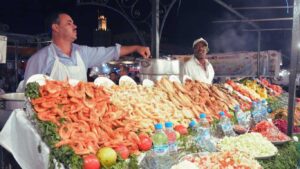
Food is also a bridge between cultures. Tourists often find that through Moroccan cuisine they gain a deeper understanding of the country’s traditions, values, and way of life. Eating together, sharing tea, and savoring dishes slowly cooked with love provide an authentic connection to Morocco’s people.
The Modern Side of Moroccan Cuisine
While tradition remains strong, Moroccan cuisine is also adapting to modern trends. Innovative chefs in Marrakech, Casablanca, and Rabat are reinventing classic dishes with contemporary techniques, creating fusion recipes that appeal to global palates while honoring Morocco’s culinary roots. Moroccan restaurants abroad also spread these flavors worldwide, allowing travelers to relive their Moroccan experiences at home.
Conclusion: More Than Food, A Cultural Experience
Moroccan cuisine is not simply about eating; it is about community, hospitality, history, and identity. From the humble street stalls to elegant feasts in palaces, from couscous and tagines to mint tea ceremonies, every aspect of Moroccan gastronomy reflects the soul of the nation.
To visit Morocco is to step into a land where food tells stories, where every bite carries centuries of influence, and where every meal is a celebration. For those who wish to discover the true essence of the country, exploring Moroccan cuisine is not just an option—it is an absolute must.