
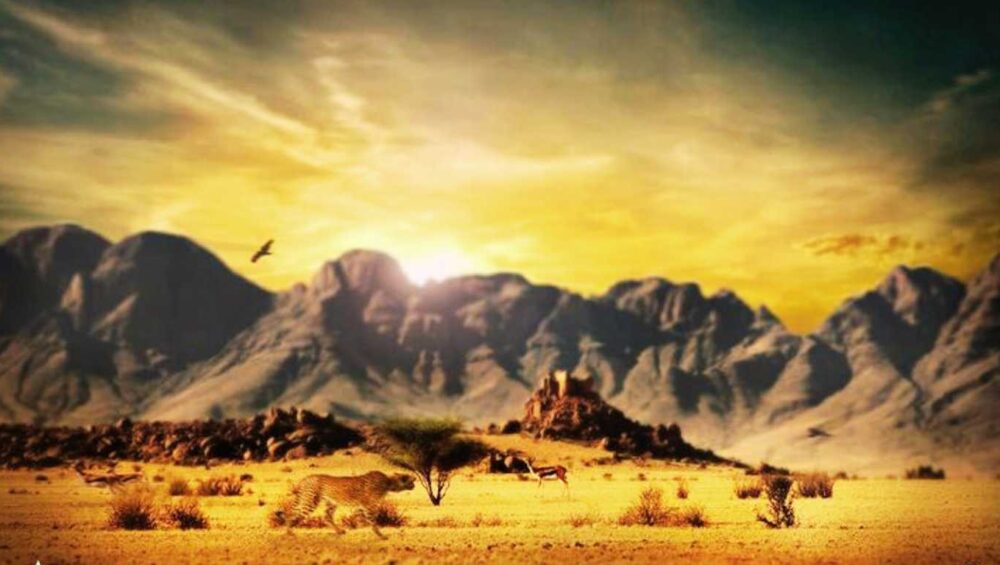
When people think of deserts, they often imagine endless stretches of barren sand dunes under a scorching sun, with little to no life surviving in such an unforgiving environment. Yet, nothing could be further from the truth. The wildlife of the desert tells a different story—one of resilience, adaptation, and incredible biodiversity. From the vast Sahara to the Sonoran and Arabian deserts, these seemingly empty landscapes are home to a rich variety of creatures that have mastered the art of survival.
The Surprising Richness of the Wildlife of the Desert
Deserts cover nearly one-third of the Earth’s land surface, stretching across Africa, Asia, the Americas, and Australia. Despite extreme conditions of heat, cold, and scarce water, the wildlife of the desert is astonishingly diverse. Animals, birds, reptiles, and insects here have evolved unique adaptations, enabling them to thrive where most other species cannot.
For travelers and nature enthusiasts, exploring the wildlife of the desert is an awe-inspiring experience. Each encounter reveals the beauty of survival in one of Earth’s harshest climates. From nocturnal hunters to water-storing mammals, every creature tells a fascinating story.
Iconic Mammals of the Desert
Among the most famous representatives of the wildlife of the desert are mammals that have evolved to withstand arid conditions. The dromedary camel, often called the “ship of the desert,” is perhaps the most iconic. With its ability to go for days without water, store fat in its hump, and withstand blistering heat, it has been a faithful companion to desert dwellers for centuries.
Other mammals include the fennec fox, with its oversized ears that dissipate heat and allow it to hear prey underground, and the addax antelope, a critically endangered species found in the Sahara, known for its spiral horns and incredible ability to survive without direct water intake. Rodents such as the kangaroo rat in North America also play a crucial role in the wildlife of the desert, storing seeds and creating burrows that provide shelter from predators and heat.
Reptiles: Masters of Survival
Reptiles make up a large portion of the wildlife of the desert due to their cold-blooded physiology, which allows them to adapt efficiently to the extreme temperature fluctuations. Desert lizards, such as the spiny-tailed agama and the thorny devil, are experts in camouflage and water conservation.
Snakes like the sidewinder rattlesnake in the Mojave Desert or the horned viper in the Sahara have evolved sideways movements that minimize contact with the hot sand. Their venom and hunting strategies place them at the top of the desert food chain. Observing these reptiles in their natural habitat offers a thrilling glimpse into the adaptability of the wildlife of the desert.
Birds of the Desert Skies
Contrary to expectations, deserts are home to an impressive variety of birdlife. Falcons, eagles, and owls dominate the skies, hunting rodents, reptiles, and insects. Migratory birds also use desert oases as resting points on their long journeys.
One of the most fascinating examples of the wildlife of the desert is the sandgrouse. These birds can fly long distances in search of water, and males soak their chest feathers in it to carry hydration back to their chicks. This remarkable adaptation is a testament to the creativity of evolution in the desert environment.
Insects: The Small but Vital Desert Inhabitants
Insects form the foundation of the wildlife of the desert food chain. Beetles, ants, and locusts are abundant and provide essential nutrition for birds, reptiles, and mammals. The Namib Desert beetle, for instance, has a unique shell structure that allows it to harvest moisture from morning fog—an ingenious survival mechanism in a place with almost no rainfall.
Scorpions, often feared, are another crucial component of the wildlife of the desert. Despite their intimidating appearance, most species are harmless to humans and play a vital ecological role in controlling insect populations.
Plant Life That Sustains the Wildlife of the Desert
While the article focuses on animals, it is important to highlight the plants that support the wildlife of the desert. Cacti, acacias, and date palms provide food, shade, and shelter. The saguaro cactus in the Sonoran Desert can live for over 200 years, serving as a nesting ground for birds and a water source for animals. In the Sahara, hardy shrubs and grasses sustain herbivores, which in turn sustain predators.
Without this vegetation, the entire network of the wildlife of the desert would collapse. These plants are silent heroes of the desert ecosystem, making life possible in a seemingly lifeless environment.
Cultural Connections with the Wildlife of the Desert
Human communities living in desert regions have long depended on the wildlife of the desert for survival. Nomadic tribes such as the Tuareg in the Sahara or the Bedouins in the Arabian Desert rely on camels for transport, food, and trade. Folklore, poetry, and art in desert cultures often celebrate the resilience of animals like foxes, gazelles, and falcons.
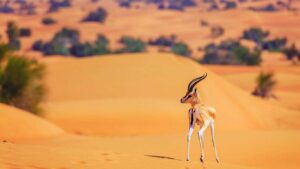
For travelers, exploring these human-animal connections adds a cultural depth to the experience of witnessing the wildlife of the desert firsthand. Desert safaris, eco-tours, and guided expeditions often include insights into how traditional societies coexist with and protect the delicate balance of desert ecosystems.
Best Destinations to Experience the Wildlife of the Desert
If you are planning to immerse yourself in the beauty of the wildlife of the desert, several destinations stand out:
-
The Sahara Desert (North Africa): Home to addax antelopes, Barbary sheep, and desert foxes.
-
The Sonoran Desert (USA & Mexico): Known for its saguaro cactus, roadrunners, and Gila monsters.
-
The Arabian Desert: Rich in oryx, sand cats, and falcons.
-
The Namib Desert (Namibia): Famous for its fog-harvesting beetles and desert elephants.
-
The Thar Desert (India & Pakistan): Populated by desert hares, blackbucks, and migratory birds.
Each desert offers a unique glimpse into the wildlife of the desert, making them ideal destinations for adventurous travelers and nature enthusiasts.
Conservation of the Wildlife of the Desert
Unfortunately, the wildlife of the desert faces increasing threats from climate change, poaching, and human expansion. Many species, such as the addax and the Arabian oryx, are endangered due to hunting and habitat destruction.

Conservation initiatives are essential to preserving the fragile ecosystems of the desert. Protected areas, wildlife reserves, and eco-tourism projects play a vital role in ensuring that future generations can continue to marvel at the wildlife of the desert.
Travelers can contribute by choosing responsible tour operators, avoiding activities that harm natural habitats, and supporting local conservation programs.
Conclusion: Embracing the Beauty of the Desert
Far from being empty wastelands, deserts are vibrant ecosystems where life flourishes against all odds. The wildlife of the desert is a testament to the resilience of nature, offering endless lessons in survival, adaptation, and harmony with the environment.
For travelers seeking adventure, education, and inspiration, few experiences rival the thrill of observing animals in such a raw and untamed setting. Whether you find yourself watching a falcon soar over the dunes, spotting a fox under the moonlight, or marveling at a beetle collecting dew, each moment spent with the wildlife of the desert is unforgettable.