Rising majestically in Morocco’s High Atlas range, Toubkal Mountain is the highest peak in North Africa, standing at an impressive 4,167 meters above sea level. Its snow-capped summit and dramatic slopes attract adventurers, trekkers, and nature lovers from all over the world. A visit to Toubkal Mountain is not just a trek; it is an immersive journey through spectacular landscapes, traditional Berber culture, and the rugged beauty of Morocco’s mountains.
The Gateway to Toubkal Mountain: Imlil Village
The journey to Toubkal Mountain usually begins in Imlil, a quaint Berber village located about 60 kilometers south of Marrakech. Perched at an elevation of 1,800 meters, Imlil is considered the starting point for most treks into the High Atlas. Its location in the scenic Toubkal Valley offers panoramic views of surrounding peaks and makes it an ideal base for acclimatizing before ascending the mountain.
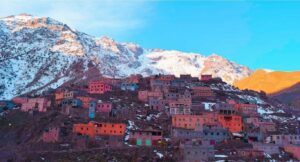
Visitors approaching Imlil from Marrakech will witness a dramatic transformation in scenery. The dusty plains of Marrakech give way to lush, green valleys dotted with terraced farms, walnut orchards, and traditional Berber homes. The winding mountain roads provide ever-changing vistas, with Toubkal Mountain always looming in the distance as a majestic sentinel over the valley.
Trekking Toubkal Mountain: An Unforgettable Adventure
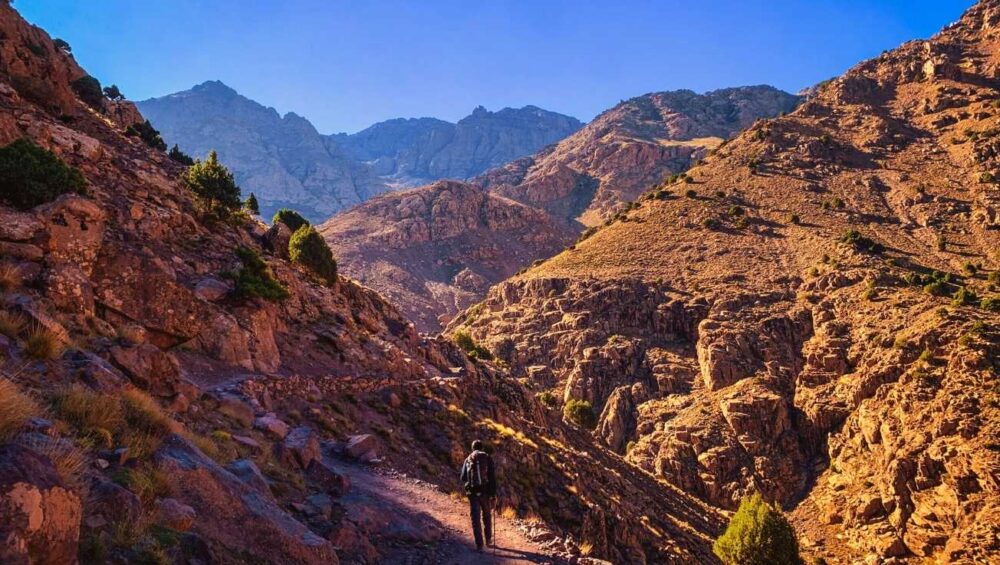
Ascending Toubkal Mountain is a rewarding challenge suitable for fit and prepared trekkers. The journey typically starts in Imlil, following well-marked paths that pass through serene valleys, rocky ridges, and alpine meadows. Along the way, trekkers encounter picturesque Berber villages and traditional kasbahs, providing a glimpse into the rich cultural heritage of the region.
Most treks to the summit are two- to three-day adventures, including an overnight stay at a mountain refuge situated at approximately 3,200 meters. This refuge offers basic accommodations, meals, and a warm atmosphere for hikers to rest before attempting the final ascent. The climb itself is physically demanding, but reaching the summit of Toubkal Mountain offers breathtaking rewards: sweeping panoramas of the High Atlas, distant desert landscapes, and the thrill of standing atop the highest peak in North Africa.
For those not ready for the full summit, day hikes around the lower slopes of Toubkal Mountain offer equally stunning scenery. Guided excursions allow visitors to explore verdant valleys, cascading streams, and the traditional lifestyles of local Berber communities.
Seasonal Experiences on Toubkal Mountain
Toubkal Mountain offers unique experiences in every season. Summers bring warm weather and clear trails, perfect for trekking and photography. Spring showcases wildflowers in bloom, creating a colorful tapestry across the mountainsides. Autumn offers crisp air and clear skies, ideal for longer hikes. In winter, Toubkal Mountain is transformed into a snow-covered wonderland, attracting ski tourers and experienced climbers seeking adventure in a serene, snowy landscape.
No matter the season, proper preparation and awareness of mountain conditions are essential. Hiring a local guide ensures safety, provides cultural insights, and enhances the trekking experience.
Cultural Insights in the High Atlas
Exploring Toubkal Mountain is as much about cultural immersion as it is about adventure. The villages surrounding the mountain offer insight into traditional Berber life. Visitors can witness terraced farming, taste local cuisine, and experience handcrafted goods. Local guides share stories of their communities, history, and the cultural significance of the mountain, making the journey both educational and meaningful.
Tourism in the area also supports community projects in Imlil, such as village cleanups, community hammams, and emergency medical transport. These initiatives ensure that tourism benefits local residents and preserves the environment around Toubkal Mountain.
Accommodation and Culinary Delights
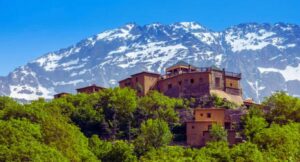
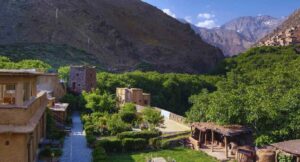
Imlil offers a range of accommodations catering to all budgets. Cozy riads, guesthouses, and mountain lodges provide comfortable lodging, often with spectacular views of Toubkal Mountain. Riad Atlas Panorama, for example, is perched at a high point in the village, offering panoramic vistas and traditional Moroccan hospitality. Kasbah du Toubkal provides a blend of rustic charm and modern comfort, making it a popular choice for trekkers.
Dining in Imlil is a delight. Traditional Berber cuisine is served in many restaurants and riads, with dishes like lamb tagine with prunes, couscous, and freshly baked bread. Rooftop terraces offer sweeping views of Toubkal Mountain, allowing visitors to enjoy the scenery alongside flavorful Moroccan dishes.
Practical Tips for Visiting Toubkal Mountain
-
Starting Point: Begin your trek in Imlil, the central hub for all expeditions to Toubkal Mountain.
-
Guided Treks: Hiring a local guide enhances safety and provides cultural context.
-
Gear: Good hiking boots, layered clothing, trekking poles, and sufficient water are essential.
-
Transportation: Imlil is accessible from Marrakech via taxi, shared minibus, or private vehicle.
-
Respect Local Culture: Dress modestly in villages, ask permission before photographing locals, and support local businesses.
Photography and Nature
Toubkal Mountain is a photographer’s paradise. Sunrise and sunset cast dramatic shadows over its slopes, creating vivid landscapes. The surrounding valleys, streams, and alpine flora provide endless opportunities for nature photography. Birdwatchers and wildlife enthusiasts will also enjoy spotting endemic species and observing mountain ecosystems in their natural habitat.
Adventure Beyond the Summit
The region around Toubkal Mountain offers more than just climbing. Trekking through nearby valleys, mountain biking, horseback riding, and exploring hidden Berber villages all provide alternative ways to experience the High Atlas. These activities allow travelers to explore at their own pace while enjoying the natural beauty and cultural richness of the region.
Safety and Preparation
While Toubkal Mountain is accessible to many, safety is crucial. Weather conditions can change rapidly, and some trails are steep and rocky. Adequate preparation, acclimatization, and local guidance are key to a successful trek. For those venturing to the summit, knowing your limits, pacing yourself, and staying hydrated are vital for a safe experience.
Conclusion
Toubkal Mountain is more than just a peak—it is a symbol of Morocco’s natural grandeur and cultural depth. From the serene village of Imlil to the challenging ascent to its summit, every step offers unforgettable experiences, stunning scenery, and rich cultural encounters. Whether you aim to conquer the highest point in North Africa or enjoy peaceful hikes in the surrounding valleys, a journey to Toubkal Mountain promises adventure, inspiration, and memories that will last a lifetime.
Embarking on a trek to Toubkal Mountain is an invitation to explore the majestic High Atlas, embrace Berber hospitality, and immerse yourself in Morocco’s timeless landscapes. For travelers seeking a combination of adventure, culture, and breathtaking natural beauty, Toubkal Mountain is an unmissable destination.