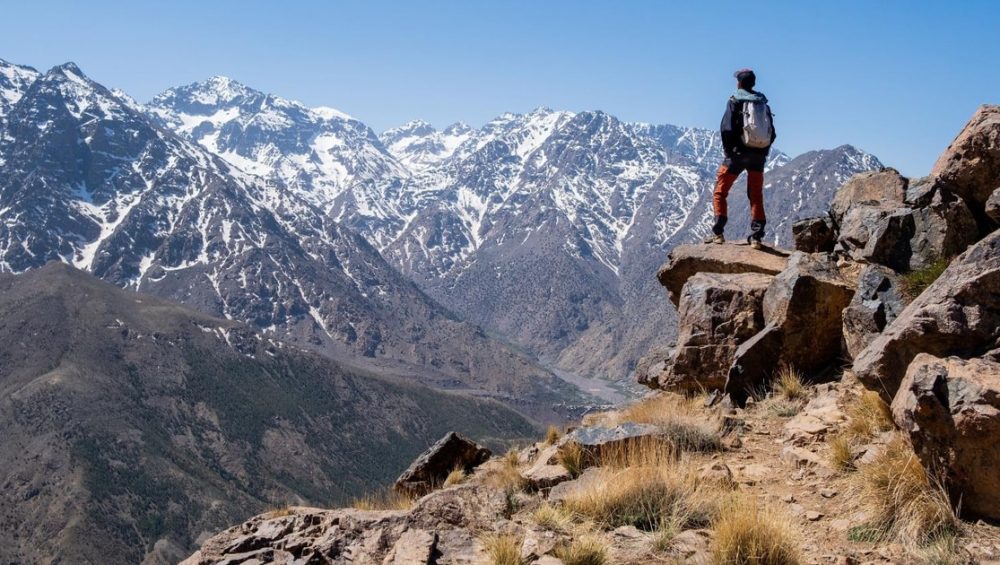
Planning an atlas mountains trek often starts with one simple question: How many days should I go for?
Some travelers want a quick summit experience. Others are looking for something slower — a few days walking through valleys, staying in small villages, and really settling into the rhythm of the mountains. And the nice thing is, the Atlas actually works for both.
What makes atlas mountains hiking different isn’t only the scenery. Yes, the landscapes are dramatic. But it’s the experience along the way — crossing high passes, walking between Berber villages, stopping for tea, and gradually leaving city life behind.
If you’re planning your trek from Marrakech, organizing your journey with MT Toubkal Trek helps ensure experienced local guides, proper acclimatization, and a smooth experience from start to finish.
Why Choose an Atlas Mountains Trek?
There are many trekking destinations around the world, but an Atlas Mountains trek offers a unique combination of accessibility and authenticity.
Here’s why many travelers choose the High Atlas:
Only 1.5–2 hours from Marrakech
No technical climbing required (in most seasons)
A wide range of routes from 2 to 7 days
Comfortable guesthouses and mountain refuges
Strong cultural experience with Amazigh (Berber) communities
Many trekkers choose to arrange their route through MT Toubkal Trek, which provides licensed mountain guides, mule support, and customized itineraries based on your fitness level and travel time.
How to Choose the Right Atlas Trek Duration
A simple guideline:
2–3 days – Mount Toubkal summit or short valley trek
4–5 days – Valley circuits and mountain passes
6–7 days – Full High Atlas experience
If you’re unsure, a 3–4 day trek is often the best balance between challenge and enjoyment.
7 Best Atlas Mountains Trek Routes (2–7 Days)
1. 2-Day Mount Toubkal Trek
Duration: 2 days
Difficulty: Moderate to challenging
Day 1
Drive to Imlil and trek to the Toubkal Refuge (5–6 hours)
Day 2
Early summit attempt (Mount Toubkal, 4,167 m) and descent back to Imlil
This is the shortest atlas trek itinerary, but altitude makes it physically demanding.
2. 3-Day Mount Toubkal Trek (Most Popular)
This is the classic option for first-time visitors.
Day 1: Imlil to Refuge
Day 2: Summit and overnight at the Refuge
Day 3: Descent to Imlil
The extra day allows better acclimatization and makes the experience more enjoyable.
3. 3-Day Azzaden Valley Trek
If you prefer scenery over summits, this is one of the most beautiful Atlas Mountains hiking routes.
Highlights:
Terraced farmland
Quiet villages
High mountain passes
Traditional guesthouse stays
It’s also less crowded than the main Toubkal route.
4. 4-Day Toubkal & Azzaden Circuit
This route combines the best of both worlds.
Typical route:
Imlil → Azzaden Valley
Cross Tizi n’Mzik Pass
Join the Toubkal trail
Summit attempt
Return to Imlil
A well-balanced atlas trek itinerary for travelers who want both landscapes and a summit.
5. 5-Day High Atlas Village Trek
Perfect for travelers interested in culture and landscapes rather than altitude.
Expect:
5–7 hours of walking daily
Overnight stays in local homes or guesthouses
Moderate elevation changes
Deep cultural interaction
This is one of the most rewarding options for relaxed trekking through High Atlas Berber villages.
6. 6-Day Toubkal Circuit
For those who want a deeper mountain experience.
Highlights:
Remote valleys
High passes
Fewer tourists
Diverse landscapes
This route circles the Toubkal massif and offers a more complete High Atlas journey.
7. 7-Day M’Goun Massif Trek
This is a more remote and adventurous option.
Expect:
Long trekking days
River crossings
Wild landscapes
Limited facilities
For experienced hikers, this is one of the best long-distance atlas mountains trek experiences in Morocco, especially if you are interested in the M’Goun trekking region.
Best Time for Atlas Mountains Hiking
Spring (March–May)
Green valleys and comfortable temperatures
Summer (June–August)
Warm in lower areas, but pleasant at higher elevations
Autumn (September–November)
Clear skies and stable weather
Winter (December–February)
Snow above 3,000 meters — requires winter gear and experienced guides
Spring and autumn are generally the best seasons. For seasonal planning, see the best time to travel in Morocco.
What’s Included in a Typical Atlas Trek
Most organized treks include:
Licensed mountain guide
Mule support for luggage
Accommodation in refuges or guesthouses
Meals during the trek
Transfers from Marrakech
Booking through MT Toubkal Trek makes the logistics much easier, especially if it’s your first time trekking in Morocco.
What to Pack
Essential items:
Hiking boots
Warm layers (even in summer)
Waterproof jacket
Hat and gloves
Sunglasses and sunscreen
Daypack
Temperatures can drop quickly at higher elevations, especially at night.
Cultural Experience Along the Trail
One of the highlights of an Atlas Mountains trek is the connection with local life.
You’ll pass:
Stone-built villages
Terrace farms
Shepherds and mule caravans
Traditional Amazigh homes
Many trekkers say this cultural element is what makes the experience feel authentic rather than just another mountain hike. You can explore more about this side of the journey in High Atlas Berber Villages of Morocco.
FAQ
How many days do you need for an Atlas Mountains trek?
2–3 days for Mount Toubkal, or up to 7 days for longer routes.
Is Mount Toubkal difficult?
It’s physically demanding due to altitude, but does not require technical climbing in summer. You can also read The Best Guide to Mount Toubkal Trek for more details.
Do you need a guide?
Yes, guides are required for Toubkal and recommended for all multi-day treks.
What is the best month for trekking?
April–May and September–October offer the best conditions.
Key Takeaways
An Atlas Mountains trek can be planned for 2 to 7 days, depending on your goals.
The 3-day Mount Toubkal trek is the most popular option.
Azzaden Valley and village routes offer scenic alternatives without extreme altitude.
Longer treks like the Toubkal Circuit and M’Goun provide deeper mountain experiences.
Spring and autumn offer the best weather conditions.
Most treks involve 5–7 hours of walking per day and moderate fitness levels.
Planning your trip with MT Toubkal Trek ensures professional guidance, safety, and organized logistics.
Conclusion
The beauty of an Atlas Mountains trek is its flexibility. Some travelers come for a quick summit, while others spend a week exploring valleys where life hasn’t changed much for generations.
The experience tends to slow you down — in the best way. The landscapes are dramatic, the villages welcoming, and the pace of the mountains feels completely different from the cities below.
If you’re looking for a trekking experience that combines adventure, culture, and reliable local support, organizing your journey with MT Toubkal Trek helps turn the High Atlas into a safe, well-planned, and truly memorable experience.