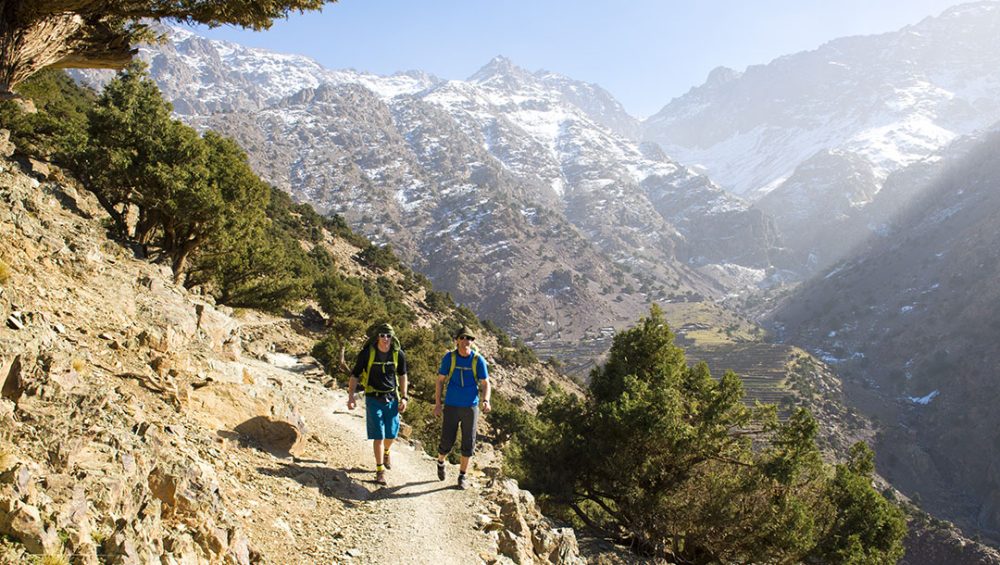
Most travelers think of deserts when Morocco comes to mind — the Sahara, camel rides, and endless dunes. But once you begin planning your journey, another landscape quickly stands out: the Atlas Mountains of Morocco.
Stretching across North Africa, the Atlas range forms the natural backbone of the country. Within just two hours of leaving Marrakech, the scenery transforms completely. Busy streets give way to winding mountain roads, deep valleys, traditional villages, and snow-capped peaks.
If you’re planning an organized trekking experience, exploring the region with a professional local team like Moroccan Travel Agency Based in Imlil ensures smoother logistics and a safer mountain adventure.
Atlas Mountains Quick Facts
Here are essential atlas mountains facts:
-
Length: Over 2,500 km
-
Countries: Morocco, Algeria, Tunisia
-
Highest peak: Mount Toubkal (4,167 meters)
-
Main trekking region: High Atlas Mountains
-
Closest major city: Marrakech
-
Local people: Amazigh (Berber) communities
-
Best seasons: Spring and autumn
One surprising detail is how quickly the landscape changes. You can leave Marrakech in the morning and be hiking in a quiet valley by midday.
Atlas Mountains Countries
The Atlas Mountains stretch across:
-
Morocco
-
Algeria
-
Tunisia
However, Morocco offers the best trekking infrastructure. The High Atlas region near Marrakech has established trails, licensed mountain guides, and traditional guesthouses.
Most trekking itineraries operate from Imlil, the gateway village to the High Atlas. You can learn more about this area here:
👉 Imlil Village Guide
Understanding the Atlas Mountain System
The Atlas range is divided into three sections:
High Atlas Mountains
-
Highest peaks in North Africa
-
Home to Mount Toubkal
-
Primary trekking destination
-
Explore more: High Atlas Mountains Trekking Paradise
Middle Atlas
-
Forested hills
-
Lakes and cooler climate
Anti-Atlas
-
Lower elevation
-
Dry and rugged terrain
When travelers refer to trekking in the Atlas Mountains, they usually mean the High Atlas region.
The High Atlas Mountains: Morocco’s Trekking Heart
The High Atlas Mountains offer some of the most rewarding trekking in North Africa.
Expect:
-
Peaks above 4,000 meters
-
Deep valleys and mountain passes
-
Remote Berber villages
-
Multi-day trekking routes
Popular guided options include:
👉 Trekking in Morocco
👉 Best Places for Morocco Trekking
What makes this region unique is that it’s not just scenic — it’s lived in. Farming terraces, stone homes, and centuries-old traditions shape daily life here.
Mount Toubkal: The Highest Peak in North Africa
At 4,167 meters, Mount Toubkal is the crown of the Atlas Mountains.
Detailed route guide:
👉 Complete Guide to Toubkal Trek
👉 Mount Toubkal 2 Day Trek
Why Trekkers Choose Toubkal
-
Highest peak in North Africa
-
Non-technical climb (summer season)
-
Achievable in 2–3 days
-
Panoramic summit views
Altitude is the biggest challenge. Above 3,000 meters, thinner air requires slower pacing.
Best Trekking Routes in the Atlas Mountains
The Atlas region offers options for all experience levels:
Imlil Valley (Beginner)
Village walks and easy trails
👉 Journey to Atlas Mountains Imlil
Azzaden Valley (Moderate)
Terraced fields and scenic passes
Toubkal Circuit (Advanced)
Longer, quieter routes
M’Goun Region
Remote wilderness experience
👉 M’Goun Trek Guide
Best Time to Visit the Atlas Mountains
Spring (March–May)
Green valleys and wildflowers
Summer (June–August)
Warm in lower areas, cooler at altitude
Autumn (September–November)
Clear skies and ideal trekking weather
Winter (December–February)
Snow in the High Atlas — requires proper gear
👉 Seasonal planning help: Best Time to Travel in Morocco
Trekking Difficulty and Fitness
Expect:
-
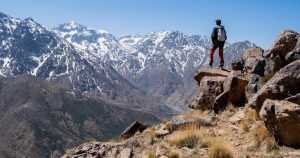
5–7 hours walking daily
-
Rocky terrain
-
Steady elevation gain
You don’t need elite fitness, but preparation helps. For beginners, shorter guided programs like
👉 Mount Toubkal Day Trek
can be a great starting point.
What to Pack for Atlas Mountains Trekking
Essential gear:
-
Hiking boots
-
Warm layers
-
Waterproof jacket
-
Sun protection
-
Hat and gloves
-
Daypack
If booking a multi-day program, mule support is often included, reducing backpack weight.
Culture and Life in the Atlas Mountains
A major highlight of visiting the Atlas Mountains is Amazigh culture.
You’ll experience:
-
Traditional stone houses
-
Farming terraces
-
Local hospitality
-
Fresh mountain meals
Many trekkers combine mountain experiences with cultural visits in Marrakech.
👉 Things to Do in Marrakech
Safety in the Atlas Mountains
The region is generally safe.
Best practices:
-
Trek with certified guides
-
Monitor weather conditions
-
Stay hydrated
-
Acclimatize properly
Professional local operators improve safety and logistics significantly.
Getting There
Most trips begin in Marrakech.
Route:
Marrakech → Imlil (1.5–2 hours)
You can also explore:
👉 Day Trips from Marrakech
FAQ
Where are the Atlas Mountains located?
Across Morocco, Algeria, and Tunisia.
Are they safe for tourists?
Yes, especially with licensed local guides.
How difficult is Mount Toubkal?
Physically demanding due to altitude but technically straightforward in summer.
Best time to visit?
Spring and autumn offer ideal trekking conditions.
Key Takeaways
-
The Atlas Mountains span three countries
-
The High Atlas is Morocco’s main trekking region
-
Mount Toubkal is North Africa’s highest peak
-
Spring and autumn are ideal seasons
-
Guided treks improve safety and comfort
-
Berber culture enriches the journey
Conclusion
The Atlas Mountains are not a polished tourist attraction. Trails can be steep, weather changes quickly, and the experience feels raw rather than curated.
But that authenticity is exactly what makes it powerful.
If you’re seeking dramatic landscapes, real mountain culture, and a meaningful trekking experience, the High Atlas Mountains deliver something unforgettable.
When you’re ready to organize your journey, choosing a professional local trekking team ensures your adventure is safe, structured, and truly memorable.