The Atlas Mountain range stretches majestically across Morocco, creating one of the most beautiful and diverse natural landscapes in North Africa. This dramatic chain of peaks and valleys separates the Mediterranean and Atlantic coastlines from the Sahara Desert, shaping Morocco’s geography, climate, and culture. From snow-capped summits to green valleys and Berber villages, the Atlas Mountain offers an unforgettable experience for nature lovers, hikers, and those seeking authentic Moroccan adventure.
The Geography of the Atlas Mountain
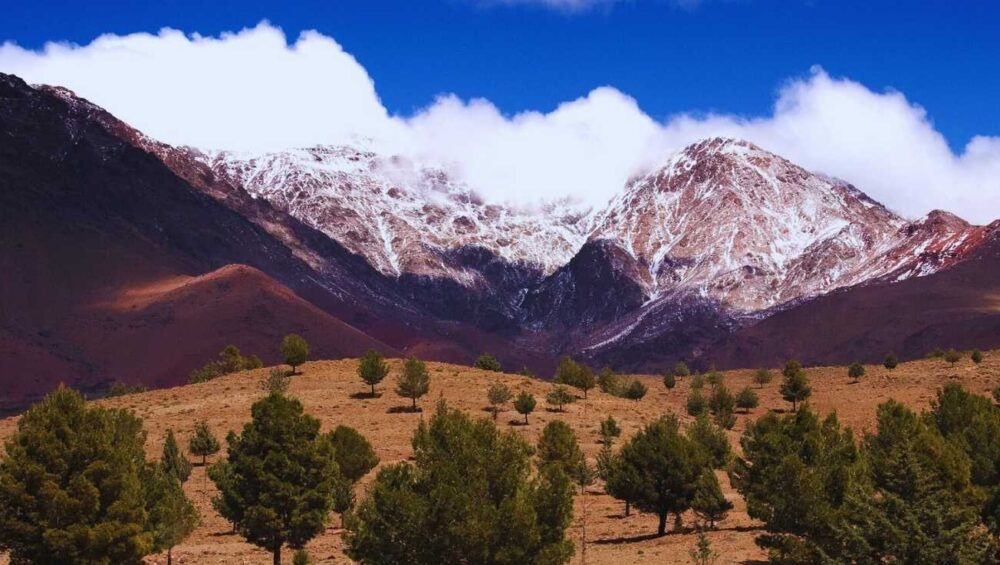
The Atlas Mountain system is divided into three main ranges: the High Atlas, the Middle Atlas, and the Anti-Atlas. Each offers unique landscapes and activities. The High Atlas, often called the “Roof of North Africa,” contains Morocco’s highest peaks, including Mount Toubkal, which rises to 4,167 meters. The Middle Atlas, near Fes and Meknes, is known for its cedar forests and lakes, while the Anti-Atlas in the south reveals desert canyons and ancient kasbahs.
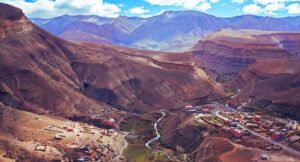
Among all these, the High Atlas stands out as the most spectacular and accessible for trekking, with the village of Imlil serving as the gateway to the Atlas Mountain experience. Just 60 kilometers south of Marrakech, Imlil is nestled in the heart of the Toubkal Valley and is surrounded by terraced fields, walnut groves, and traditional Berber homes.
Imlil: The Gateway to the High Atlas Mountain
At 1,800 meters above sea level, Imlil is a peaceful mountain village that has become the main base for trekking in the Atlas Mountain. The journey from Marrakech to Imlil takes about an hour and a half, passing through stunning scenery that transforms from arid plains to lush, green slopes as you ascend. The road winds through valleys and alongside rivers, offering breathtaking views of the towering peaks ahead.
In Imlil, visitors can immerse themselves in Berber hospitality. The village offers charming riads and guesthouses, such as Riad Atlas Panorama and Kasbah du Toubkal, which provide panoramic views of the surrounding mountains. The atmosphere is serene and authentic, with local families offering traditional Moroccan dishes like tagine, couscous, and mint tea. For travelers looking for tranquility and connection with nature, Imlil is a paradise.
Trekking Adventures in the Atlas Mountain
The Atlas Mountain is one of the best trekking destinations in the world, offering routes for all levels of hikers. From easy day hikes around Imlil to challenging multi-day ascents of Mount Toubkal, the trails reveal breathtaking scenery, ancient villages, and the resilient culture of the Berber people.
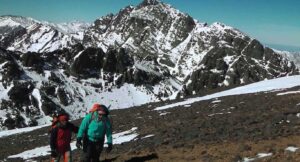 The most famous trek is, of course, the climb to Mount Toubkal, the highest peak in North Africa. Most treks begin in Imlil and pass through the village of Aroumd before reaching the Toubkal base camp at around 3,200 meters. The final ascent to the summit is steep but rewarding. From the top, hikers are treated to panoramic views stretching across the Atlas Mountain range and the Sahara Desert to the south.
For those not seeking to climb Toubkal, there are numerous alternative routes. The valleys of Imenane and Azzaden offer scenic trails through terraced fields, fruit orchards, and mountain passes. The Atlas Mountain also has countless lesser-known paths that can be explored on foot, by mule, or even on a mountain bike.
Experiencing Berber Culture in the Atlas Mountain
The Atlas Mountain is home to Morocco’s Berber (Amazigh) people, who have lived in these mountains for centuries. Their culture, language, and traditions remain deeply connected to the land. Visitors to the Atlas Mountain often stay in Berber villages, where they can experience authentic hospitality, local cuisine, and crafts.
Many trekking tours include visits to traditional Berber homes, where travelers are welcomed with mint tea and homemade bread. The villagers live simple lives, herding animals, farming, and maintaining their ancestral customs. Local cooperatives produce artisanal goods such as carpets, argan oil, and pottery, offering visitors an opportunity to support sustainable tourism.
Things to Do Beyond Trekking
While trekking is the main attraction, the Atlas Mountain offers many other activities. In winter, the region around Oukaimeden becomes a ski destination, with snow-covered slopes and equipment rentals available. Mountain biking is another popular activity, allowing travelers to explore the rugged terrain and remote valleys.
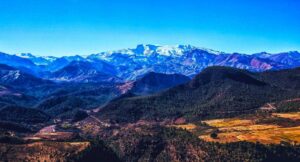
Nature lovers can also enjoy bird watching, photography, and visiting waterfalls and gorges hidden within the Atlas Mountain. The nearby Ouirgane Valley, for example, offers gentle hiking trails and beautiful olive groves. The Ourika Valley, just an hour from Marrakech, is known for its lush gardens and cascading waterfalls—perfect for day trips.
Responsible Tourism and Community Initiatives
Tourism in the Atlas Mountain plays an important role in supporting local communities. In Imlil, the Imlil Village Association uses funds from tourism to improve infrastructure, manage waste, and support health and education projects. One of their achievements includes purchasing a community ambulance and establishing a public hammam (bathhouse).
Responsible tourism ensures that visitors enjoy the beauty of the Atlas Mountain while helping preserve its environment and culture. Travelers are encouraged to hire local guides, respect the natural surroundings, and stay in eco-friendly accommodations.
Accommodation and Dining in the Atlas Mountain
Accommodation in the Atlas Mountain ranges from luxury lodges to simple Berber guesthouses. Kasbah du Toubkal, perched above Imlil, is one of the most iconic eco-hotels in Morocco, offering spectacular views and sustainable practices. For budget travelers, guesthouses like Chez Les Berbères and Dar Tighoula provide comfortable stays and traditional Moroccan meals.
Dining in the mountains is a delight. Visitors can savor local dishes prepared with fresh ingredients, often grown nearby. The region is famous for its walnuts, apples, and cherries. Many restaurants, such as Atlas Prestige or Auberge Zaratoustra, offer terraces with sweeping views of the valley, where guests can enjoy a warm tagine while watching the sunset over the Atlas Mountain.
Getting There and Around
The Atlas Mountain is easily accessible from Marrakech. The most common route is by taxi or private car via Asni, the last major town before Imlil. Shared “grand taxis” operate daily between Marrakech and Asni for around 35 dirhams, and then smaller taxis continue to Imlil for about 10 dirhams. Travelers can also hire a private vehicle for convenience.
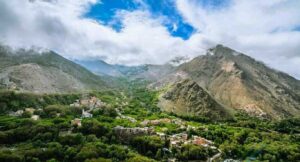
Once in Imlil, most movement is on foot. The village is compact, and trekking routes begin right from its heart. For longer journeys or heavy luggage, mules can be rented for assistance. Local guides are always available and highly recommended for safety and cultural insight.
Best Time to Visit the Atlas Mountain
The Atlas Mountain can be visited year-round, but the best seasons are spring (March to May) and autumn (September to November). During these periods, temperatures are pleasant, and the landscapes are at their most beautiful, with blooming flowers or golden autumn hues. In winter, the peaks are snow-covered, offering a completely different charm and opportunities for skiing or snow trekking.
Conclusion: Why the Atlas Mountain Should Be on Your Bucket List
A journey through the Atlas Mountain is a journey through the soul of Morocco. It’s where rugged natural beauty meets ancient culture, and where travelers can find peace far from the bustle of city life. Whether you’re hiking to the top of Mount Toubkal, exploring Berber villages, or simply sitting on a terrace watching the sunset, the Atlas Mountain offers moments of pure magic.
The mountains whisper stories of resilience, hospitality, and harmony between people and nature. Visiting the Atlas Mountain is not just a trip—it’s an experience that stays with you long after you’ve returned home.