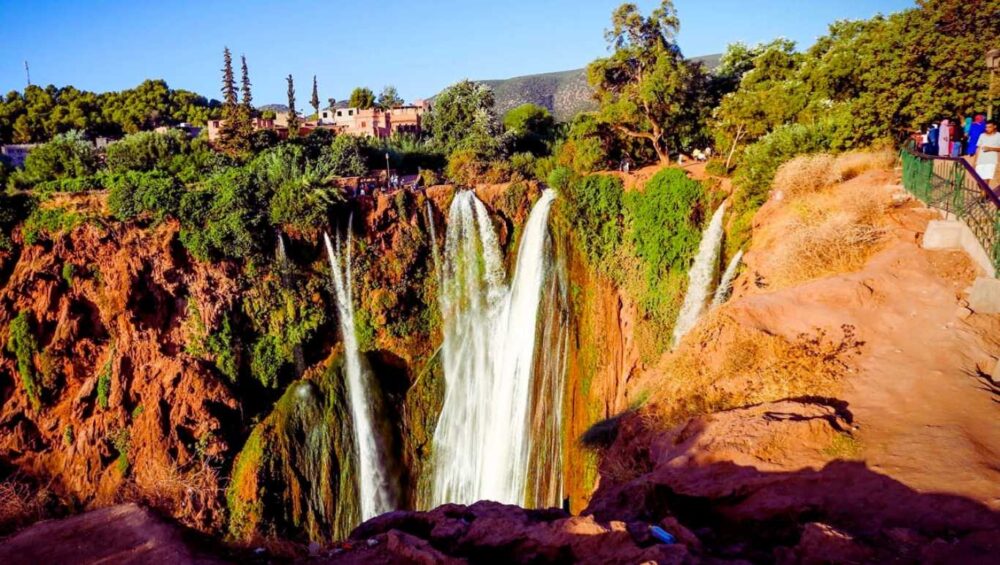
When people think of Morocco, images of bustling souks in Marrakech, the golden dunes of the Sahara, and the blue-painted alleys of Chefchaouen often come to mind. Yet, nestled in the High Atlas Mountains lies one of the country’s most breathtaking natural wonders: Morocco Ouzoud Falls. Towering at about 110 meters (360 feet), these spectacular waterfalls are the highest and most famous in Morocco, drawing visitors from around the globe who seek both adventure and tranquility.
In this article, we will take you through everything you need to know about visiting Morocco Ouzoud Falls: from how to get there, what to expect, local culture, activities, dining, and insider tips to make the most of your trip.
A Natural Wonder of the Atlas Mountains
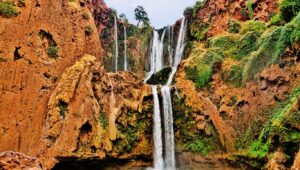
Morocco Ouzoud Falls are located near the village of Tanaghmeilt, about 150 kilometers northeast of Marrakech. The falls cascade dramatically into the El-Abid River gorge, creating a mesmerizing sight as white foamy water plunges against the lush green valley. The name “Ouzoud” comes from the Berber word for “olive,” and it is no coincidence—the surrounding area is filled with olive groves, adding to the serene landscape.
The falls are not just a visual marvel; they also offer a refreshing escape from the heat of Morocco’s cities. Mist from the crashing water creates a cool microclimate, making it a popular summer retreat for locals and international tourists alike.
How to Reach Morocco Ouzoud Falls
The journey to Morocco Ouzoud Falls is part of the adventure. Most travelers begin from Marrakech, which is the closest major city. Here are your options:
-
By Car: Driving to Ouzoud Falls from Marrakech takes around 2.5 to 3 hours. The road is relatively smooth, passing through rolling hills, villages, and farmland. Renting a car allows you to stop along the way for photos and to experience authentic rural Morocco.
-
By Bus or Shared Taxi: Budget travelers can take a bus or shared grand taxi to Azilal, the nearest town, and then arrange for local transport to the falls.
-
Guided Tours: Many visitors opt for organized day trips from Marrakech. These tours often include hotel pick-up, transportation, and a guided hike around the waterfalls. This is the most convenient option if you prefer not to navigate on your own.
Regardless of your choice, the scenic journey is worth it, as the road unveils Morocco’s diverse landscapes.
First Impressions and Views
Upon arrival at Morocco Ouzoud Falls, visitors are immediately struck by the grandeur of the multi-tiered cascades. The view from the top offers an incredible panorama of the rushing water plunging into the gorge, surrounded by rugged cliffs and green vegetation. For photographers, the falls are a dream subject, with rainbows often appearing in the mist during sunny days.
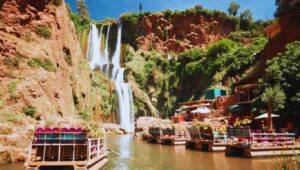
Descending toward the base, you’ll pass through pathways lined with olive trees, small cafes, and stalls where locals sell fresh orange juice or traditional souvenirs. The sound of the water grows louder as you approach, building anticipation until you reach the bottom, where boats and small rafts await to take visitors closer to the roaring cascades.
Activities to Enjoy at Ouzoud Falls
Visiting Morocco Ouzoud Falls is not just about seeing the waterfalls—it’s about experiencing the environment around them. Here are some top activities to try:
1. Hiking Trails
There are several trails around the falls that allow you to explore from different angles. One of the most popular hikes takes you from the top viewpoint down to the base, offering scenic stops along the way. Another path leads up to surrounding hills, where you can admire panoramic views of the falls and the El-Abid River valley.
2. Boat Rides
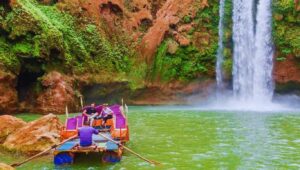
At the base of the falls, local boatmen operate small wooden rafts decorated in bright colors. For a modest fee, you can hop aboard and get astonishingly close to the plunging water. Prepare to get wet, as the spray is strong and exhilarating.
3. Swimming
During warmer months, visitors often take a dip in the natural pools formed at the bottom of the falls. While the water can be chilly, swimming beneath one of Morocco’s most iconic natural wonders is an unforgettable experience.
4. Monkey Watching
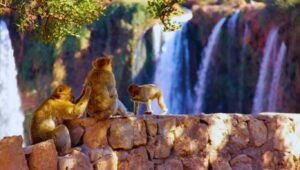
The region around Morocco Ouzoud Falls is home to Barbary macaques, a species of monkey native to North Africa. They are often spotted near the trails, swinging in the trees or approaching tourists for snacks. While they are friendly, it’s best to avoid feeding them, as this disrupts their natural behavior.
5. Sunset Viewing
One of the most magical times to experience the falls is at sunset. The golden light reflects on the water and cliffs, creating a breathtaking scene perfect for photos and quiet contemplation.
Local Culture and Cuisine
A visit to Morocco Ouzoud Falls also offers a chance to engage with local Berber culture. The nearby villages are inhabited by Amazigh (Berber) communities, known for their hospitality and traditional way of life. Many villagers run guesthouses, cafes, and small shops around the falls, giving visitors an authentic glimpse into rural Morocco.
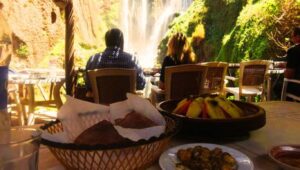
Food is another highlight. After a long hike, you can sit down at a terrace restaurant overlooking the falls and enjoy Moroccan classics like tagine, couscous, or freshly baked bread. Don’t miss trying mint tea, which is served in abundance and pairs perfectly with the serene atmosphere.
When to Visit Morocco Ouzoud Falls
The falls can be visited year-round, but the experience changes with the seasons:
-
Spring (March to May): This is the best time to visit, as the water levels are high from winter rains, and the surrounding greenery is lush.
-
Summer (June to August): Expect more tourists, especially local families seeking relief from the heat. Swimming is most enjoyable during this season.
-
Autumn (September to November): A quieter period with mild weather and fewer crowds.
-
Winter (December to February): The water flow decreases slightly, but the falls remain beautiful. Pack warm clothing, as temperatures can drop in the mountains.
Where to Stay
While many travelers visit Morocco Ouzoud Falls on a day trip, staying overnight is highly recommended to enjoy the tranquility after the crowds leave. Accommodation options range from budget-friendly guesthouses to comfortable eco-lodges. Many of these are family-run and offer stunning views of the waterfalls or surrounding countryside.
Travel Tips for Ouzoud Falls
-
Wear Comfortable Shoes: The terrain involves uneven paths, steep stairs, and some slippery rocks near the base. Good footwear will make your visit more enjoyable.
-
Bring Cash: Many local vendors and cafes do not accept credit cards.
-
Stay Hydrated: While shaded areas exist, hiking in the sun can be exhausting.
-
Respect Nature and Wildlife: Avoid littering and refrain from feeding monkeys to help preserve the natural environment.
-
Plan for a Full Day: Even if you don’t stay overnight, allocate at least a full day to explore the falls and surrounding area.
Why Morocco Ouzoud Falls Should Be on Your Bucket List
Among Morocco’s many attractions, from the Sahara Desert to the imperial cities, Morocco Ouzoud Falls stand out as a unique natural destination. The combination of majestic scenery, outdoor adventure, cultural immersion, and relaxation makes it suitable for all kinds of travelers—families, couples, backpackers, and photographers alike.
Whether you are hiking down to the base, sharing mint tea at a local café, or simply gazing at the cascading water under the golden glow of sunset, the memory of Ouzoud Falls is bound to stay with you long after you leave.
Conclusion
If you’re planning a trip to Morocco, don’t miss the chance to visit Morocco Ouzoud Falls. Just a few hours from Marrakech, this natural paradise offers the perfect mix of adventure, culture, and relaxation. The roaring waterfalls, playful monkeys, traditional Berber hospitality, and the serene beauty of the Atlas Mountains all combine to create an experience that captures the essence of Morocco’s hidden treasures.
Whether you stay for a day or linger for a night under the starry sky, Morocco Ouzoud Falls will leave you inspired and refreshed, proving that Morocco’s wonders go far beyond its cities and deserts.