
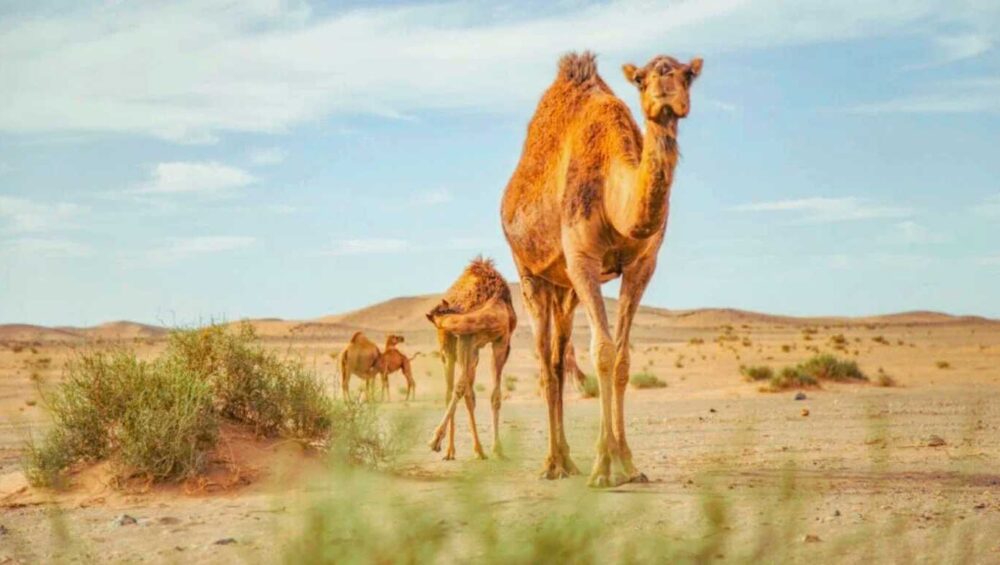
When most people imagine the desert, they think of endless dunes, scorching sun, and silence stretching to the horizon. Yet, beneath this seemingly barren landscape lies a thriving ecosystem filled with fascinating wildlife. Exploring the animals at desert is one of the most rewarding ways to understand how life adapts to extreme conditions. From the Sahara in Morocco to the Arabian Peninsula and even the American Southwest, deserts across the globe are home to resilient creatures that embody survival, endurance, and beauty.
This article takes you on a journey through deserts worldwide, introducing you to the unique animals at desert and the experiences awaiting travelers eager to discover them.
The Desert: More Than Sand and Silence
Deserts cover about one-third of the Earth’s surface, but far from being empty wastelands, they are vibrant ecosystems. The extreme conditions — intense heat during the day, freezing cold at night, and scarce rainfall — create a natural laboratory of adaptation. Every species that inhabits a desert has developed extraordinary ways to cope with limited water and harsh climates. Travelers who venture into these regions quickly realize that deserts are alive, full of activity, and brimming with remarkable creatures.
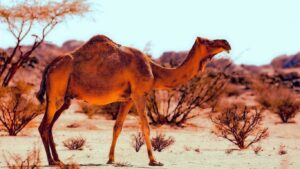
Whether you are trekking through Morocco’s Sahara, riding a camel across the Arabian sands, or visiting America’s Mojave Desert, you’ll encounter a variety of animals at desert that make each journey unforgettable.
Iconic Mammals of the Desert
The Camel: The “Ship of the Desert”
Perhaps the most famous of all animals at desert is the camel. Known as the “ship of the desert,” camels have been essential to human survival for thousands of years. Their humps store fat, not water as many believe, enabling them to survive long periods without food. They can drink up to 40 liters of water in one go and withstand extreme heat. For tourists in Morocco or Egypt, riding a camel through golden dunes is not just transportation — it’s an authentic connection to desert life.
The Fennec Fox: The Desert’s Tiny Survivor
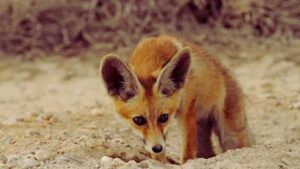
The fennec fox, with its oversized ears and small body, is one of the most adorable animals at desert. Native to the Sahara, its ears help radiate body heat and locate prey beneath the sand. Spotting one during a desert excursion is a rare treat, as they are nocturnal and shy, but local guides often share stories of their presence.
Addax Antelope: Masters of Endurance
The addax, an antelope native to the Sahara, is another remarkable desert mammal. Sadly endangered, these white-coated creatures are perfectly suited to reflect sunlight and conserve water. Travelers who visit nature reserves in North Africa may have the chance to learn about conservation efforts to protect this species.
Birds That Grace the Desert Skies
Birds are another group of fascinating animals at desert. Despite limited vegetation, deserts offer niches for a surprising number of avian species.
-
Sandgrouse are well-known for their ability to fly long distances in search of water, carrying it back in their feathers to their chicks.
-
Desert larks blend perfectly with the sandy environment, their songs echoing in the early mornings.
-
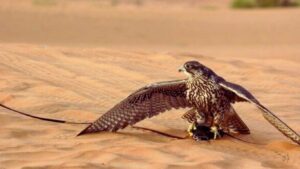
Raptors like falcons and eagles soar above desert plains, preying on smaller mammals and reptiles.
For birdwatchers, deserts provide unique opportunities to observe species rarely seen elsewhere.
Reptiles: Masters of Heat
Reptiles are perhaps the most iconic animals at desert after camels. Their cold-blooded nature allows them to adapt efficiently to the dramatic temperature changes.
-
Horned vipers and sand boas slither gracefully across dunes, often burying themselves in sand to ambush prey.
-
Agama lizards and geckos showcase dazzling colors that often change with temperature and mood.
-
The desert monitor lizard, large and powerful, is a top reptilian predator in many desert ecosystems.
Travelers must take precautions when exploring deserts, as many reptiles are venomous or dangerous if disturbed. Guides play a vital role in ensuring safe encounters with these incredible creatures.
Insects and Arachnids: Small but Essential
When discussing animals at desert, one cannot overlook insects and arachnids, which form the foundation of the food chain.
-
Scorpions glow under ultraviolet light, making night safaris with UV lamps both thrilling and educational.
-
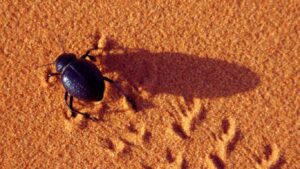
Beetles, like the Namib Desert beetle, have evolved to collect water droplets from morning fog, a survival trick that fascinates scientists.
-
Ants and termites play key roles in recycling nutrients, proving that even the smallest desert creatures are indispensable.
For adventurous travelers, guided night walks in the desert reveal a hidden world of movement beneath the stars.
The Human Connection to Animals at Desert
For centuries, desert communities have lived alongside these animals. Nomadic tribes in the Sahara, such as the Tuareg, rely on camels, goats, and sheep for survival. Their folklore is filled with references to animals at desert, which are often seen as symbols of strength, patience, and wisdom.
Tourists who stay in desert camps often get the chance to learn from local guides about the cultural importance of these animals. From camel treks to storytelling sessions under starlit skies, the connection between humans and animals enriches the desert experience.
Best Destinations to Discover Animals at Desert
Sahara Desert (Morocco, Algeria, Tunisia)
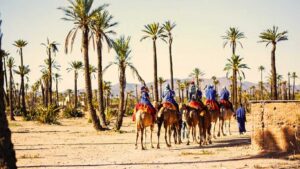
The Sahara, the world’s largest hot desert, is the ultimate place to experience desert wildlife. Morocco’s Erg Chebbi and Erg Chigaga dunes are popular with tourists. Here, you can ride camels, search for fennec fox tracks, and enjoy stargazing far from city lights.
Arabian Desert (Saudi Arabia, UAE, Oman)
The Arabian Desert offers encounters with oryx, gazelles, and falcons. Safari tours in Dubai or Oman often highlight conservation projects aimed at preserving desert biodiversity.
American Southwest (Arizona, Nevada, California)
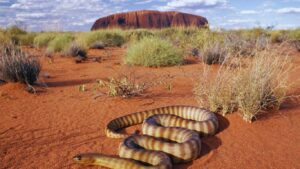
Home to coyotes, rattlesnakes, roadrunners, and desert tortoises, the American deserts provide opportunities for hiking, camping, and photography. National parks like Joshua Tree and Death Valley are hotspots for desert wildlife viewing.
Namib Desert (Namibia)
Famous for its red dunes, the Namib hosts unique species like the desert elephant and the water-collecting beetle. Travelers can combine wildlife safaris with cultural experiences in local villages.
Travel Tips for Exploring Animals at Desert
-
Go with a Guide – Local experts know where and when to find desert animals safely.
-
Best Times – Early mornings and evenings are when most animals are active, avoiding extreme midday heat.
-
Pack Properly – Binoculars, hats, sunscreen, and plenty of water are essentials.
-
Respect Nature – Always observe animals from a distance. Never try to feed or touch wildlife.
-
Choose Eco-Friendly Tours – Support operators who contribute to conservation and respect local traditions.
Why Animals at Desert Fascinate Us
The desert represents resilience. Every creature found here embodies the power of adaptation and survival against the odds. Tourists who venture into these vast landscapes gain more than just beautiful photographs; they witness the balance of life in one of Earth’s harshest habitats.
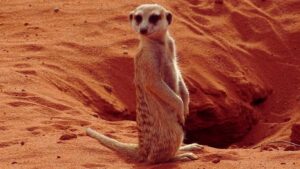
From the powerful camel to the delicate fennec fox, from the soaring falcon to the glowing scorpion, the animals at desert inspire awe, curiosity, and respect. They remind us that life can thrive even where conditions seem impossible.
Final Thoughts
Exploring the animals at desert is an unforgettable adventure for travelers who seek more than just scenery. It is about connecting with life in its purest, most resilient form. Whether you are wandering the golden dunes of Morocco, watching falcons in the Arabian Peninsula, or hiking the canyons of the American Southwest, the desert’s wildlife will leave a lasting impression.