Rising proudly in the heart of Morocco’s High Atlas Mountains, Mt Toubkal (also spelled Jebel Toubkal) is the highest peak in North Africa at 4,167 meters (13,671 feet) above sea level. Its snow-dusted summit and breathtaking panoramas attract adventurers, trekkers, and nature lovers from all over the world. Whether you are seeking an epic trekking adventure, a peaceful escape from the bustle of Marrakech, or a deep cultural immersion in Berber mountain life, Mt Toubkal promises an unforgettable experience.
A Gateway to the High Atlas
Located just 60 kilometers south of Marrakech, Mt Toubkal dominates the skyline of the High Atlas range. The journey to its base begins in the small village of Imlil, a peaceful mountain settlement nestled at 1,800 meters above sea level. Often called the “gateway to Toubkal National Park,” Imlil is surrounded by walnut groves, terraced fields, and cascading rivers. From here, the trek to the summit of Mt Toubkal begins — a route filled with beauty, challenge, and wonder.
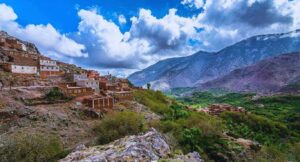
Travelers reaching Imlil from Marrakech will enjoy a scenic drive that winds through the foothills of the Atlas Mountains, passing through charming Berber villages and dramatic valleys. The air cools noticeably as the altitude rises, offering a refreshing contrast to the heat of the Moroccan plains.
The Trek to Mt Toubkal Summit
The Mt Toubkal trek is the most popular high-altitude adventure in Morocco. Most hikers complete it in two to three days, although longer treks are available for those who wish to explore nearby valleys such as Azzaden or Ouirgane.
The standard ascent begins from Imlil, following a well-marked trail that climbs steadily through small villages and rugged terrain. Along the way, trekkers pass through Aroumd, a picturesque Berber village built on a rocky outcrop. Continuing upward, the trail leads to Sidi Chamharouch, a spiritual site where a small white shrine stands beside a mountain stream. Many locals believe it to be the tomb of a Muslim saint, and it remains an important pilgrimage stop for Moroccans.
From Sidi Chamharouch, the path steepens as it approaches the Toubkal Refuge, located at about 3,200 meters. This mountain refuge serves as a resting place for climbers before their summit attempt. Basic dormitory-style accommodation, warm meals, and a friendly atmosphere make it a welcoming stop after a long day of hiking. The air here is crisp and cool, and the surrounding peaks glow gold and pink as the sun sets behind the mountains.
Reaching the Roof of North Africa
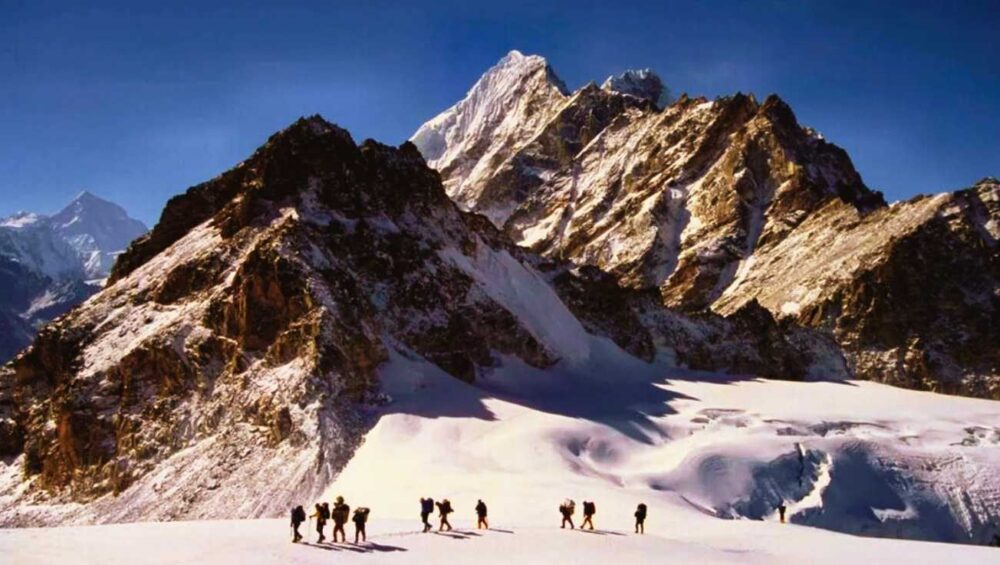
The final ascent of Mt Toubkal usually begins before dawn. Equipped with headlamps and warm clothing, trekkers set out in darkness, their path illuminated only by the stars and the faint outlines of the peaks around them. The climb is steep but straightforward, requiring no technical mountaineering skills during the summer months. In winter, snow and ice may cover the slopes, making crampons and an ice axe necessary.
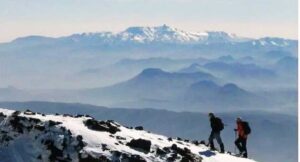
As dawn breaks, the vast landscape of the High Atlas reveals itself. Valleys stretch endlessly below, dotted with Berber villages, and to the south, the Sahara Desert appears as a distant golden shimmer. When you reach the summit of Mt Toubkal, the feeling is exhilarating — a mix of accomplishment, awe, and peace. Standing on the highest point in North Africa, you are rewarded with a 360-degree panorama that captures the essence of Morocco’s natural grandeur.
The Best Time to Climb Mt Toubkal
The best time to climb Mt Toubkal depends on what kind of adventure you are seeking.
-
Spring (April–June) and Autumn (September–November) are the most popular seasons, offering pleasant temperatures and clear skies.
-
Summer (July–August) can be hot in the lower valleys, but the higher altitudes remain comfortable.
-
Winter (December–March) transforms Mt Toubkal into a snow-covered wonderland, ideal for experienced mountaineers or those seeking a ski-touring experience in the Atlas Mountains.
Wildlife and Natural Beauty
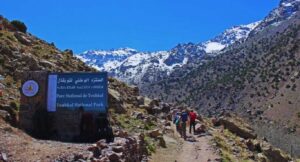 The Toubkal National Park, established in 1942, protects over 380 square kilometers of mountain wilderness. The park is home to diverse flora and fauna, including juniper forests, wild thyme, and mountain poppies. Birdwatchers might spot golden eagles or bearded vultures soaring high above the cliffs. The crystal-clear streams and waterfalls that flow through the valleys provide fresh water to the local communities and create a serene soundscape that accompanies trekkers throughout their journey.
Berber Culture and Local Life
The slopes of Mt Toubkal are home to Morocco’s indigenous Berber people, known locally as the Amazigh. Their traditional stone and adobe houses blend harmoniously with the landscape, and their warm hospitality is a highlight for many visitors. Staying in a local guesthouse or riad in Imlil or Aroumd gives travelers a glimpse into daily mountain life — from baking bread in clay ovens to herding goats along the steep paths.
Many local guides and muleteers are Berbers who have lived in these mountains for generations. Trekking with a local guide not only supports the community but also enriches your experience with authentic stories, folklore, and deep knowledge of the region’s geography and traditions.
Accommodation Around Mt Toubkal
Accommodation options near Mt Toubkal range from simple mountain refuges to charming riads and eco-lodges.
-
Kasbah du Toubkal in Imlil is one of the most renowned places to stay. Perched on a hilltop overlooking the valley, it offers panoramic views, traditional Moroccan decor, and a strong commitment to sustainable tourism.
-
Riad Atlas Panorama and Chez Les Berbères are popular mid-range options, offering comfort, local cuisine, and stunning mountain views.
-
For those trekking higher, the Toubkal Refuge provides rustic but cozy lodging for climbers preparing for their summit push.
Things to Do Beyond the Summit
While climbing Mt Toubkal is the main attraction, the surrounding region offers a wealth of other activities:
-
Day hikes to nearby villages such as Armed and Azzaden Valley.
-
Mountain biking through scenic trails that connect Imlil to Ouirgane.
-
Ski touring in winter, especially on the snow-covered slopes of Oukaimeden and Toubkal.
-
Cultural excursions to explore traditional Berber markets or to visit Marrakech for a mix of city life and mountain serenity.
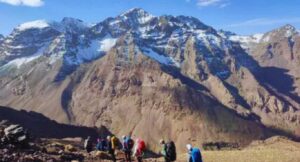
For a deeper experience, consider combining your Mt Toubkal trek with a desert trip to Merzouga or Zagora, where you can ride camels across golden dunes and camp under the stars. The contrast between the snowy peaks of the High Atlas and the warm sands of the Sahara is uniquely Moroccan.
Responsible Tourism in the Toubkal Region
Tourism around Mt Toubkal plays a vital role in supporting local communities. Many organizations, such as the Imlil Village Association, use tourism revenue to fund local infrastructure, education, and environmental projects. Visitors are encouraged to practice responsible tourism — hire local guides, minimize plastic waste, respect cultural customs, and stay on designated trails to preserve the fragile ecosystem.
Why Mt Toubkal Should Be on Your Bucket List
Climbing Mt Toubkal is more than a physical challenge; it’s a journey into the heart of Morocco’s natural and cultural richness. Every step reveals new perspectives — from lush valleys and ancient villages to breathtaking ridgelines and snow-capped summits. Whether you are a seasoned mountaineer or a curious traveler, the experience of standing atop North Africa’s highest peak will stay with you forever.
The blend of adventure, serenity, and cultural authenticity makes Mt Toubkal one of the most rewarding destinations in Morocco. It is a place where nature and tradition intertwine, where every sunrise paints the mountains in gold, and where the spirit of the Atlas endures in the smiles of its people.