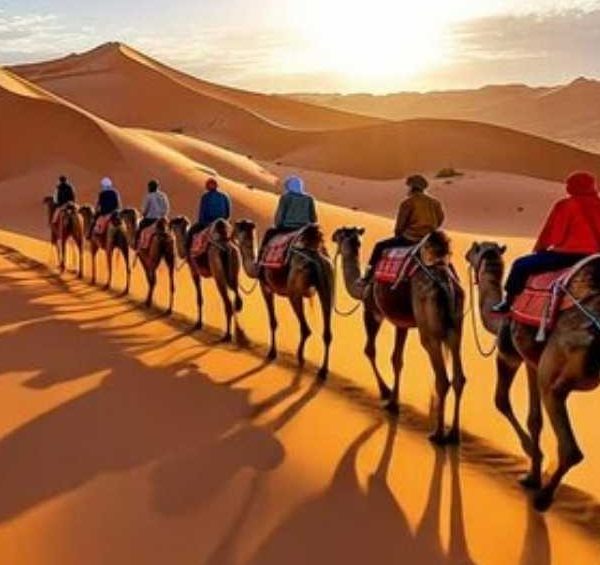
Morocco is a land of mesmerizing landscapes, rich culture, and timeless traditions. Among its most iconic attractions are its vast deserts, where the golden dunes stretch endlessly under the sun and nights sparkle with stars. For travelers seeking an authentic and unforgettable experience, exploring the Moroccan desert is a journey that combines adventure, tranquility, and the rare opportunity to observe animals the desert in their natural habitat. From the bustling oases to the quiet solitude of remote sand dunes, the deserts of Morocco offer a unique encounter with nature and wildlife.
The Majesty of Morocco’s Deserts
Morocco boasts several deserts, each with its own distinctive charm. The most famous among them is the Sahara, with its iconic rolling dunes at Erg Chebbi and Erg Chigaga. These desert landscapes are not just vast expanses of sand; they are ecosystems teeming with life adapted to harsh conditions. Travelers venturing into these areas often have the chance to spot a variety of animals the desert, from elusive reptiles and small mammals to the occasional desert fox.
Beyond the Sahara, other deserts such as the Agafay Desert near Marrakech offer a closer-to-the-city desert experience. Agafay’s rocky, moon-like terrain may not have towering dunes, but it provides an excellent setting to witness animals the desert in a more accessible location. Here, guided tours can introduce visitors to camels grazing in sparse vegetation, birds soaring above rocky ridges, and even small desert rodents scuttling across the terrain.
The Incredible Wildlife of the Moroccan Desert
One of the most fascinating aspects of visiting Morocco’s deserts is the opportunity to observe animals the desert thriving in extreme conditions. These creatures have developed remarkable adaptations to survive in an environment where water is scarce, temperatures soar during the day, and plummet at night.
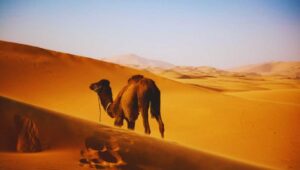 Among the most iconic animals the desert is the dromedary camel. Known as the “ships of the desert,” camels are indispensable to desert life in Morocco. Visitors can experience camel treks across the dunes, gaining firsthand insight into the lives of both the animals and the nomadic communities that rely on them. These gentle giants are perfectly suited to desert travel, capable of covering long distances with minimal water while carrying heavy loads.
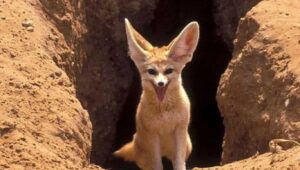
In addition to camels, desert foxes, such as the fennec fox, are a sight to behold. Their large ears not only give them an endearing appearance but also serve a practical purpose: dissipating heat and enhancing their hearing to detect prey. Spotting a fennec fox requires patience and luck, but those who succeed will witness one of Morocco’s most iconic animals the desert in action.
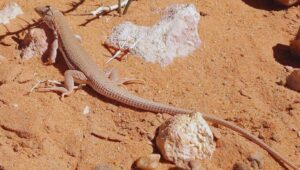
Reptiles are another essential part of desert wildlife. Lizards and snakes have evolved to thrive on the hot sands and rocky terrain. Their presence is often subtle, but for keen observers, spotting a desert lizard darting across a dune or a snake basking on a sun-warmed rock is a thrilling experience. These animals the desert highlight the diversity and resilience of desert ecosystems.
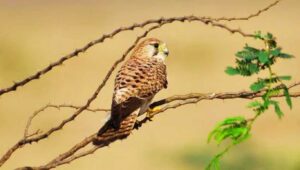
Bird enthusiasts also find Morocco’s deserts rewarding. Species such as desert larks, sandgrouse, and even migratory birds pass through the arid regions, creating moments of surprise and delight. Observing birds in the desert offers a different perspective on animals the desert, showing that even in seemingly inhospitable environments, life thrives.
Experiencing Desert Life: Beyond the Wildlife
While wildlife observation is a key attraction, Morocco’s deserts offer a wealth of other experiences that immerse travelers in local culture and natural beauty. One unforgettable activity is camping under the stars. Many desert tours include overnight stays in traditional Berber tents, where visitors can enjoy evenings around the fire, storytelling, and the serene ambiance of the desert night. In these moments, travelers often feel the presence of animals the desert nearby, adding a layer of enchantment to the experience.
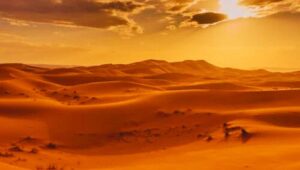
Sunrise and sunset in the desert are other highlights. As the sun rises, the dunes shift in color from soft golds to vibrant oranges, and the shadows reveal tracks left by animals the desert that have moved under the cover of darkness. Sunset, on the other hand, bathes the landscape in warm hues, creating perfect opportunities for photography and quiet reflection.
Guided excursions also introduce travelers to desert oases, where palm trees provide shade and water sustains life. These lush pockets of greenery are havens for animals the desert, offering food and shelter in an otherwise arid environment. Observing wildlife in these oases gives visitors a deeper understanding of how desert ecosystems function and how humans and animals coexist.
Conservation and Responsible Tourism
As the popularity of desert tourism in Morocco grows, there is an increasing emphasis on conservation and responsible travel. Visitors are encouraged to respect the environment, avoid disturbing wildlife, and support local communities. Many tour operators now focus on eco-friendly practices, such as limiting group sizes, minimizing waste, and educating travelers about the delicate balance of desert life.
By traveling responsibly, visitors can ensure that the delicate habitats of animals the desert remain protected for future generations. Conservation initiatives also help preserve the rich biodiversity of Morocco’s deserts, from camels and fennec foxes to rare reptiles and migratory birds.
Tips for Observing Animals in the Desert
-
Go with a knowledgeable guide: Local guides know where and when to spot animals the desert, increasing the chances of memorable wildlife encounters.
-
Plan early morning or late afternoon excursions: Many desert creatures are most active during cooler periods, making sightings more likely.
-
Be patient and quiet: Wildlife observation requires patience; sudden movements or noise can scare away the animals.
-
Bring appropriate gear: Binoculars, cameras with zoom lenses, and comfortable clothing are essential for safely exploring the desert.
-
Respect the habitat: Avoid touching or feeding wildlife, and stay on designated paths to minimize environmental impact.
Final Thoughts
Exploring Morocco’s deserts offers travelers an unparalleled combination of adventure, tranquility, and wildlife observation. From the vast Sahara dunes to the rocky expanses of Agafay, each desert region provides unique encounters with animals the desert that are both educational and awe-inspiring. Whether you are riding a camel, spotting a fennec fox, or marveling at the intricate tracks left in the sand, the Moroccan desert leaves a lasting impression on all who visit.
For anyone planning a journey to Morocco, setting aside time to explore the desert is a must. Beyond the stunning landscapes and vibrant sunsets, it is the presence of animals the desert that brings these regions to life, reminding us of the incredible resilience and beauty of nature in one of the world’s most extreme environments.
In Morocco, the desert is more than just sand and sun—it is a living, breathing world, full of wonders waiting to be discovered by curious travelers. By respecting and appreciating the wildlife, visitors not only gain unforgettable memories but also contribute to the preservation of these unique ecosystems. The Moroccan desert, with its stunning vistas and remarkable animals the desert, is a destination that will captivate the hearts and imaginations of all who venture into its golden expanse.