Morocco, a country of vibrant colors, rich history, and diverse landscapes, offers some of the most breathtaking mountain scenery in North Africa. Among its natural treasures, the Atlas mountain in Morocco stands as a majestic and unforgettable destination, attracting adventurers, trekkers, and culture enthusiasts from around the world. Stretching across the central part of the country, the Atlas range offers a unique blend of natural beauty, traditional Berber culture, and challenging outdoor experiences.
The Geography and Significance of the Atlas Mountain in Morocco
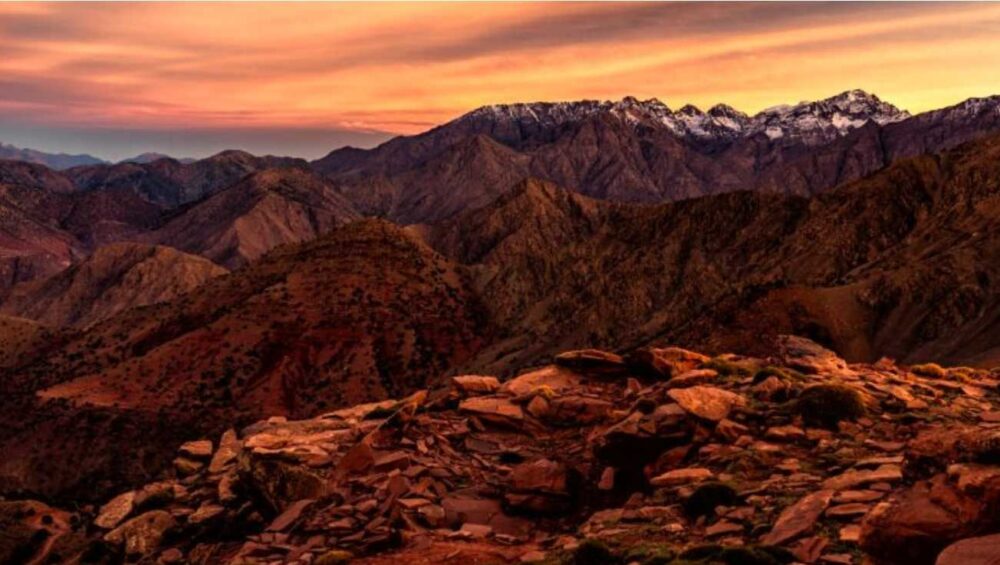
The Atlas Mountains form a striking natural divide, running approximately 2,500 kilometers across Morocco, Algeria, and Tunisia. Within Morocco, these mountains are split into three main ranges: the High Atlas, Middle Atlas, and Anti-Atlas. The High Atlas is particularly renowned for its dramatic peaks, with Jebel Toubkal rising to 4,167 meters, making it the highest point in North Africa. This peak is an iconic landmark within the atlas mountain in Morocco, attracting both seasoned climbers and casual hikers eager to experience the beauty of the mountains.
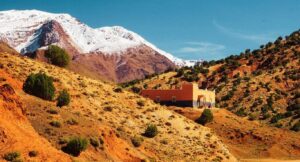
These mountains are not only a haven for outdoor activities but also play a crucial role in Morocco’s ecology. Rich in biodiversity, the Atlas Mountains host unique flora and fauna, including endemic species of plants, birds, and mammals. They are also vital for local communities, providing water resources and fertile soil for agriculture in the valleys below.
Imlil: The Gateway to the Atlas Mountain in Morocco
One of the most popular starting points for exploring the atlas mountain in Morocco is the traditional village of Imlil. Nestled at 1,800 meters above sea level, Imlil is located about 60 kilometers south of Marrakech and offers stunning views of the surrounding peaks. This village has long been a hub for trekkers seeking to ascend Jebel Toubkal or explore the High Atlas through various multi-day hikes.
Imlil is more than just a trekking base. The village provides visitors with a chance to experience authentic Berber culture. Traditional houses, bustling markets, and warm hospitality create an atmosphere where travelers can immerse themselves in local life. Visitors can enjoy local cuisine, such as tagine and couscous, at family-run restaurants while admiring the panoramic views of the atlas mountain in Morocco.
Trekking and Outdoor Adventures
Trekking in the Atlas Mountains is an experience unlike any other. The terrain varies from lush valleys dotted with walnut, cherry, and apple trees to rugged peaks and high-altitude plateaus. For those seeking adventure, the ascent to Mount Toubkal is a must. Guided treks are widely available, and hikers can choose from day trips, multi-day excursions, or even ski tours during the winter months.
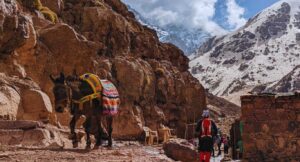
Aside from climbing Toubkal, the region offers many scenic trails. Trekkers can explore nearby valleys, such as Ikkiss and Tacheddirt, and encounter remote Berber villages along the way. Muleteers are often available to carry luggage, making longer treks accessible to beginners. Trekking in the atlas mountain in Morocco provides a sense of timelessness, as the landscape and traditions of the Berber people have remained largely unchanged for centuries.
Cultural Experiences in the Atlas Mountain Region
The Atlas Mountains are not just a destination for outdoor enthusiasts; they are also a cultural treasure. Visitors can interact with local Berber communities, learning about traditional crafts, agriculture, and cooking methods. Many villages, including Imlil, have established associations to support sustainable tourism, such as community hammams (public bathhouses), litter collection projects, and healthcare services. These initiatives ensure that tourism benefits local communities while preserving the natural and cultural heritage of the atlas mountain in Morocco.
Travelers can also experience local festivals, music, and storytelling. The Berber culture is rich with legends, folk songs, and dances that reflect the history and spirit of the mountains. Participating in these cultural experiences adds depth to any journey through the Atlas region.
Accommodation and Hospitality
Accommodation in the Atlas Mountains ranges from traditional riads to modern lodges and mountain refuges. In Imlil, visitors can stay in places like Riad Atlas Panorama, Kasbah du Toubkal, and Dar Tighoula, all offering breathtaking views of the surrounding peaks. Many lodgings combine comfort with authenticity, providing travelers with a cozy base to rest after a day of trekking in the atlas mountain in Morocco.
Mountain lodges and guesthouses also serve as social hubs for travelers, where they can exchange stories, plan excursions, and enjoy local cuisine. The hospitality in this region is legendary, and the warmth of the Berber people enhances every visit.
Practical Information for Travelers
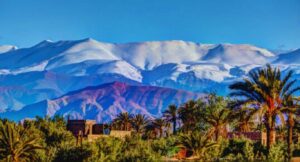
Reaching the Atlas Mountains is relatively straightforward. The closest major city is Marrakech, which is approximately 1.5 hours from Imlil by car. Travelers can access the village by taxi, shared grand taxi, or local buses. The roads are scenic but can be prone to flooding, so planning ahead is essential.
Once in the mountains, walking is the primary mode of transportation. Paths are often rocky, so proper footwear and equipment are recommended. Hiring a local guide can enrich the experience, offering insight into the terrain, weather, and cultural highlights of the atlas mountain in Morocco.
Conclusion: Why Visit the Atlas Mountain in Morocco
The atlas mountain in Morocco is more than just a destination; it is a journey into the heart of nature and culture. From the towering peaks of the High Atlas to the peaceful valleys and vibrant Berber communities, this region offers a unique combination of adventure, relaxation, and cultural immersion. Whether you are a seasoned trekker aiming for the summit of Jebel Toubkal or a curious traveler seeking the charm of rural Moroccan villages, the Atlas Mountains promise an unforgettable experience.
By visiting the atlas mountain in Morocco, travelers not only explore some of the most spectacular landscapes in North Africa but also connect with the traditions and resilience of its people, making every trip a meaningful adventure.