Deep in the heart of the High Atlas Mountains lies one of Morocco’s greatest natural treasures—Toubkal Morocco, the highest peak in North Africa standing proudly at 4,167 meters above sea level. Known locally as Jebel Toubkal, this majestic mountain is more than a trekking destination; it’s a journey into the soul of Morocco, where rugged landscapes meet timeless Berber culture and endless adventure.
The Majesty of Toubkal Morocco
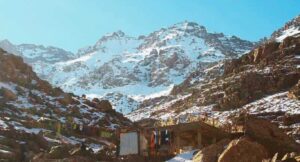 Toubkal Morocco dominates the skyline of the High Atlas, rising sharply above a sea of valleys, gorges, and villages. Located just 60 kilometers south of Marrakech, the mountain offers an incredible escape from the bustling medina of the city. Within a short drive, the dry plains give way to verdant valleys, walnut groves, and cool mountain air. The road to the mountain winds through scenic villages like Asni and Imlil, leading visitors into one of Morocco’s most beautiful regions.
Imlil: The Gateway to Toubkal Morocco
The picturesque village of Imlil serves as the base camp for most treks to Toubkal Morocco. Nestled at 1,800 meters above sea level, Imlil is both peaceful and full of life. Here, visitors find a harmonious blend of nature, hospitality, and adventure. It’s a place where donkeys replace cars, and stone houses are built right into the mountain slopes. Trekkers can prepare for their ascent by hiring local guides, arranging mule support, or enjoying the cozy riads and guesthouses that offer breathtaking views of the valley.
Imlil is more than a staging point—it’s a destination in itself. Surrounded by terraced fields, cherry orchards, and walnut trees, the village is ideal for leisurely walks and cultural immersion. You’ll hear the call to prayer echoing through the mountains at dusk and see shepherds guiding their flocks home under the golden light of the setting sun.
Climbing Toubkal: A Challenge and Reward
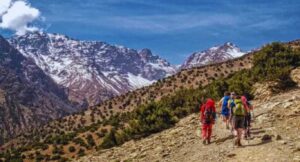
Ascending Toubkal Morocco is one of the most rewarding adventures in North Africa. The trek typically takes two days from Imlil, with a night spent at the base camp refuge located at 3,200 meters. The route passes through the village of Aroumd and across rocky paths that gradually lead into alpine terrain. Along the way, trekkers are treated to stunning panoramas of the High Atlas range and glimpses of traditional Berber life.
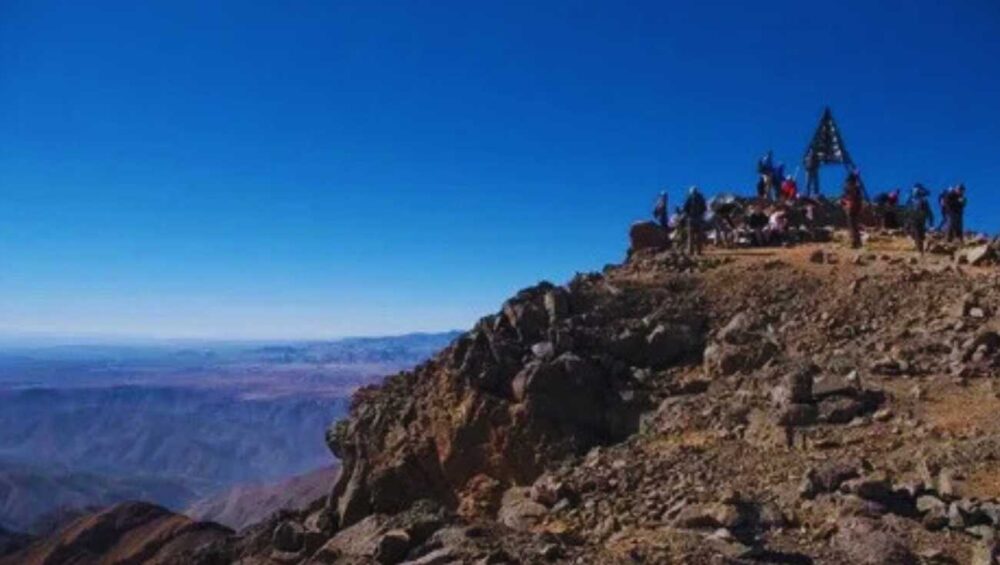
The final ascent to the summit begins early in the morning, often before sunrise. As climbers make their way up the steep scree slopes, the first rays of light illuminate the horizon, revealing breathtaking views stretching as far as the Sahara Desert. Reaching the summit of Toubkal Morocco is an unforgettable moment—standing on the roof of North Africa, surrounded by clouds and silence, fills one with a sense of triumph and awe.
When to Visit Toubkal Morocco
The best time to climb Toubkal Morocco is from April to October when the weather is milder and the trails are clear of snow. During winter (November to March), the mountain transforms into a snow-covered wonderland, offering opportunities for ski touring and winter trekking. However, these months require proper gear and an experienced guide due to icy conditions and unpredictable weather.
For those who prefer moderate temperatures and fewer crowds, spring and autumn provide ideal trekking conditions. The valleys are green, rivers flow gently, and wildflowers bloom in vibrant colors against the rocky backdrop of the High Atlas.
Culture and Life Around Toubkal Morocco
The communities living around Toubkal Morocco are predominantly Berber, the indigenous people of North Africa. Their villages, constructed from local stone and clay, blend seamlessly into the mountainside. Visitors are often welcomed with mint tea and traditional dishes like tagine or couscous. Hospitality here is sincere, born from centuries of mountain life where cooperation and kindness are essential for survival.
Local guides and muleteers, many of whom grew up in the valleys surrounding Toubkal, are invaluable companions on any trek. They not only ensure safety but also share stories of their culture, legends of the mountains, and insights into daily Berber traditions.
Beyond the Summit: Exploring the High Atlas
While climbing Toubkal Morocco is the highlight for many visitors, the region offers countless other experiences. Adventurers can explore neighboring valleys such as Aït Mizane, Tacheddirt, and Azzaden, each with its unique charm. Day hikes lead to waterfalls, high passes, and panoramic viewpoints that rival those of the Alps.
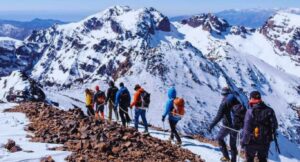
In winter, the snow-covered slopes attract ski enthusiasts seeking an off-the-beaten-path experience. Meanwhile, cyclists and photographers find inspiration in the ever-changing light and the contrast between green valleys and snow-dusted peaks.
Responsible Tourism and Sustainability
Tourism plays a vital role in the economy of the High Atlas, but preserving its fragile ecosystem is essential. Many initiatives, such as the Imlil Village Association, promote eco-friendly tourism. A small local tax collected from visitors supports community projects including waste management, reforestation, and maintaining the community hammam (bathhouse). Choosing local guides, staying in eco-lodges, and respecting cultural norms are simple ways to contribute positively to the preservation of Toubkal Morocco and its surrounding environment.
Where to Stay: From Mountain Refuges to Kasbahs
Accommodation near Toubkal Morocco ranges from traditional Berber houses to luxurious mountain retreats. The Kasbah du Toubkal, located above Imlil, is one of the most iconic lodges in the area. Perched on a hilltop at 1,820 meters, it offers sweeping views of the valley and serves as a model for sustainable tourism. For budget travelers, simple riads and guesthouses in Imlil provide comfort and warmth, often complete with home-cooked meals and panoramic terraces.
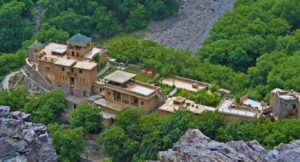
At higher altitudes, trekkers can stay overnight at the Toubkal Refuge, a rustic yet cozy base for summit attempts. It’s common to meet travelers from around the world sharing stories over hot tea and tagine before setting out for the final climb.
Getting to Toubkal Morocco
Reaching Toubkal Morocco is surprisingly straightforward. From Marrakech, the drive to Imlil takes about 1.5 hours. Taxis, private transfers, and organized tours are readily available. Along the way, travelers pass through Asni, a lively market town known for its Saturday souk. The road ascends through mountain passes, offering breathtaking views before arriving at the serene valley of Imlil.
Once in Imlil, most treks are done on foot, though mules can be hired to carry supplies. Good hiking boots, layered clothing, and plenty of water are essential for the journey.
The Spirit of Toubkal Morocco
Beyond its height and grandeur, Toubkal Morocco represents something deeper—a spiritual connection between nature and humanity. Whether you’re an experienced mountaineer or a curious traveler seeking tranquility, the mountain has a way of touching your heart. The rhythm of life slows down here, and each moment becomes a meditation on beauty, endurance, and simplicity.
Standing at the summit, with the vast expanse of Morocco spread beneath you—the desert to the south, the plains of Marrakech to the north—you realize why Toubkal Morocco</strong> continues to captivate adventurers from around the world. It’s not just the highest point in North Africa; it’s a place where earth and sky meet, where culture and nature intertwine, and where every traveler finds a piece of themselves among the peaks.