Nestled deep in the heart of the High Atlas Mountains, Mount Toubkal Morocco is more than just the highest peak in North Africa. Standing proudly at 4,167 meters (13,671 feet) above sea level, it embodies adventure, challenge, and the breathtaking beauty of Moroccan landscapes. Whether you are an experienced mountaineer or a first-time trekker, this iconic mountain offers an unforgettable experience blending nature, culture, and adventure in equal measure.
The Majesty of Mount Toubkal Morocco
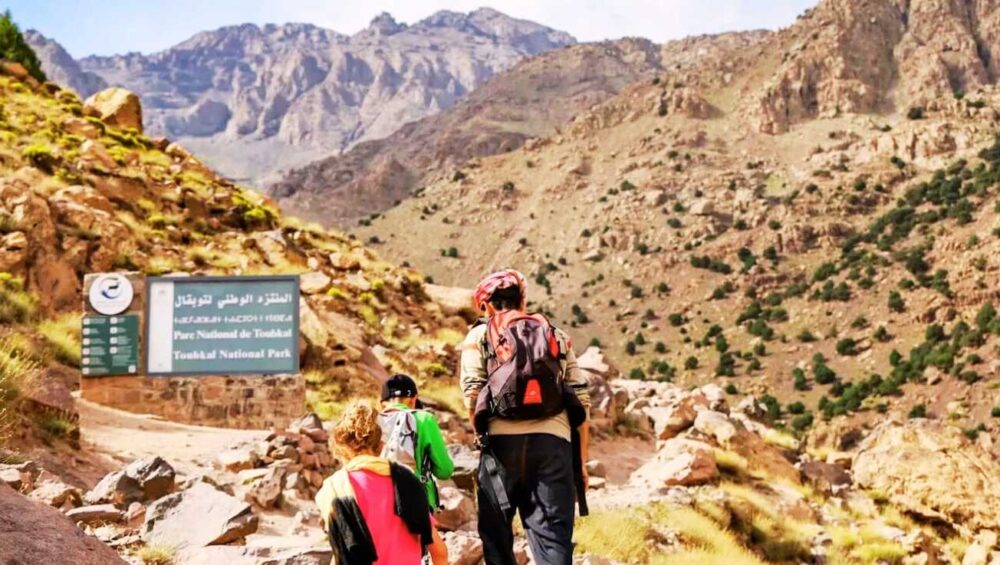
Located about 60 kilometers south of Marrakech, Mount Toubkal Morocco dominates the skyline of the Atlas range. Its snow-capped peak rises above rugged valleys and ancient Berber villages that seem untouched by time. The mountain is part of the Toubkal National Park, established to protect its diverse flora, fauna, and scenic landscapes. It’s a haven for trekkers seeking both solitude and awe-inspiring vistas.
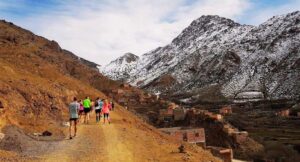
The surrounding area is rich with natural beauty—terraced fields, walnut and cherry orchards, and streams that carve their way through rocky cliffs. The contrast between the green valleys and the arid peaks creates a panorama that remains etched in every traveler’s memory.
Gateway to the Atlas: The Village of Imlil
Every adventure to Mount Toubkal Morocco begins in the charming mountain village of Imlil. Perched at an altitude of about 1,800 meters, Imlil serves as the main base for treks in the High Atlas. It’s just a 1.5-hour scenic drive from Marrakech, yet it feels worlds away from the bustling souks and chaotic streets of the city.
Imlil offers everything a traveler could need before tackling Mount Toubkal—comfortable riads, local guides, muleteers, and small shops selling trekking gear. The air here is crisp and cool, and the hospitality of the Berber villagers sets the tone for the adventure ahead. From here, paths wind upward toward the mountain, passing through traditional villages such as Aroumd and Sidi Chamharouch.
The Route to the Summit
Climbing Mount Toubkal Morocco can be done year-round, but the best times are from April to October for those who prefer warmer conditions and from November to March for those seeking the challenge of a snow-covered ascent.
The most popular route starts from Imlil and follows a two-day itinerary:
-
Day 1: Imlil to Refuge du Toubkal (Base Camp)
The trek begins with a gradual climb through walnut groves and rocky paths, passing the sacred site of Sidi Chamharouch, a small shrine visited by locals for spiritual blessings. As you ascend, the landscape shifts from green terraces to rugged slopes. After about 5–6 hours of trekking, you’ll reach the Refuge du Toubkal, located at 3,200 meters. This mountain hut offers basic accommodation and hearty Moroccan meals, providing a warm place to rest before the summit push. -
Day 2: Base Camp to Summit and Return to Imlil
Before dawn, trekkers set out under starlit skies. The final ascent to the summit of Mount Toubkal Morocco takes 3–4 hours of steep climbing. As the sun rises, the High Atlas reveals its grandeur—a sea of peaks stretching endlessly into the horizon. Reaching the summit is a moment of pure triumph. From here, you can gaze upon the Anti-Atlas mountains, the plains of Marrakech, and even glimpses of the Sahara Desert in the distance. After enjoying the views, trekkers descend back to Imlil, completing an adventure of a lifetime.
What Makes Mount Toubkal Morocco Special
Climbing Mount Toubkal Morocco is not a technical climb; it’s a high-altitude trek that requires good fitness and determination rather than advanced mountaineering skills. This accessibility makes it one of the world’s most popular trekking peaks. The route’s charm lies not just in its natural beauty but also in the encounters along the way—friendly Berber villagers, shepherds tending their flocks, and guides sharing tales of the mountains.
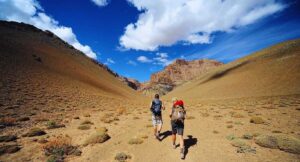
The Berber culture adds a unique layer to the journey. Visitors often stay in family-run riads or guesthouses where they can enjoy home-cooked tagines, mint tea, and the warm hospitality of the mountain people. Trekking in this region also supports local communities through sustainable tourism initiatives.
Seasons and Climate
The climate around Mount Toubkal Morocco varies greatly with altitude and season.
-
Spring (March–May): Wildflowers bloom, valleys turn green, and the snow begins to melt. It’s one of the best times for trekking.
-
Summer (June–September): Warm temperatures and clear skies make for ideal hiking conditions, though the midday sun can be intense.
-
Autumn (October–November): Cooler weather and fewer crowds offer excellent trekking conditions.
-
Winter (December–February): Snow blankets the peak, transforming it into a paradise for mountaineers equipped for ice climbing or ski touring.
Each season paints a different portrait of Mount Toubkal Morocco, ensuring that no two visits are ever the same.
Practical Tips for Trekking Mount Toubkal Morocco
-
Hire a Local Guide:
While it’s possible to trek independently, hiring a licensed guide ensures safety and enriches your experience with local knowledge. -
Acclimatize Properly:
Spend a day in Imlil before starting the climb to help your body adjust to the altitude. -
Pack Smart:
Essentials include sturdy hiking boots, warm layers, sunscreen, a hat, trekking poles, and a refillable water bottle. -
Respect Local Culture:
Dress modestly and always ask permission before photographing people. -
Stay Hydrated and Eat Well:
The combination of altitude and exertion demands proper nutrition and hydration.
Beyond the Summit: Exploring the High Atlas
The adventure doesn’t end after conquering Mount Toubkal Morocco. The surrounding High Atlas Mountains are filled with scenic trails and cultural treasures. You can explore nearby valleys like Azzaden, Ourika, and Ouirgane, each offering unique landscapes and experiences. For those seeking relaxation, return to Marrakech and enjoy a hammam, traditional Moroccan cuisine, and the vibrant energy of Jemaa el-Fnaa square.
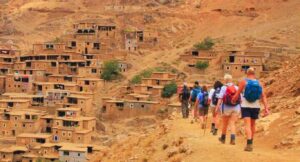
Alternatively, you can extend your journey to the Sahara Desert, where golden dunes meet ancient kasbahs, or to the Atlantic Coast, where Essaouira’s breezy charm offers the perfect post-trek escape.
Where to Stay
In Imlil and its surroundings, accommodation ranges from cozy guesthouses to luxurious mountain lodges.
-
Kasbah du Toubkal: Perched high above the valley, this eco-friendly lodge offers panoramic views and exceptional service.
-
Riad Atlas Panorama: Known for its traditional décor and stunning mountain views, this riad provides authentic Moroccan comfort.
-
Chez Les Berbères: A budget-friendly option with warm hospitality and homemade meals.
Responsible Tourism
Sustainable travel is essential in preserving the beauty of Mount Toubkal Morocco. Local organizations, such as the Imlil Village Association, reinvest tourism revenue into community projects, waste management, and infrastructure improvements. Travelers are encouraged to support these efforts by minimizing waste, respecting wildlife, and hiring local guides and muleteers.
A Journey of a Lifetime
Trekking Mount Toubkal Morocco is not just about reaching the highest point in North Africa—it’s a journey through landscapes that stir the soul and a culture that welcomes every traveler with open arms. Whether you’re drawn by the challenge, the scenery, or the serenity of the mountains, this adventure leaves an indelible mark on everyone who undertakes it.
From the bustling streets of Marrakech to the quiet trails of the High Atlas, Mount Toubkal connects you to the raw beauty and spirit of Morocco. It is a place where the earth meets the sky, where every step tells a story, and where every sunrise reminds you that nature’s greatest wonders are often found at the highest heights.