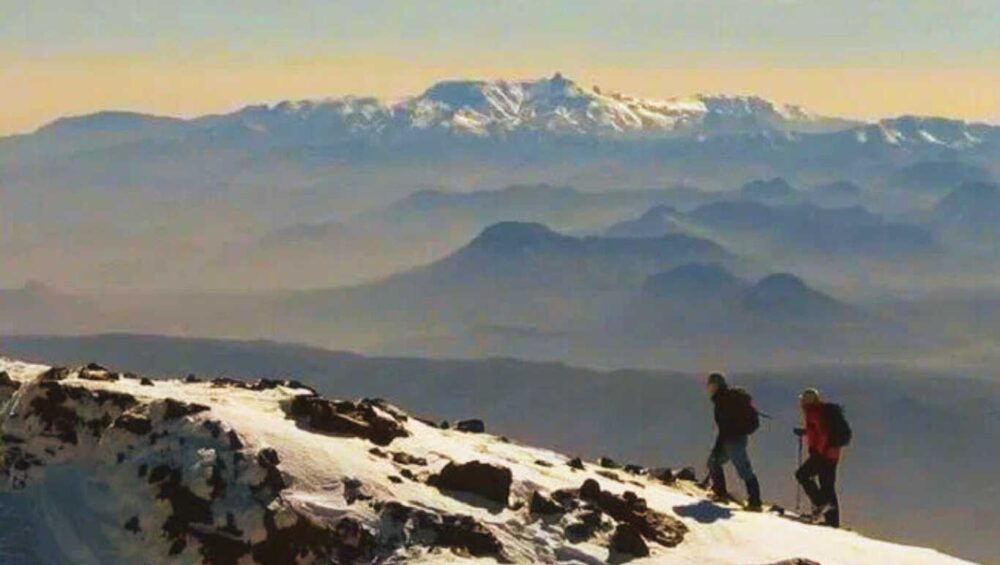
When it comes to adventure tourism in Morocco, one destination stands out as both a challenge and a reward for travelers: Mount Toubkal. Towering at 4,167 meters (13,671 feet), it is the highest peak in Morocco, North Africa, and the entire Arab world. Situated in the heart of the High Atlas Mountains, just 63 kilometers south of Marrakech, this majestic summit has become a symbol of adventure for trekkers, climbers, and nature lovers from around the globe.
Whether you are an experienced mountaineer or simply an enthusiastic hiker, climbing Mount Toubkal offers breathtaking landscapes, cultural encounters with Berber villages, and the satisfaction of reaching the roof of North Africa. In this article, we will explore the history, routes, preparation tips, and everything you need to know for an unforgettable journey to Mount Toubkal.
The Allure of Mount Toubkal
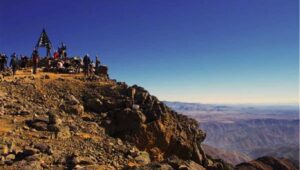
Mount Toubkal is part of the Toubkal National Park, a protected area that showcases the rugged beauty of the High Atlas. Its landscapes shift dramatically with the seasons. In summer, the valleys are dotted with wildflowers, while in winter, the slopes transform into a snowy wonderland ideal for ski touring. From the summit, trekkers enjoy panoramic views that stretch across the Atlas Mountains to the Sahara Desert in the south and even glimpses of the Atlantic Ocean on clear days.

The mountain also carries cultural and historical significance. The surrounding Berber communities, who have lived in these valleys for centuries, regard the mountain as a vital part of their identity. A trek up Mount Toubkal is not just a physical adventure but also a cultural journey into Morocco’s traditions and hospitality.
Getting to Mount Toubkal
Reaching Mount Toubkal is relatively straightforward, making it accessible to both international travelers and domestic adventurers. Most treks begin in the small village of Imlil, located about 90 minutes by car from Marrakech. Imlil, sitting at an altitude of 1,740 meters, serves as the gateway to Toubkal National Park. Here, trekkers can hire guides, rent equipment, and stock up on supplies before beginning their ascent.
Transportation options from Marrakech to Imlil include private taxis, shared minibuses, or organized transfers arranged through trekking agencies. The road trip itself offers spectacular views of the foothills, terraced farms, and traditional Berber homes clinging to steep hillsides.
The Classic Route to Mount Toubkal
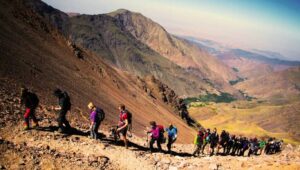
The most popular route to the summit of Mount Toubkal is the standard south route, which begins in Imlil. The trek usually takes two to three days, depending on pace and acclimatization needs.
-
Day One – Imlil to Refuge:
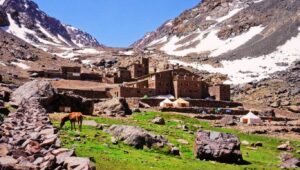
The trek begins with a gradual climb through apple orchards, walnut groves, and small Berber villages such as Aroumd. Trekkers follow mule tracks and pass through the scenic Mizane Valley before reaching the shrine of Sidi Chamharouch, a pilgrimage site believed to have healing powers. After a few more hours of hiking, climbers arrive at one of the base refuges: Refuge du Toubkal (3207 m) or Refuge Les Mouflons. This first day usually covers around 11 km of trekking. -
Day Two – Summit Attempt:
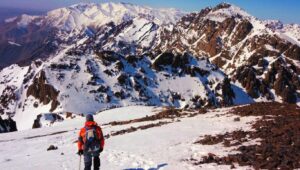
The second day starts before dawn to take advantage of cooler temperatures and stable conditions. The ascent to the summit involves a steep, rocky climb, often requiring crampons in winter. After about 3 to 4 hours, trekkers reach the summit of Mount Toubkal. Standing at the top is an exhilarating experience, with 360-degree views across Morocco’s diverse landscapes. After spending some time at the summit, most climbers descend back to the refuge or even return to Imlil the same day.
Some adventurers choose to extend their journey by exploring other peaks in the Toubkal range, such as Ras Ouanoukrim (4,089 m) and Timesguida (4,089 m), both of which provide additional challenges and spectacular vistas.
When to Climb Mount Toubkal
The best time to climb Mount Toubkal depends on the type of experience you are seeking.
-
Spring (April–May): Ideal weather with lush valleys and pleasant temperatures.
-
Summer (June–September): Warm, dry, and accessible conditions, though this is also the busiest season.
-
Autumn (October–November): Cooler temperatures and fewer crowds, but weather can be unpredictable.
-
Winter (December–March): Snow covers the slopes, making the ascent more challenging but perfect for ski touring and winter mountaineering.
Preparing for the Climb
While climbing Mount Toubkal does not require technical mountaineering skills in summer, it still demands physical fitness and preparation. Trekkers should be ready for long hours of hiking at high altitude. Here are some preparation tips:
-
Fitness Training: Engage in cardio exercises, strength training, and regular hikes in the weeks leading up to your trip.
-
Altitude Awareness: At over 4,000 meters, altitude sickness can affect climbers. Spending an extra day acclimatizing in Imlil or the refuge is recommended.
-
Gear Checklist: Sturdy hiking boots, layered clothing, trekking poles, a sleeping bag, and in winter, crampons and an ice axe are essential.
-
Guides and Porters: Hiring a local guide not only enhances safety but also supports the local economy. Porters and mules can help carry heavy loads, allowing trekkers to focus on the climb.
Cultural Encounters on the Trail
One of the highlights of trekking to Mount Toubkal is the chance to experience Berber hospitality. Along the route, you will encounter traditional stone houses, terraced farmlands, and locals who still follow centuries-old customs. Many trekking companies include home-cooked Berber meals in their packages, allowing visitors to taste Moroccan specialties such as tagine, couscous, and mint tea.
Staying overnight in Imlil or nearby villages also provides opportunities to learn about Berber culture, handicrafts, and music. For many travelers, these encounters are just as memorable as reaching the summit itself.
Safety and Sustainability
As the popularity of Mount Toubkal grows, so does the responsibility to protect its fragile environment. Trekkers are encouraged to follow Leave No Trace principles by carrying out all waste, respecting local customs, and minimizing their ecological footprint. The Moroccan government and local associations have been working to improve trail maintenance and promote eco-friendly tourism.
Safety is another key consideration. Weather conditions in the High Atlas can change rapidly, so it is vital to check forecasts and be prepared for sudden snow, rain, or wind. Hiring an experienced guide significantly increases safety, particularly during winter months.
Beyond Mount Toubkal
For those who wish to extend their adventure beyond Mount Toubkal, the High Atlas offers countless opportunities. Multi-day treks can connect different valleys, leading to hidden villages, alpine lakes, and remote landscapes rarely visited by tourists. The nearby Ourika Valley and Aït Bouguemez Valley are excellent add-ons for travelers looking to deepen their exploration of Morocco’s mountain culture.
Moreover, after conquering Mount Toubkal, many travelers reward themselves with a few relaxing days in Marrakech. The city’s bustling souks, historic medina, and vibrant food scene provide the perfect contrast to the rugged beauty of the mountains.
Final Thoughts
Climbing Mount Toubkal is more than just reaching the highest point in North Africa. It is a journey that combines physical challenge, natural beauty, and cultural discovery. From the moment you set foot in Imlil to the triumphant feeling of standing on the summit, every step brings a sense of achievement and wonder.
For adventurers seeking a memorable trekking experience, Mount Toubkal offers it all: stunning views, authentic cultural encounters, and the thrill of conquering one of the world’s great peaks. Whether you come in summer for the easiest conditions or in winter for the added challenge, the journey to Mount Toubkal will leave you with memories to last a lifetime.