When travelers think of Morocco, images of bustling souks in Marrakech, the golden dunes of the Sahara Desert, and the historic medinas of Fez often come to mind. Yet, one of the country’s most breathtaking and diverse natural wonders lies just a short drive away from Morocco’s busiest cities: the Atlas Mountains in Morocco. Stretching for more than 2,500 kilometers across North Africa, the Atlas range divides the Mediterranean and Atlantic coastlines from the Sahara Desert, creating a stunning and varied landscape. For visitors seeking a mix of adventure, tranquility, and cultural immersion, the Atlas Mountains in Morocco offer an unforgettable experience.
The Geography of the Atlas Mountains
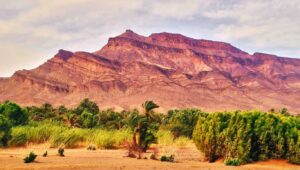
The Atlas Mountains in Morocco are divided into three main sections: the High Atlas, the Middle Atlas, and the Anti-Atlas. Each region has its own unique geography, climate, and charm.
-
The High Atlas: Known as the “roof of North Africa,” this is the most dramatic and highest part of the range, with peaks like Mount Toubkal towering at 4,167 meters above sea level. Snow often caps these peaks in winter, making them popular for trekking and even skiing.
-
The Middle Atlas: Stretching north of the High Atlas, this region is rich with cedar forests, alpine lakes, and wildlife such as Barbary macaques. It is less rugged but offers a lush, green environment.
-
The Anti-Atlas: Located further south, closer to the Sahara, the Anti-Atlas is characterized by arid landscapes, striking rock formations, and palm-filled valleys.
This diversity ensures that whether you are a trekker, nature enthusiast, or cultural traveler, the Atlas Mountains in Morocco have something to offer.
A Trekker’s Paradise
For hiking and trekking lovers, the Atlas Mountains in Morocco provide trails for every skill level. The most famous trek is undoubtedly the climb to Mount Toubkal, the highest peak in North Africa. Adventurous travelers often set out from the village of Imlil, following trails that pass through terraced fields, Berber villages, and alpine scenery before reaching the summit. Standing at the peak, hikers are rewarded with panoramic views stretching all the way to the Sahara Desert.
Those looking for less demanding hikes can explore valleys such as the Ourika Valley or the Ouirgane Valley, where gentle trails wind through orchards, riverbanks, and traditional Berber homes. In spring and early summer, these areas bloom with almond and cherry blossoms, adding vibrant color to the already picturesque landscapes.
Winter in the Atlas Mountains
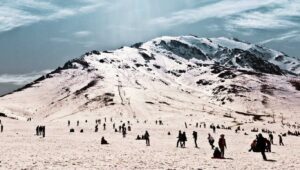 Few visitors expect to find ski resorts in Africa, but the Atlas Mountains in Morocco hold a delightful surprise. The resort town of Oukaïmeden, located about 80 kilometers from Marrakech, offers skiing and snowboarding during the winter months. Though smaller in scale compared to European resorts, the experience of skiing in the Atlas with views of rugged peaks and Berber villages is truly unique.
The Culture of the Berber People
Beyond natural beauty, one of the most enriching aspects of traveling through the Atlas Mountains in Morocco is meeting the indigenous Amazigh, or Berber, communities. The Berbers have lived in these mountains for thousands of years, preserving a lifestyle deeply connected to the land. Villages are often built from clay and stone, blending seamlessly with the mountain terrain.
Travelers are frequently welcomed into Berber homes for mint tea, fresh bread, and tagines cooked over open fires. This hospitality provides not only a taste of traditional Moroccan cuisine but also insight into a way of life that has endured for centuries. In many villages, travelers can find women’s cooperatives selling handwoven rugs, intricate jewelry, and other handicrafts that reflect the artistry of the region.
Valleys and Natural Wonders
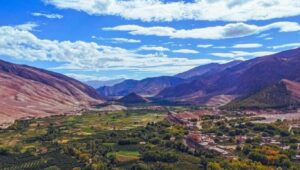
Several valleys within the Atlas Mountains in Morocco have become famous tourist destinations in their own right:
-
Ourika Valley: Just an hour’s drive from Marrakech, Ourika Valley is a popular escape from the city’s heat. Known for its waterfalls, lush gardens, and lively weekend markets, it is ideal for day trips.
-
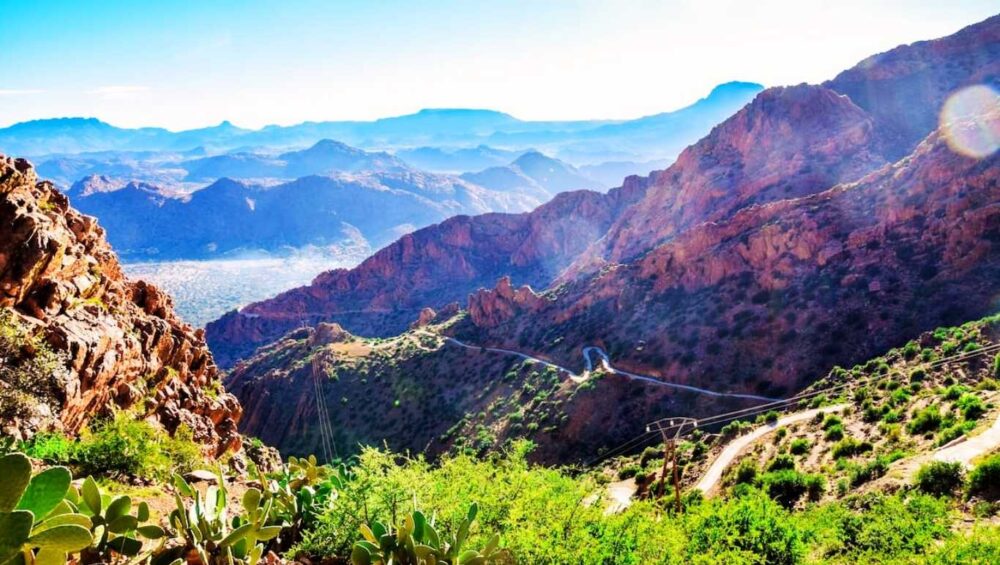
Dades Valley: Often called the “Valley of a Thousand Kasbahs,” this region is dotted with ancient fortified homes, surrounded by dramatic rock formations. The winding road through the Dades Gorge is considered one of the most scenic drives in Morocco.
-
Ait Bouguemez Valley: Known as the “Happy Valley,” this remote area in the High Atlas is perfect for travelers seeking tranquility, authenticity, and wide-open landscapes.
-
Todra Gorge: Towering limestone cliffs create a dramatic canyon popular with rock climbers and hikers.
Each of these valleys showcases a different face of the Atlas Mountains in Morocco, from fertile farmlands to towering cliffs and desert transition zones.
Adventure Beyond Hiking
While trekking is the most popular activity, adventure seekers can find a variety of other experiences in the Atlas Mountains in Morocco. Mountain biking is increasingly popular, with trails ranging from rugged mountain passes to gentler valley routes. Rock climbing, canyoning, and horseback riding are also widely available. For those seeking a slower pace, guided photography tours allow travelers to capture the region’s raw beauty.
Flora and Fauna of the Atlas
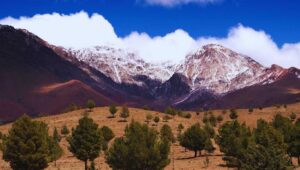 The biodiversity of the Atlas Mountains in Morocco is another reason to visit. In the Middle Atlas, cedar forests are home to the endangered Barbary macaque. Bird watchers can spot golden eagles, bearded vultures, and other rare species soaring above the peaks. Seasonal flowers, herbs, and aromatic plants also play an important role in local life, with many Berber families using them for culinary and medicinal purposes.
Getting There and When to Visit
The Atlas Mountains in Morocco are easily accessible from major cities such as Marrakech, Fez, and Agadir. From Marrakech, many valleys and trekking points can be reached in just a couple of hours by car. Organized tours, private drivers, and public buses make it possible for all budgets.
The best time to visit depends on the type of experience you’re seeking.
-
Spring (March to May): Ideal for trekking, with mild weather and blooming landscapes.
-
Summer (June to August): Cooler in the mountains than in the cities, making it a refreshing escape.
-
Autumn (September to November): Another excellent season for hiking, with clear skies and pleasant temperatures.
-
Winter (December to February): Best for skiing and experiencing the snow-covered peaks.
Why Visit the Atlas Mountains in Morocco?
The Atlas Mountains in Morocco are more than just a geographical feature; they are a living tapestry of landscapes, cultures, and experiences. For those who wish to see another side of Morocco beyond the bustling souks and desert dunes, the mountains provide an unforgettable journey.
Whether you are climbing Mount Toubkal, sipping tea in a Berber village, skiing in Oukaïmeden, or photographing the gorges and valleys, the Atlas Mountains in Morocco leave visitors with memories that last a lifetime. It is a destination where adventure meets culture, where ancient traditions coexist with natural beauty, and where every traveler can find a piece of Morocco that speaks directly to their heart.