
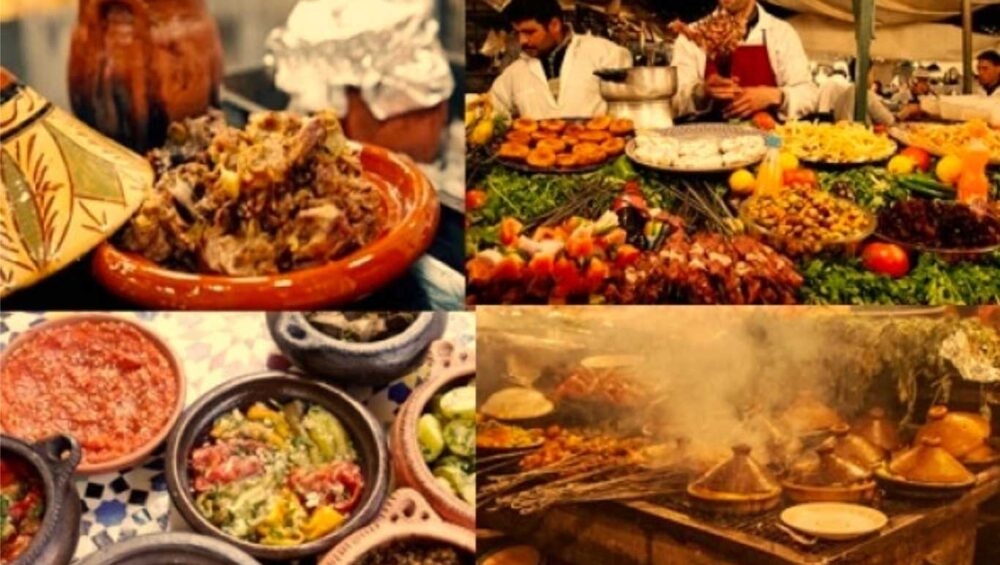
Moroccan food is one of the most celebrated cuisines in the world, known for its rich flavors, aromatic spices, and deep cultural roots. Influenced by Berber, Arab, Andalusian, and Mediterranean traditions, Moroccan dishes tell the story of a country that sits at the crossroads of Africa and Europe. Traveling through Morocco is not just about exploring bustling souks, majestic mountains, or the vast Sahara desert—it is also about savoring an unforgettable culinary adventure.
In this detailed guide, we will explore the history, flavors, and must-try experiences that make Moroccan food a treasure for travelers seeking authenticity. Whether you are wandering through the medina of Marrakech, enjoying seaside dining in Essaouira, or sharing a family meal in the Atlas Mountains, Moroccan food is always at the heart of the experience.
The Cultural Importance of Moroccan Food
Moroccan food is more than just nourishment—it is an essential part of daily life, hospitality, and social connection. In Moroccan culture, meals are often shared communally, with family members and guests gathering around a large dish placed in the center of the table. Eating together is seen as an expression of friendship, respect, and unity.
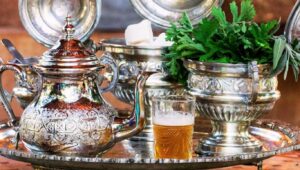
Hospitality is sacred in Morocco. Guests are traditionally welcomed with mint tea, sweetened with sugar and flavored with fresh mint leaves. This ritual sets the tone for the meal, symbolizing generosity and warmth. Serving food is also a way to honor others, and Moroccan families take pride in offering abundant meals filled with variety.
The Signature Flavors of Moroccan Food
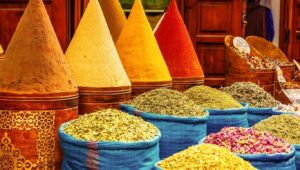
What makes Moroccan food truly unique is its masterful use of spices and herbs. Each dish blends sweet, savory, and spicy flavors in ways that are balanced and harmonious. Some of the most common spices in Moroccan cuisine include:
-
Cumin: earthy and slightly smoky
-
Cinnamon: warm and sweet, often used in savory dishes
-
Paprika: mild heat and rich color
-
Saffron: golden, aromatic threads that add depth to tagines
-
Turmeric: used for its color and subtle flavor
-
Ginger: adding a touch of sharpness
-
Ras el Hanout: a famous Moroccan spice mix that can contain up to 30 different spices
The combination of these spices creates a cuisine that feels exotic yet comforting. Moroccan food is also known for pairing dried fruits like apricots, prunes, and raisins with meats such as lamb and chicken, creating a perfect balance of sweet and savory.
Must-Try Moroccan Dishes
Travelers seeking to immerse themselves in Moroccan food should not miss the following iconic dishes:
1. Tagine
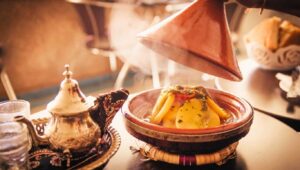
Perhaps the most famous of all Moroccan dishes, tagine refers both to the cooking pot and the dish itself. The conical clay pot allows steam to circulate, creating tender and flavorful stews. Tagines can be made with lamb, chicken, beef, or even vegetables, often paired with olives, preserved lemons, or dried fruits. Popular variations include:
-
Chicken with preserved lemon and green olives
-
Lamb with prunes and almonds
-
Vegetable tagine with chickpeas and seasonal produce
2. Couscous
Often considered Morocco’s national dish, couscous is traditionally prepared on Fridays, the holy day in Islam. Steamed semolina grains are served with vegetables, chickpeas, and slow-cooked meats, often topped with a flavorful broth. The dish is communal, with families gathering around a large platter to eat together.
3. Pastilla (Bastilla)
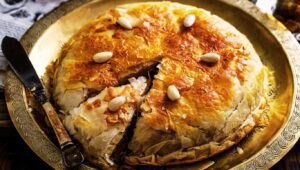
A true delicacy, pastilla is a savory-sweet pie that combines shredded chicken or pigeon with eggs, almonds, cinnamon, and sugar, all wrapped in layers of thin pastry called warqa. The combination of flavors makes it one of the most unique Moroccan food experiences.
4. Harira
This hearty soup is especially popular during Ramadan, when it is eaten to break the fast. Harira is made with tomatoes, lentils, chickpeas, lamb, and fresh herbs, offering comfort and nutrition after a long day of fasting.
5. Street Food Favorites
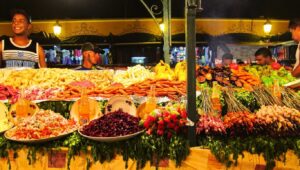
Travelers should not miss Moroccan street food, which adds another dimension to the culinary journey. From grilled brochettes to b’ssara (a fava bean soup served with olive oil and cumin), the bustling food stalls in cities like Marrakech and Fes are a paradise for adventurous eaters.
Moroccan Food and Regional Diversity
While Moroccan food has common elements throughout the country, each region brings its own specialties.
-
Marrakech: Famous for its bustling food markets, especially the legendary Jemaa el-Fnaa square where travelers can try lamb heads, snail soup, and grilled meats.
-
Fes: Known for refined dishes influenced by Andalusian traditions, including delicate pastries and pastilla.
-
Essaouira: A coastal town celebrated for its fresh seafood, including sardines, calamari, and lobster.
-
The Atlas Mountains: Home to Berber cuisine, where tagines and couscous are cooked over wood fires, often with simple but deeply satisfying ingredients.
-
The Sahara: Nomadic traditions influence the food here, with dishes like medfouna, also known as the “Berber pizza,” stuffed with meat and herbs.
The Sweet Side of Moroccan Food
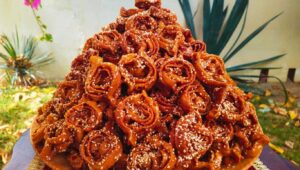
Desserts and sweets hold a special place in Moroccan culture, often served with tea. Moroccan pastries are known for their delicate layers, nut fillings, and use of honey and orange blossom water. Some must-try sweets include:
-
Chebakia: sesame cookies shaped like flowers, fried, and coated with honey
-
Kaab el Ghazal: crescent-shaped cookies filled with almond paste and flavored with orange blossom
-
Sellou: a nourishing mixture of roasted flour, sesame seeds, and almonds, often prepared for special occasions
Fresh fruit also plays an important role in Moroccan desserts. Oranges sprinkled with cinnamon and dates stuffed with almonds are simple yet delicious treats.
The Moroccan Tea Culture
No exploration of Moroccan food is complete without mentioning tea. Moroccan mint tea, often called “Moroccan whiskey” due to its central role in social life, is a symbol of hospitality. Green tea is brewed with fresh mint leaves and a generous amount of sugar, then poured from a height to create foam in the glass. The ritual of preparing and serving tea is as important as the taste itself.
Food as a Tourism Experience
For travelers, discovering Moroccan food goes beyond eating. It is an immersive experience that can include:
-
Cooking classes: Visitors can learn how to prepare tagines or bake traditional bread in clay ovens.
-
Food tours: Guided explorations of markets, street food, and local restaurants in cities like Marrakech or Casablanca.
-
Farm-to-table experiences: Staying with local families in rural areas to enjoy authentic home-cooked meals.
-
Market visits: Wandering through souks filled with colorful spices, olives, dried fruits, and fresh produce.
These experiences allow visitors to connect deeply with Moroccan culture, creating memories that last long after the trip ends.
Modern Influences on Moroccan Food
While Moroccan food is rooted in tradition, it is also evolving. Chefs in cities like Casablanca and Rabat are blending traditional recipes with modern culinary techniques, creating fusion dishes that appeal to both locals and tourists. International influences are also visible in Moroccan restaurants, with Mediterranean and French touches enhancing classic recipes.
Conclusion: The Timeless Appeal of Moroccan Food
Moroccan food is more than just a cuisine—it is a cultural journey that blends history, tradition, and flavor into every bite. From the fragrant spices of tagine to the comforting simplicity of harira, each dish reflects the diversity and richness of Morocco’s heritage.
For travelers, exploring Moroccan food is one of the most rewarding experiences, offering not only delicious meals but also a deeper understanding of Moroccan life and hospitality. Whether enjoyed in a bustling medina, a seaside café, or a Berber mountain village, Moroccan food leaves an unforgettable mark on every visitor.