
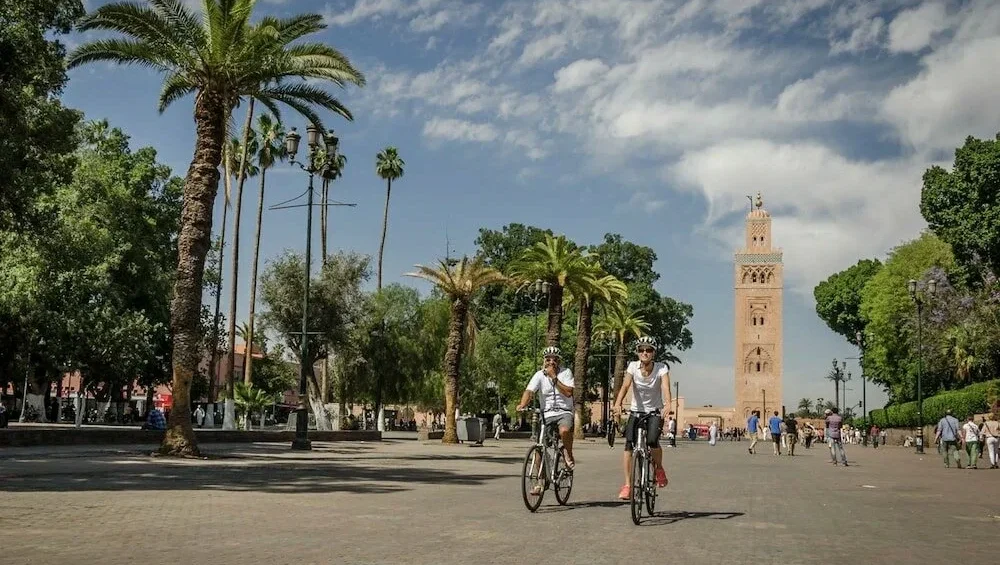
Marrakech is one of the most captivating destinations in North Africa, a city that awakens all the senses from the very first moment. Known worldwide as the ochre city, Marrakech is a place where history, culture, colors, aromas, and rhythms blend into an unforgettable travel experience. The nickname ochre city comes from the warm red and earth toned buildings that dominate the skyline, giving the city a glowing appearance, especially at sunrise and sunset. This distinctive color palette is not only architectural but also deeply symbolic, reflecting centuries of tradition and harmony with the surrounding landscape.
The Origins of the Ochre City
The title ochre city is rooted in history. Marrakech was founded in 1070 by the Almoravid dynasty, who used local clay and stone to construct walls, palaces, and mosques. These materials naturally produced shades of red, pink, and ochre, colors that remain strictly regulated even today. Walking through the city, visitors immediately notice how every structure seems to belong to a single unified vision, making the ochre city feel timeless and cohesive.
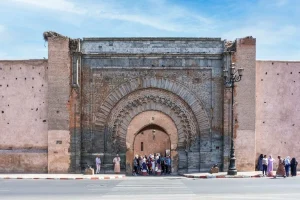
The ancient ramparts surrounding Marrakech stretch for nearly twenty kilometers and are among the most iconic features of the ochre city. These walls, glowing under the Moroccan sun, once protected caravans, traders, and royal courts. Today, they serve as a powerful reminder of the city’s strategic importance along historic trade routes connecting sub Saharan Africa to the Mediterranean world.
Jemaa el Fna and the Living Heart of the Ochre City
At the center of the ochre city lies Jemaa el Fna, one of the most famous public squares in the world and a UNESCO Intangible Cultural Heritage site. By day, the square buzzes with orange juice vendors, henna artists, snake charmers, and storytellers. By night, it transforms into an open air theater filled with food stalls, musicians, and performers.
Jemaa el Fna perfectly represents the soul of the ochre city. The square is not a museum frozen in time but a living space where traditions continue to evolve. The sounds of drums and flutes echo against the ochre walls, while the scent of grilled meat and spices fills the air. For many travelers, this square alone makes Marrakech unforgettable.
The Medina and Its Hidden Treasures
The Medina of Marrakech is the historic core of the ochre city, a maze of narrow alleys, hidden courtyards, and vibrant souks. Exploring the Medina feels like stepping back in time. Every turn reveals artisan workshops, traditional bakeries, and centuries old riads concealed behind modest doors.
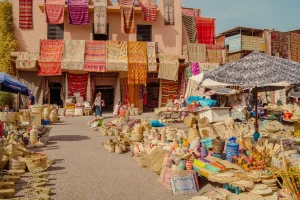
The souks are among the most fascinating attractions of the ochre city. They are organized by trade, with areas dedicated to leather, spices, textiles, metalwork, and ceramics. Shopping here is more than a transaction; it is a cultural exchange. Bargaining is expected and often accompanied by mint tea and friendly conversation.
Notable landmarks within the Medina include the Ben Youssef Madrasa, a masterpiece of Islamic architecture, and the Koutoubia Mosque, whose minaret dominates the skyline of the ochre. Although non Muslims cannot enter the mosque, its exterior and gardens are stunning examples of Almohad design.
Riads and Traditional Hospitality
One of the most authentic ways to experience the ochre city is by staying in a riad. These traditional Moroccan houses are built around an interior courtyard, offering tranquility amid the bustling streets outside. Many riads in the ochre have been lovingly restored and transformed into boutique guesthouses, combining historic charm with modern comfort.
Staying in a riad allows visitors to experience Moroccan hospitality at its finest. Breakfasts often include freshly baked bread, homemade jams, and local pastries. In the evenings, rooftops provide panoramic views of the ochre city, with the Atlas Mountains visible on clear days and the call to prayer drifting through the air.
Gardens and Green Spaces
Despite its desert proximity, the ochre city is home to beautiful gardens that offer peaceful escapes from the heat. The Majorelle Garden is perhaps the most famous, created by French painter Jacques Majorelle and later restored by Yves Saint Laurent. Its vivid blue structures contrast dramatically with lush greenery, offering a different yet complementary side of the city.-
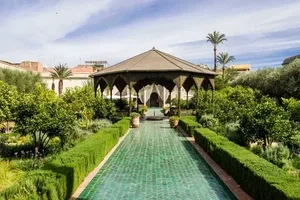
Other notable gardens include the Menara Gardens, with their iconic pavilion reflected in a large water basin, and the Agdal Gardens, which date back to the twelfth century. These green spaces demonstrate how water management and landscape design have long been central to life in the ochre city.
Cuisine of the Ochre City
Food is an essential part of the Marrakech experience, and the ochre city is a paradise for culinary explorers. Traditional dishes such as tagine, couscous, and tanjia are deeply rooted in local culture. Tanjia, in particular, is a specialty of Marrakech, slow cooked in clay pots and traditionally prepared by men.
Street food in the ochre city is equally rewarding. From msemen pancakes to snail soup, the variety reflects the city’s diverse influences. Cooking classes and food tours offer visitors a chance to learn about spices, techniques, and family recipes passed down through generations.
The Atlas Mountains and Desert Gateways
One of the reasons the ochre city is so popular is its strategic location. Marrakech serves as a gateway to the Atlas Mountains and the Sahara Desert. Within a short drive, travelers can reach mountain villages, waterfalls, and trekking routes that offer dramatic contrasts to the urban environment of the ochre city.
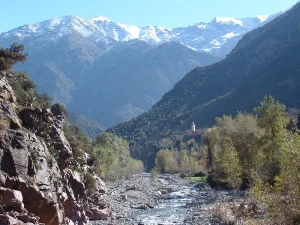
Day trips to the Ourika Valley or multi day excursions to the desert allow visitors to combine cultural discovery with natural beauty. Many journeys begin and end in the ochre city, reinforcing its role as a central hub for Moroccan adventure.
Modern Marrakech and Cultural Fusion
While deeply traditional, the ochre city is also modern and dynamic. Neighborhoods like Gueliz and Hivernage showcase contemporary architecture, art galleries, and international cuisine. This blend of old and new is one of the most appealing aspects of the ochre city.
Festivals, exhibitions, and music events throughout the year highlight Marrakech’s status as a cultural capital. The city attracts artists, designers, and entrepreneurs from around the world, all inspired by the energy and aesthetics of the ochre city.
Why the Ochre City Captivates Travelers
Marrakech is not just a destination; it is an experience that lingers long after departure. The ochre city captivates visitors through its colors, hospitality, history, and rhythm of life. Every sunrise paints the walls in warm tones, and every sunset deepens the city’s magical atmosphere.
Whether wandering through the Medina, sipping tea on a rooftop, exploring ancient palaces, or venturing into the surrounding landscapes, travelers find themselves immersed in a world that feels both ancient and alive. The ochre city offers endless layers to discover, making it a place that rewards curiosity and invites return visits.
In the end, Marrakech stands as a testament to Morocco’s rich heritage and creative spirit. As the ochre city, it continues to enchant travelers from all corners of the globe, offering a journey that is as emotional as it is visual, and as timeless as the earth toned walls that define its identity.