If you’re planning a trip to Morocco and considering trekking, one of the first questions that naturally comes to mind is… is it safe?
It’s a fair question. And honestly, it’s a good one.
The short answer is — yes, trekking can be very safe. But like any mountain destination, it depends on how you plan, where you go, and who you go with. Understanding atlas mountains safety isn’t about avoiding the experience… it’s about preparing for it properly.
The Atlas Mountains are not extreme in a technical sense, but they do involve altitude, changing weather, and remote areas. That’s why having the right guidance — especially through MT Toubkal Trek — makes the entire journey smoother and more secure.
Is Trekking in the Atlas Mountains Safe Overall?
Let’s address the main concern directly.
In general, atlas mountains safety is considered good when:
- You follow established routes
- You trek with a licensed guide
- You prepare properly
- You respect local conditions
Thousands of travelers complete treks every year without any issues — especially on popular routes like Mount Toubkal.
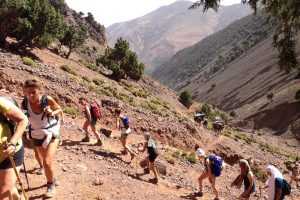
Understanding the Real Risks (And How to Manage Them)
Every trekking destination has risks. The Atlas Mountains are no different — but most risks are manageable.
1. Altitude & Physical Strain
One of the main factors affecting atlas mountains safety is altitude.
What to expect:
- High altitude (up to 4,167 m on Toubkal)
- Shortness of breath
- Fatigue
👉 Helpful resource:
How to stay safe:
- Ascend gradually
- Stay hydrated
- Take breaks
- Listen to your body
Most guided treks through MT Toubkal Trek include proper pacing and acclimatization.
2. Weather Conditions
Weather can change quickly in the mountains.
Conditions may include:
- Sudden temperature drops
- Wind at higher altitudes
- Snow (in winter)
👉 Check weather updates:
Safety tips:
- Always carry layers
- Pack waterproof gear
- Start early in the day
3. Navigation & Trails
Some routes are straightforward, but others are not clearly marked.
Risk factors:
- Getting lost
- Choosing incorrect paths
Solution:
- Trek with a guide
- Use established routes
👉 Recommended routes:
4. Terrain & Physical Difficulty
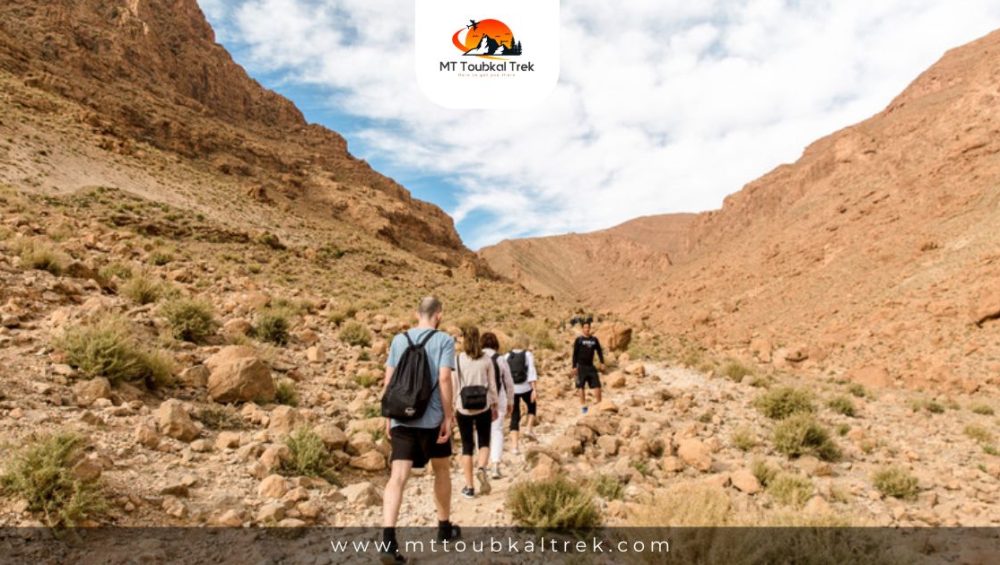
The terrain is not technical, but it can be demanding.
Expect:
- Rocky paths
- Steep climbs
- Uneven surfaces
Safety tips:
- Wear proper hiking shoes
- Use trekking poles
- Maintain a steady pace
5. Cultural & Local Environment
The Atlas Mountains are home to Amazigh (Berber) communities.
Good news:
- Locals are friendly and welcoming
- Tourism is well-established
👉 Cultural insight:
Tips:
- Dress modestly
- Respect local customs
- Be polite and open
Why Hiring a Guide Improves Safety
If there’s one thing that significantly improves atlas mountains safety, it’s hiring a professional guide.
Benefits of a guide:
- Navigation support
- Emergency assistance
- Local knowledge
- Route planning
👉 Most treks start from:
👉 Organized tours:
Safety on Mount Toubkal
Mount Toubkal is the most popular trekking destination — and also where safety matters most.
Is it safe?
Yes — if properly planned.
Key safety factors:
- Guided trekking is required
- Well-known route
- Mountain refuges available
👉 Full guide:
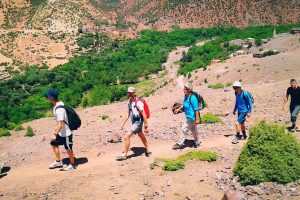
Best Time for Safe Trekking
Timing plays a big role in atlas mountains safety.
Spring (March–May)
- Stable weather
- Comfortable temperatures
Autumn (September–November)
- Clear skies
- Ideal trekking conditions
Winter (December–February)
- Snow conditions
- Requires experience
👉 Seasonal guide:
What to Pack for Safety
A proper packing list improves atlas mountains safety significantly.
Essentials:
- Hiking boots
- Warm layers
- Waterproof jacket
- Sunglasses
- First-aid kit
👉 Full packing guide:
Emergency Preparedness
Emergencies are rare, but it’s good to be prepared.
What helps:
- Travel insurance
- Guide support
- Basic first-aid knowledge
Solo Trekking vs Guided Trekking
Solo trekking:
- Not recommended for beginners
- Higher risk
Guided trekking:
- Safer
- Organized
- Stress-free
👉 Best option:
- Book through MT Toubkal Trek
Common Myths About Atlas Mountains Safety
❌ Myth 1: It’s dangerous
✔️ Reality: Safe with proper planning
❌ Myth 2: You need extreme fitness
✔️ Reality: Moderate fitness is enough
❌ Myth 3: It’s too remote
✔️ Reality: Popular routes are well-supported
FAQ
Is Atlas Mountains trekking safe for beginners?
- Yes, with guidance
Do I need a guide?
- Yes (especially for Toubkal)
Is Morocco safe for trekking?
- Yes, widely considered safe
What is the biggest risk?
- Altitude and weather
Key Takeaways
- Atlas mountains safety is generally good with proper planning
- Altitude and weather are the main factors
- Guided trekking significantly improves safety
- Proper gear is essential
- Best seasons → spring and autumn
- Mount Toubkal is safe with a guide
- Booking with MT Toubkal Trek ensures a smoother experience
Conclusion
So… is trekking in the Atlas Mountains safe? Yes — but more importantly, it’s manageable. Most of the concerns people have about atlas mountains safety come from uncertainty, not reality. Once you understand the terrain, the weather, and the structure of guided treks, things become much clearer.
It’s not about eliminating risk completely. It’s about preparing for it properly. And when you combine the right planning with the right support — especially through MT Toubkal Trek — what you’re left with isn’t fear… it’s confidence.