If you’re planning a trekking trip in Morocco, one of the first decisions you’ll face is choosing between the High Atlas and the Anti-Atlas. At first glance, they might sound similar — both part of the Atlas mountain system — but in reality, they offer completely different experiences.
Understanding the difference between high atlas vs anti atlas isn’t just helpful… it actually shapes your entire trip. The landscapes, difficulty levels, cultural encounters, and even the overall “feel” of the journey can change depending on which region you choose.
Some travelers want altitude, challenge, and iconic peaks. Others prefer quiet trails, warmer weather, and something less crowded. Neither is better — they’re just different. If you’re unsure where to start, planning your trek through MT Toubkal Trek helps match your experience level with the right region, route, and timing — without second-guessing everything.
Understanding the Atlas Mountain System
Before comparing high atlas vs anti atlas, it helps to understand the structure of the Atlas Mountains.
The Atlas range stretches across Morocco and is divided into:
- High Atlas Mountains
- Middle Atlas
- Anti-Atlas
For trekking purposes, most travelers focus on:
- High Atlas → for serious trekking
- Anti-Atlas → for quieter, alternative routes
👉 Overview:
High Atlas Mountains: What to Expect
The High Atlas is the most famous trekking region in Morocco — and for good reason.
Key characteristics:
- Highest peaks in North Africa
- Dramatic landscapes
- Well-established trekking routes
- Cooler temperatures at altitude
This is where you’ll find:
- Mount Toubkal (4,167 m)
- Deep valleys
- Traditional Berber villages
Most treks begin from:
Popular High Atlas Treks
👉 Full guide:
Best for:
- First-time trekkers (with guidance)
- Summit seekers
- Multi-day trekking adventures
- Cultural experiences
Anti-Atlas Mountains: What to Expect
Now, the Anti-Atlas… it’s very different. Less talked about, less crowded, and honestly — a bit more raw.
Key characteristics:
- Lower altitude mountains
- Dry, desert-like landscapes
- Warmer temperatures
- Fewer tourists
The Anti-Atlas offers a slower, quieter trekking experience.
What makes it unique:
- Granite rock formations
- Remote villages
- Open landscapes
- Minimal infrastructure
Compared to the High Atlas, it feels more… isolated.
High Atlas vs Anti-Atlas: Key Differences
This is where the comparison becomes clearer.
Elevation
- High Atlas → Very high (up to 4,167 m)
- Anti-Atlas → Much lower
👉 If altitude matters → High Atlas wins
Landscape
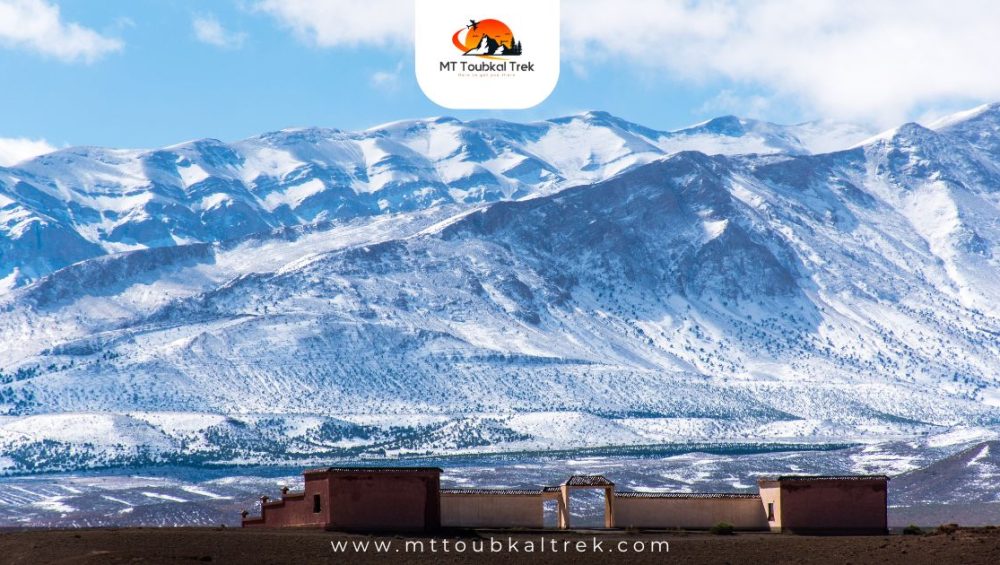
- High Atlas → Snow peaks, valleys, greenery
- Anti-Atlas → Dry mountains, desert scenery
👉 If you prefer greenery → High Atlas
👉 If you prefer desert vibes → Anti-Atlas
Trekking Difficulty
- High Atlas → Moderate to challenging
- Anti-Atlas → Easy to moderate
👉 For beginners → Anti-Atlas can feel easier
Popularity
- High Atlas → Very popular
- Anti-Atlas → Quiet and less crowded
👉 If you want solitude → Anti-Atlas
Cultural Experience
Both regions offer Amazigh (Berber) culture, but:
- High Atlas → More interaction (villages, guides)
- Anti-Atlas → More isolated communities
👉 Cultural insight:
Trekking Experience: High Atlas vs Anti-Atlas
When comparing high atlas vs anti atlas, the trekking experience feels completely different.
High Atlas Experience
- Structured routes
- Mountain refuges
- Guided treks
- Clear trails
👉 Often booked through:
- MT Toubkal Trek
Anti-Atlas Experience
- Less structured
- Fewer marked routes
- More independent trekking
- Raw landscapes
Accessibility and Travel
High Atlas:
- Easy access from Marrakech
- Popular routes start near city
👉 Options:
Anti-Atlas:
- More remote
- Requires longer travel
- Less tourist infrastructure
Best Time to Visit
Timing matters when comparing high atlas vs anti atlas.
High Atlas:
- Best → Spring & Autumn
- Winter → Snow trekking possible
👉 Guide:
Anti-Atlas:
- Best → Autumn & Winter
- Summer → Can be very hot
Which One Should You Choose?
This is the real question.
Choose High Atlas if you want:
- Iconic mountain experience
- Summit challenges
- Structured trekking routes
- Easier logistics
👉 Start here:
- MT Toubkal Trek
Choose Anti-Atlas if you want:
- Quiet trails
- Unique landscapes
- Fewer tourists
- Slower pace
Can You Combine Both?
Yes — and many travelers do.
Combination trips:
- High Atlas trekking + desert routes
- Cultural + landscape variation
👉 Explore options:
Packing Differences
Depending on high atlas vs anti atlas, your packing changes slightly.
High Atlas:
- Warm layers
- Gloves & hat
- Waterproof gear
Anti-Atlas:
- Light clothing
- Sun protection
- Hydration focus
FAQ
Is High Atlas harder than Anti-Atlas?
- Yes, generally
Which is better for beginners?
- Anti-Atlas (easier terrain)
Which is more popular?
- High Atlas
Can you do both in one trip?
- Yes
Key Takeaways
- High atlas vs anti atlas depends on your travel style
- High Atlas → higher altitude, more popular, structured trekking
- Anti-Atlas → quieter, warmer, less crowded
- High Atlas is ideal for summit seekers
- Anti-Atlas suits relaxed trekking
- Both offer unique cultural experiences
- Planning with MT Toubkal Trek simplifies route selection
Conclusion
Choosing between high atlas vs anti atlas isn’t about picking the “better” option. It’s about choosing the experience that fits you. Some travelers want the challenge — the altitude, the summit, the sense of achievement. That’s where the High Atlas stands out.
Others want space. Silence. Trails that feel untouched. That’s where the Anti-Atlas quietly wins. Either way, Morocco delivers something rare — mountains that still feel real. And if you want to experience them properly, without overthinking routes or logistics, organizing your journey through MT Toubkal Trek helps turn a good trip into a smooth, well-planned adventure.