
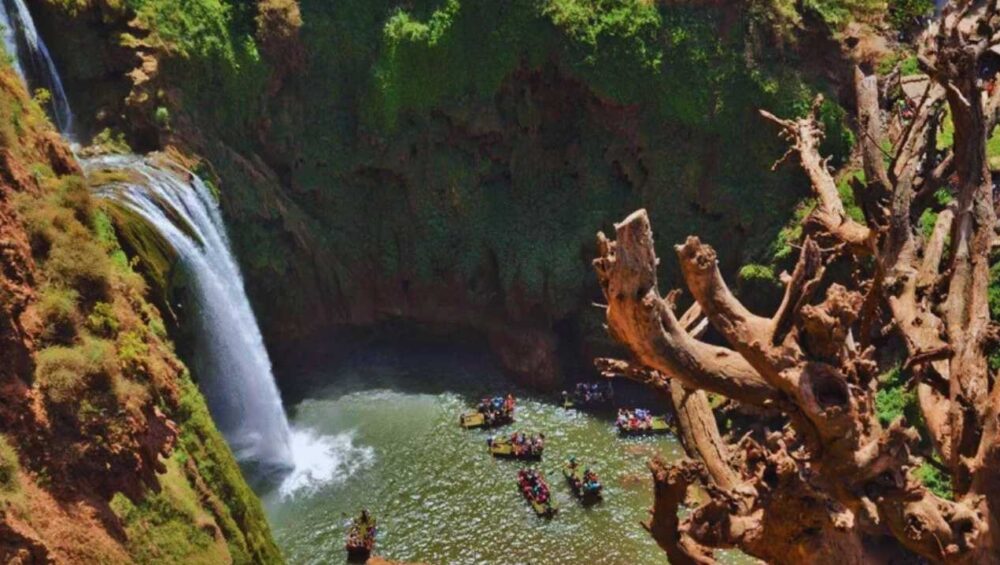
Hidden in the heart of the Atlas Mountains, Ouzoud Waterfalls stand as one of Morocco’s most breathtaking natural treasures. Located about 150 kilometers northeast of Marrakech, in the Azilal province, these majestic cascades plunge over 110 meters into the deep gorge of the El-Abid River. The name “Ouzoud” comes from the Berber word meaning “the act of grinding grain,” a reference to the old mills once powered by the falls’ flowing waters. Today, Ouzoud Waterfalls are among the most photographed destinations in the country and a must-visit for anyone exploring Morocco.
A Natural Masterpiece in the Atlas Mountains
The Ouzoud Waterfalls are not just a single fall but a series of cascading tiers that create a mesmerizing spectacle of mist, rainbows, and roaring water. Surrounded by red cliffs and olive groves, the landscape is rich with contrasts — the lush greenery of the valley meets the warm, earthy tones of the Atlas foothills. The total height of the falls reaches around 110 meters (360 feet), making it the tallest waterfall in North Africa and the second tallest in Africa. The largest drop alone measures 75 meters, producing a thunderous yet soothing sound that fills the valley.
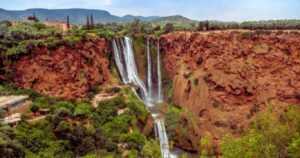
From the top viewpoint, visitors can gaze upon the Ouzoud Waterfalls as they plunge dramatically into the gorge, where small boats and swimming pools await at the base. The area is also home to olive trees, fig trees, and a variety of wild flora that attract birds, butterflies, and Barbary macaques — the famous local monkeys that have become icons of the site.
How to Reach Ouzoud Waterfalls from Marrakech
Reaching Ouzoud Waterfalls is relatively easy, making them one of the best day trips from Marrakech. Travelers can get there in several ways:
-
By Car: The drive from Marrakech takes about two and a half hours. You’ll follow the N8 highway northeast before connecting to the R208 towards the town of Azilal and then on to Ouzoud. The road is scenic, winding through valleys, mountains, and Berber villages. Parking is available near the entrance for a small fee (10–20 MAD).
-
By Public Transport: Adventurous travelers can take a shared grand taxi from Marrakech to Azilal (around 50 MAD), then transfer to another taxi to Ouzoud (about 25 MAD). While it’s more time-consuming, it offers a glimpse into everyday Moroccan life.
-
By Organized Tour: For convenience, many choose a guided day tour from Marrakech. These tours start at around 275 MAD per person and include transportation in a comfortable minibus, hotel pickup, and sometimes a local guide at the site.
-
By Hitchhiking or Motorbike: For the more daring, hitchhiking or riding a motorbike to Ouzoud Waterfalls is possible and offers an authentic experience of Morocco’s countryside.
Exploring Ouzoud Waterfalls
Once you arrive, you’ll find that the Ouzoud Waterfalls area is well-organized yet retains its rustic charm. The trail from the upper viewpoint to the base of the falls winds through olive groves, small cafés, and artisan stalls selling local products like argan oil and Berber handicrafts.
1. Walking Trails
The main walking path begins at the top of the falls and descends to the base through a cemented walkway lined with souvenir shops and restaurants. The entire round-trip hike takes about 30 to 40 minutes at a leisurely pace. You can explore freely without a guide, but some tour operators include local guides who share cultural and ecological insights.
2. Boat Rides
At the bottom of the falls, you can hop on a small wooden raft for about 20 MAD. These boats take you close to the spray of the Ouzoud Waterfalls, offering a thrilling experience and perfect photo opportunities. Expect to get wet — so bring a rain jacket or water-resistant gear.
3. Swimming
During the warmer months, usually between May and September, swimming in the natural pools beneath the Ouzoud Waterfalls is an unforgettable experience. The cool turquoise water provides a refreshing escape from Morocco’s heat.
4. Meeting the Barbary Monkeys
The Barbary macaques of Ouzoud Waterfalls are among its most endearing residents. They roam freely among the olive trees, occasionally approaching visitors with curiosity. However, tourists are advised not to feed them, as keeping them wild is important for their protection.
When to Visit Ouzoud Waterfalls
The Ouzoud Waterfalls can be visited all year round. Each season offers a different atmosphere:
-
Spring (March–May): Ideal for lush scenery and pleasant temperatures.
-
Summer (June–August): The busiest season when visitors can swim at the base, though crowds can be large.
-
Autumn (September–November): Quieter with warm colors and comfortable weather.
-
Winter (December–February): Fewer tourists and fuller waterfalls due to rainfall — though swimming may be too cold.
Early mornings and weekdays are the best times to enjoy Ouzoud Waterfalls with fewer crowds and soft lighting for photography.
Dining and Accommodation Near Ouzoud Waterfalls
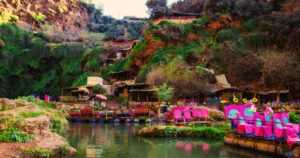
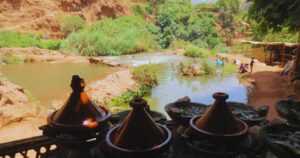
There are plenty of restaurants and cafés scattered along the hiking paths and near the river. They serve traditional Moroccan dishes such as tagine, couscous, and fresh salads. Many eateries offer terrace seating with panoramic views of the Ouzoud Waterfalls, making for an unforgettable dining experience.
If you wish to stay overnight, several guesthouses and eco-lodges are available nearby. Some popular options include Riad Cascade d’Ouzoud, Maison d’Hôtes Aït Attab, and eco-friendly lodges overlooking the gorge. Staying overnight allows you to experience the peace of the waterfalls at dawn and dusk, long after most tourists have left.
Photography Tips at Ouzoud Waterfalls
The Ouzoud Waterfalls offer countless spots for breathtaking photos. The best vantage point is from the terrace of a hotel currently being built on the upper cliffs, where you can capture the full panorama of the falls. Early morning and late afternoon light provide the best contrast and color for photos. Don’t forget to include the rainbows that often appear in the mist — they’re part of the magic of Ouzoud Waterfalls.
Local Culture and Sustainability
The area around Ouzoud Waterfalls is inhabited by Berber communities, known for their hospitality and traditional way of life. Local villagers have created cooperatives that sell handmade crafts, olive oil, and natural soaps. The Imlil Village Association model — promoting eco-tourism and responsible development — has inspired similar community initiatives in Ouzoud. Visitors are encouraged to respect local customs, minimize waste, and support local businesses to preserve the natural and cultural beauty of the site.
Tips for Visiting Ouzoud Waterfalls
-
Bring good walking shoes: The trails can be steep and rocky.
-
Carry cash: ATMs are rare in the area.
-
Protect your camera: The mist near the base can be strong.
-
Avoid scams: Some unofficial guides may demand payment after the tour — confirm details in advance.
-
Stay hydrated and wear sunscreen: The Moroccan sun can be intense, even in the mountains.
The Magic of Ouzoud Waterfalls at Sunset
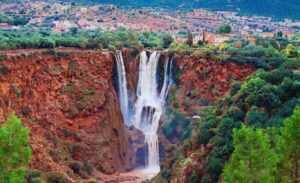
As the day ends, the Ouzoud Waterfalls glow in golden light, and the sound of cascading water echoes through the valley. The cliffs turn shades of red and orange, and the monkeys retreat into the trees. Watching the sunset from one of the terraces overlooking the gorge is a truly mesmerizing experience — a perfect ending to a day spent in one of Morocco’s natural wonders.
Why You Should Visit Ouzoud Waterfalls
Whether you’re an adventurer seeking hiking trails, a photographer chasing the perfect shot, or a traveler looking to escape the bustle of Marrakech, Ouzoud Waterfalls promise an unforgettable journey. This paradise of water, rock, and greenery reveals a side of Morocco that few expect — lush, cool, and full of life.
From the thunderous roar of the cascades to the laughter of monkeys in the treetops, every sound and sight at Ouzoud Waterfalls tells a story of nature’s harmony and Morocco’s vibrant soul. Visiting this stunning natural site is more than a day trip; it’s an immersion into the beauty and spirit of the Moroccan landscape.