When travelers think of Morocco, images of bustling souks, colorful spices, and the breathtaking Sahara Desert often come to mind. But beyond the golden dunes and starry skies lies another dimension of Morocco’s charm — its incredible biodiversity. Among the sand, rocky plateaus, and oases lives a surprising variety of wildlife, collectively referred to as animals the desert. For nature enthusiasts and adventurous souls, exploring Morocco’s deserts is not just about camel rides and campfires; it is also about encountering the fascinating species that have adapted to survive in one of the world’s harshest environments.
This article takes you on a detailed journey through the Moroccan deserts, showcasing the most iconic animals, the ecosystems they inhabit, and how visitors can respectfully experience them during their travels.
The Moroccan Desert Ecosystem
Morocco is home to several desert landscapes, from the immense Sahara Desert in the southeast to the stony Agafay Desert near Marrakech. Each ecosystem harbors unique wildlife, all remarkably adapted to the extreme temperatures and scarcity of water. During the day, the scorching sun forces many animals into hiding, while the cool nights invite them out for foraging.
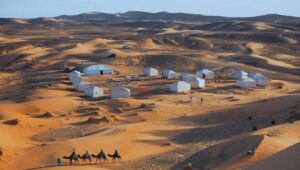
When speaking of animals the desert, it is important to note that survival here requires ingenious adaptations — from camels storing fat in their humps to reptiles burrowing beneath the sand to escape the heat. These survival tactics make desert wildlife not only fascinating but also vital to the ecological balance of Morocco’s arid regions.
Iconic Desert Animals in Morocco
1. The Dromedary Camel
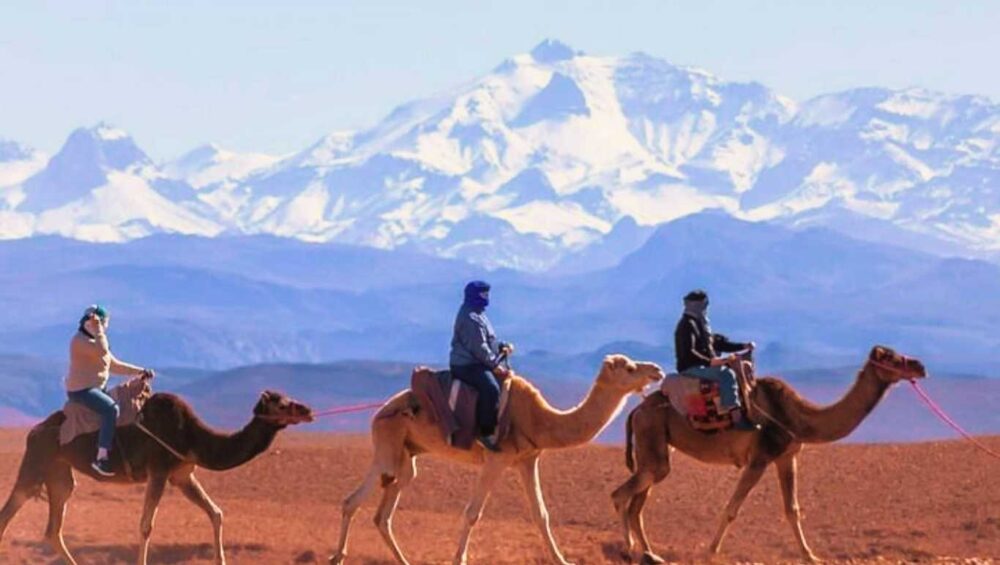
Known as the “ship of the desert”, the dromedary camel is the most recognizable symbol of the Sahara. These animals are not just a tourist attraction but a lifeline for nomadic tribes who rely on them for transportation, milk, and even companionship. With their ability to travel long distances without water, camels represent the resilience of animals the desert.
Visitors often enjoy camel treks across the dunes of Merzouga or Zagora, offering an authentic way to connect with the desert’s heritage.
2. The Fennec Fox
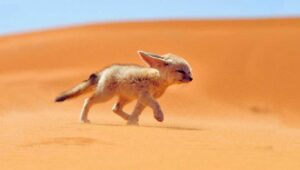
Small yet captivating, the fennec fox is another highlight among Morocco’s desert inhabitants. Recognizable by its oversized ears, this nocturnal predator uses its acute hearing to detect prey beneath the sand. Tourists rarely spot the fennec in the wild due to its shy nature, but its presence embodies the mysterious charm of animals the desert.
3. Desert Reptiles
Reptiles thrive in Morocco’s dry landscapes, from geckos to monitor lizards. One particularly notable species is the horned viper, a snake with unique scales above its eyes that help it camouflage in the sand. Watching these creatures move effortlessly across dunes reminds travelers how diverse animals the desert truly are.
4. Desert Birds
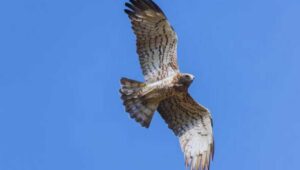
Birdwatchers find Morocco’s deserts especially rewarding. Migratory species often stop in oases, while residents like the desert sparrow and Egyptian vulture dominate the skies. These birds rely on limited resources yet maintain a delicate balance within the ecosystem. For many travelers, observing desert birds highlights how interconnected animals the desert are with the land’s fragile resources.
5. Insects and Arthropods
Though often overlooked, insects play a critical role in desert life. From beetles that collect dew on their shells to scorpions that glow under ultraviolet light, these tiny creatures remind us that animals the desert come in all shapes and sizes.
Experiencing Animals of the Desert as a Tourist
Tourism in Morocco offers many ways to observe wildlife responsibly. While desert animals may be elusive, travelers who know where to look can enjoy unforgettable encounters.
Camel Trekking Adventures
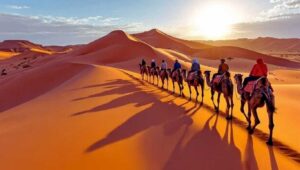
Most desert tours include camel rides, but beyond being an activity, they allow tourists to appreciate the importance of camels in Moroccan culture. Understanding their role as part of animals the desert adds depth to the journey.
Nighttime Desert Walks
Since many creatures are nocturnal, guided night walks are one of the best opportunities to spot desert foxes, jerboas, or owls. Tour operators in Merzouga and Erg Chebbi often organize these experiences, giving travelers insight into how animals the desert behave after sunset.
Birdwatching in Oases
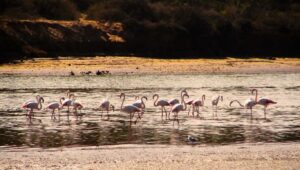
The oases of Tafilalt and Skoura are ideal for birdwatching. Here, visitors may see migratory birds resting among palm groves. Such areas show how water sources act as lifelines for animals the desert.
Eco-Responsible Desert Tourism
To preserve desert biodiversity, travelers are encouraged to support eco-responsible operators. Respecting habitats, avoiding litter, and not disturbing animals ensures future generations can continue to enjoy Morocco’s unique wildlife.
Cultural Connections with Desert Animals
In Moroccan traditions, animals the desert are deeply tied to cultural heritage. For centuries, nomadic tribes like the Berbers have coexisted with camels, goats, and sheep in the arid landscapes. Folk tales often feature foxes and snakes, symbolizing intelligence and resilience. Even in modern Morocco, desert festivals sometimes highlight animals as part of rituals or displays of heritage.
The Future of Desert Wildlife
Despite their remarkable adaptations, animals the desert face increasing threats from climate change, habitat loss, and over-tourism. Rising temperatures and shrinking water sources make survival harder for many species. Conservation initiatives in Morocco are now focusing on protecting fragile ecosystems, ensuring that desert wildlife continues to thrive.
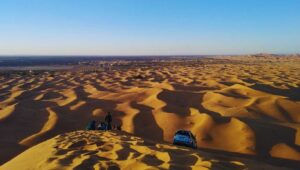
For tourists, this means more emphasis on responsible travel — choosing tours that respect animal welfare, avoiding activities that exploit wildlife, and learning about conservation projects.
Why Desert Wildlife Matters to Tourism
Tourism is often focused on Morocco’s cultural treasures, but the desert’s biodiversity adds another layer of authenticity to the experience. Observing animals the desert not only enriches travel but also helps visitors appreciate the resilience of life in extreme conditions. For photographers, wildlife adds drama and depth to the already mesmerizing desert scenery. For families, it provides educational moments that children remember for a lifetime. And for adventure seekers, encountering desert wildlife becomes a story worth telling.
Practical Tips for Travelers
-
Best Time to Visit: Spring (March–May) and autumn (September–November) offer the most comfortable temperatures for exploring desert wildlife.
-
What to Pack: Lightweight clothing, sturdy shoes, binoculars, and a flashlight for night walks.
-
Guides Matter: Always book with local guides who understand the desert and know where to responsibly spot animals the desert.
-
Respect Wildlife: Never feed or chase animals. Remember that their survival depends on conserving energy and resources.
-
Stay Hydrated: Just like desert animals, humans must adapt to the heat — carry enough water at all times.
Conclusion
The Moroccan desert is more than just dunes and starry nights. It is a living landscape where camels, foxes, birds, reptiles, and insects have all found ingenious ways to survive. By seeking out and appreciating animals the desert, travelers gain a deeper understanding of Morocco’s ecological and cultural richness.
For those looking to combine adventure with learning, the desert offers an unforgettable experience. From camel treks to nocturnal wildlife encounters, every moment spent among animals the desert reveals a story of survival, resilience, and beauty. As tourism grows, it is our collective responsibility to ensure that these incredible creatures remain a vital part of Morocco’s desert charm for generations to come.