There’s a moment that many travelers remember — not from the summit, not from the views, but from a quiet village somewhere in the mountains. You’re sitting on a simple rug. A glass of mint tea is placed in front of you. There’s no rush, no noise… just conversation, mountains, and a rhythm of life that feels completely different.
That’s the real experience of the berber villages atlas mountains. While trekking in Morocco is often associated with peaks like Mount Toubkal, the heart of the journey is actually found in these villages. They’re not tourist attractions — they’re living communities with deep traditions, strong identity, and a way of life that has remained largely unchanged for generations.
If you’re planning to explore the Atlas Mountains, understanding this cultural side will completely change how you experience the trek. And if you travel with MT Toubkal Trek, these interactions become a natural part of the journey — not something staged or rushed.
Who Are the Berbers (Amazigh People)?
Before diving deeper into the berber villages atlas mountains, it’s important to understand who the Berbers — or Amazigh people — are.
Key facts:
- Indigenous people of North Africa
- History going back thousands of years
- Strong cultural identity
- Unique language (Tamazight)
Where they live:
- Atlas Mountains
- Rural valleys
- Remote regions
👉 Cultural overview:
Life in Berber Villages (What You’ll Notice First)
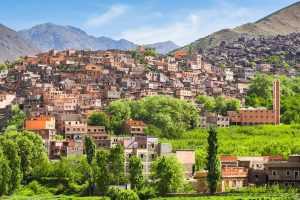
Life in the berber villages atlas mountains is simple — but not in a negative way. It’s structured around community, nature, and daily routines.
Daily life includes:
- Farming on terraced land
- Herding animals
- Cooking traditional meals
- Gathering as families
What stands out:
- No rush
- Strong community bonds
- Connection to land
👉 Experience this during:
Architecture of Berber Villages
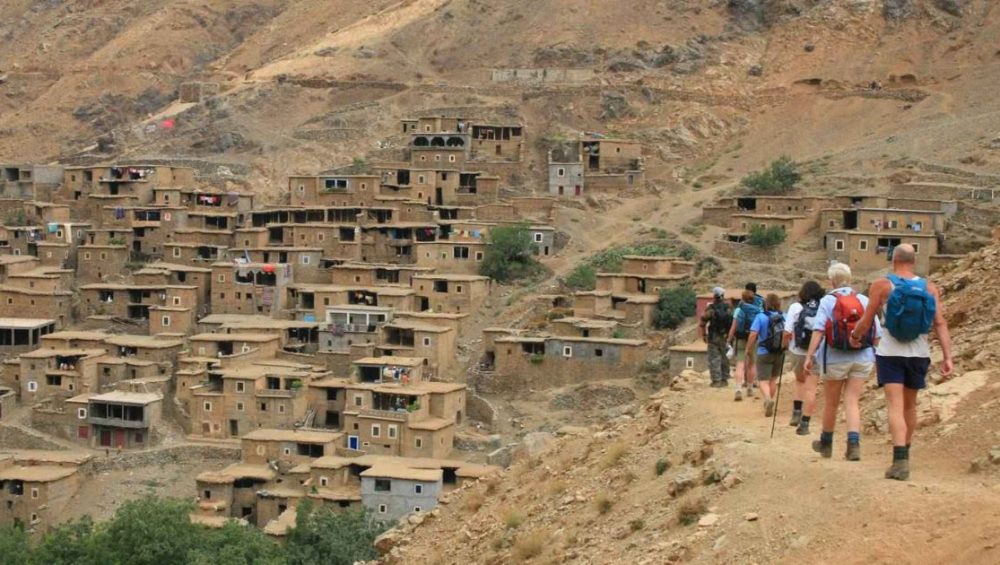
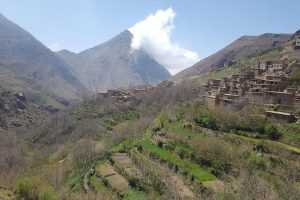
One of the first things you’ll notice is how villages blend into the landscape.
Typical features:
- Stone or mud-brick houses
- Flat roofs
- Earth-toned colors
Why this design?
- Keeps homes cool in summer
- Warm in winter
- Uses local materials
👉 Seen in:
Hospitality: The Heart of Berber Culture
If there’s one thing that defines the berber villages atlas mountains, it’s hospitality.
What to expect:
- Warm welcome (even from strangers)
- Tea offered immediately
- Invitations into homes
The tea tradition:
- Mint tea is symbolic
- Served multiple times
- Represents friendship and respect
👉 Cultural trekking routes:
Food in Berber Villages
Food is simple, fresh, and made with local ingredients.
Common dishes:
- Tagine (slow-cooked stew)
- Couscous
- Fresh bread
What makes it special:
- Cooked traditionally
- Shared with family
- No processed food
Language & Communication
Language plays an important role in the berber villages atlas mountains.
Spoken languages:
- Tamazight (local language)
- Arabic
- Some French
For travelers:
- Basic English is sometimes spoken
- Guides help bridge communication
👉 Organized tours:
Role of Women in Berber Villages
Women play a central role in village life.
Responsibilities:
- Cooking
- Farming
- Household management
- Raising children
Cultural aspect:
- Strong but often private roles
- Deep involvement in daily life
Religion & Traditions
Islam is the main religion in the Atlas Mountains.
Cultural practices:
- Daily prayers
- Ramadan fasting
- Religious celebrations
Important note:
- Visitors should respect traditions
- Dress modestly
👉 Cultural etiquette guide:
Festivals & Celebrations
Even in remote villages, celebrations are important.
Events include:
- Weddings
- Harvest festivals
- Religious holidays
What makes them unique:
- Music
- Dancing
- Community gatherings
How Trekking Connects You to Village Life
The best way to experience the berber villages atlas mountains is not by driving — but by walking.
During treks:
- You pass through villages
- Stay in local guesthouses
- Share meals with families
👉 Starting point:
👉 Popular routes:
Cultural Do’s and Don’ts
Understanding behavior is key when visiting berber villages atlas mountains.
Do:
- Greet politely
- Accept tea
- Ask before taking photos
Don’t:
- Wear revealing clothing
- Enter homes uninvited
- Be disrespectful to traditions
Modern Changes in Berber Villages
Things are slowly changing.
You may notice:
- Solar panels
- Mobile phones
- Improved roads
But still:
- Traditional lifestyle remains strong
- Culture is preserved
Why This Cultural Experience Matters
Many people come for trekking…
But what they remember most is the people.
The real value of berber villages atlas mountains:
- Human connection
- Cultural understanding
- Slower pace of life
Why Travel with MT Toubkal Trek?
Experiencing villages the right way matters.
With MT Toubkal Trek, you get:
- Authentic interactions
- Local guides
- Respectful cultural access
- Well-planned routes
FAQ
What are Berber villages in Atlas Mountains?
- Traditional Amazigh communities
Can tourists visit Berber villages?
- Yes, especially during trekking
Is it safe to stay in villages?
- Yes, very safe and welcoming
Do people speak English?
- Sometimes, but guides help
Key Takeaways
- Berber villages atlas mountains offer authentic cultural experiences
- Hospitality is a core part of Berber life
- Villages are built using natural materials
- Food is simple and traditional
- Trekking is the best way to explore villages
- Cultural respect is essential
- Traveling with MT Toubkal Trek enhances the experience
Conclusion
The Atlas Mountains are beautiful — no doubt about that. But what makes them unforgettable… is the people. The berber villages atlas mountains are not just stops along the way. They are the heart of the journey. They slow you down, ground you, and show you a different way of living. And once you’ve experienced that — even briefly — it stays with you.
If you want that experience to feel real, respectful, and meaningful, traveling with MT Toubkal Trek ensures you don’t just pass through the mountains… you actually connect with them.