The Atlas Mountains Morocco are far more than a rugged chain of peaks; they are the living heart of Morocco’s history, culture, and natural wonders. Stretching across the country, these mountains are home to ancient kasbahs perched on hillsides, winding canyons carved by time, and trails that connect travelers with the traditions of the Berber people. To explore them is to step into a world where the timeless and the contemporary coexist, where every stone and valley tells a story of endurance and beauty.
This article will take you on a detailed journey through kasbahs and canyons, while tracing the trails that make the Atlas Mountains Morocco one of the world’s most captivating travel destinations.
The Allure of the Atlas Mountains Morocco
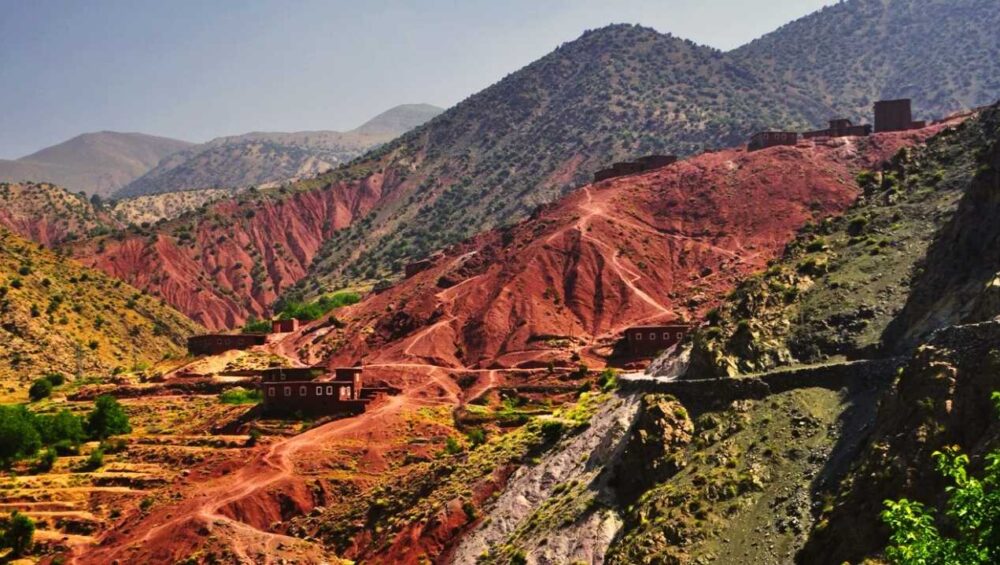
The Atlas Mountains Morocco span over 2,500 kilometers, cutting across three main sections: the High Atlas, Middle Atlas, and Anti-Atlas. Each region has its own unique character, landscapes, and traditions. The High Atlas is home to Mount Toubkal, the tallest peak in North Africa at 4,167 meters. The Middle Atlas offers cedar forests and lakes, while the Anti-Atlas captivates visitors with its desert-like, rocky terrain.
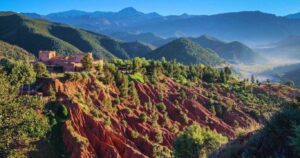
Despite these differences, all sections share one element: their timeless charm. Ancient kasbahs, mud-brick fortresses, and deep valleys shaped by rivers showcase the resilience of both the landscape and the people who have lived here for centuries. Traveling through the Atlas Mountains Morocco is not just a scenic experience — it’s an immersion into history, culture, and nature.
Kasbahs: Guardians of History and Heritage
Kasbahs are fortified homes or palaces that were once built to protect families, communities, and trade routes. In the Atlas Mountains Morocco, they are among the most iconic architectural features. Their thick earthen walls blend harmoniously with the surrounding landscapes, making them appear as though they have grown out of the mountains themselves.
Kasbah Aït Ben Haddou
Perhaps the most famous kasbah in Morocco, Aït Ben Haddou is a UNESCO World Heritage Site. Located along the former caravan route between Marrakech and the Sahara, it has appeared in films such as Gladiator and Game of Thrones. Walking through its narrow alleys, visitors can imagine the centuries of traders and travelers who passed through.
Kasbah Telouet
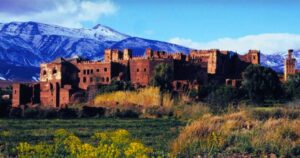
Tucked away in the High Atlas, Kasbah Telouet is a lesser-known gem. Once the stronghold of the powerful Glaoui family, it boasts exquisite zellij tilework and ornate ceilings, even as parts of it crumble to time. Visiting this kasbah offers a more intimate and less crowded experience.
Kasbah du Toubkal
High above the village of Imlil, the Kasbah du Toubkal has been transformed into a sustainable guesthouse. It offers a unique way to stay within the Atlas Mountains Morocco, combining traditional architecture with modern hospitality. The kasbah also supports local community projects, making it a perfect example of responsible tourism.
Kasbahs are not only historical structures; they are living reminders of Morocco’s ability to blend tradition with modernity. They embody the resilience of mountain communities and their ability to thrive in challenging environments.
Canyons: The Sculpted Wonders of the Atlas
The canyons of the Atlas Mountains Morocco are nature’s grand artwork, carved by rivers and time. They offer some of the most dramatic landscapes in the country, attracting hikers, climbers, and photographers.
Todra Gorge
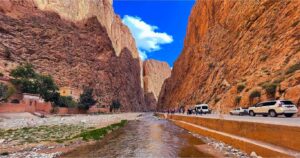
Located on the eastern side of the High Atlas, Todra Gorge is a spectacular canyon with walls rising up to 300 meters. The gorge is famous for rock climbing, but even casual visitors will be amazed by its sheer cliffs and the river winding through its base. Walking through Todra is like stepping into a natural cathedral of stone.
Dades Gorge
Not far from Todra lies the Dades Gorge, another stunning canyon known for its winding road nicknamed the “road of a thousand kasbahs.” Along the gorge, visitors encounter dramatic rock formations, lush oases, and traditional Berber villages. The contrast between arid cliffs and green valleys is one of the highlights of traveling through the Atlas Mountains Morocco.
Ziz Valley and Gorge
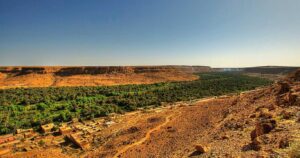
Stretching from the Middle Atlas into the Sahara, the Ziz Valley combines canyon-like landscapes with palm-filled oases. The region has been a historic trade route, connecting Morocco’s interior to the desert and beyond. Today, it is a favorite stop for travelers heading toward the dunes of Merzouga.
Tracing the Timeless Trails
The trails of the Atlas Mountains Morocco are as old as the mountains themselves. They connect villages, kasbahs, and valleys, carrying stories of trade, migration, and survival. Today, these trails have become a paradise for trekkers and adventurers.
Mount Toubkal Trek
The most iconic trail is the trek to the summit of Mount Toubkal. Starting from Imlil, the ascent usually takes two to three days, passing through valleys, ridges, and finally to the breathtaking summit. The views from the top stretch across the Atlas to the Sahara, making it one of the most rewarding hikes in the world.
The Valley of Aït Bouguemez (The Happy Valley)
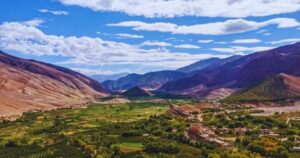
Known as the Happy Valley, Aït Bouguemez offers some of the most beautiful trekking routes in the Central High Atlas. Wide green fields, surrounded by towering peaks, provide a perfect balance of cultural immersion and natural beauty. Villagers here still follow traditional farming practices, and visitors are welcomed with warmth.
Nomadic Trails of the Anti-Atlas
In the southern stretches of the Atlas Mountains Morocco, trails cross stark, rocky landscapes where nomadic families still migrate with their herds. Trekking here offers a glimpse into a way of life that has remained unchanged for centuries, far removed from modernity.
The Berber Experience
No journey through the Atlas Mountains Morocco is complete without engaging with Berber culture. The Amazigh people, as they call themselves, are the guardians of the mountains. Their traditions, music, cuisine, and language are deeply tied to the land.
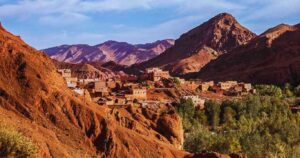
Visitors can stay in Berber guesthouses, share meals of tagine and freshly baked bread, or sip sweet mint tea while listening to stories of the mountains. Markets in mountain towns like Asni and Imilchil are also windows into daily life, filled with colorful produce, handmade crafts, and the rhythm of local trade.
Activities Beyond Trekking
While trekking is the most popular way to explore, the Atlas Mountains Morocco offer many other activities:
-
Mountain biking: The rugged trails are perfect for adventurous cyclists.
-
Skiing: Oukaimeden, Africa’s highest ski resort, offers a unique winter experience.
-
Birdwatching: The cedar forests of the Middle Atlas are home to numerous bird species.
-
Photography: From sunrise over kasbahs to sunset in the gorges, the mountains are a photographer’s dream.
Practical Travel Tips
-
When to Visit: Spring (March–May) and autumn (September–November) are the best seasons for trekking. Winter is ideal for skiing, while summer offers a cool escape from the cities.
-
Getting There: Marrakech is the main gateway to the High Atlas, while Fez provides access to the Middle Atlas. The Anti-Atlas is reachable from Agadir.
-
Guides: Hiring a local guide enriches the experience and supports the local economy.
-
What to Pack: Good hiking boots, layered clothing, and sunscreen are essential for changing mountain weather.
Conclusion: A Journey Through Time
Exploring the Atlas Mountains Morocco is like walking through a living museum where nature and history intertwine. The kasbahs stand as guardians of heritage, the canyons showcase the artistry of nature, and the trails connect travelers to the timeless rhythm of Berber life.
From the mighty walls of Aït Ben Haddou to the dramatic cliffs of Todra Gorge, every step reveals another layer of Morocco’s soul. The mountains are not just a destination — they are an experience, one that lingers long after the journey ends.
For those seeking a travel adventure that combines culture, history, and natural beauty, the Atlas Mountains Morocco are unmatched. To trace the timeless trails of kasbahs and canyons here is to discover a Morocco that is both ancient and alive, welcoming and wild, mysterious and unforgettable.