When planning a trip to Morocco, one question frequently appears in online searches and travel forums: is Marrakech dangerous? The phrase marrakech dangerous has become a popular keyword, often fueled by viral videos, sensational headlines, or isolated traveler experiences shared on social media. But does this reputation reflect reality, or is it an oversimplification of a complex, vibrant destination?
Marrakech is one of North Africa’s most visited cities, attracting millions of tourists every year. It is a city of contrasts, where ancient traditions meet modern tourism, where luxury riads coexist with chaotic souks, and where unforgettable hospitality exists alongside cultural misunderstandings. To understand whether Marrakech is dangerous, it is essential to explore the topic with nuance, facts, and real context.
This article offers a detailed, honest, and balanced perspective on safety in Marrakech, helping travelers separate myth from reality and prepare for a confident, enjoyable visit.
Why Do People Search for “Marrakech Dangerous”?
The keyword marrakech dangerous often trends because Marrakech is intense, not because it is inherently unsafe. Many first-time visitors come from calm, structured environments and are unprepared for the city’s sensory overload. The crowded medina, aggressive sales tactics, loud traffic, and unfamiliar customs can feel overwhelming.
In addition, Marrakech is frequently featured in travel warning discussions due to:
-
Street scams targeting tourists
-
Persistent vendors in tourist zones
-
Cultural misunderstandings
-
Occasional petty crime
-
Misleading online content designed to attract clicks
These factors contribute to the perception that Marrakech is dangerous, even though serious crime against tourists remains relatively low compared to many major global cities.
Understanding Safety in Marrakech Compared to Other Cities
When analyzing whether marrakech dangerous is a fair description, it helps to compare Marrakech with other popular tourist cities worldwide.
Marrakech experiences far less violent crime than many cities in Europe, the Americas, or even some parts of Asia. Gun violence is virtually nonexistent. Organized crime targeting tourists is rare. Terror-related incidents are extremely uncommon, with significant security measures in place, especially in tourist areas.
Most safety concerns in Marrakech fall into the category of petty crime, such as pickpocketing or minor scams, similar to what travelers experience in cities like Paris, Rome, or Barcelona.
The Medina: Where Most Safety Concerns Arise
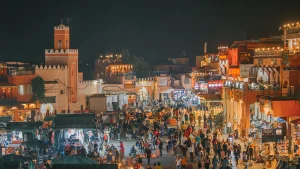
The old medina is the heart of Marrakech and also where most reports associated with marrakech dangerous originate.
What Makes the Medina Feel Unsafe?
-
Narrow alleyways that are easy to get lost in
-
High density of people and motorbikes
-
Unofficial guides offering help
-
Shopkeepers who can be very persistent
-
Sensory overload for new visitors
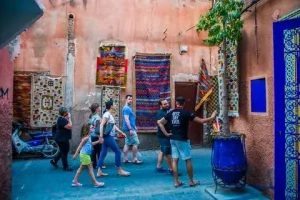
For travelers unfamiliar with North African medinas, this environment can feel chaotic and intimidating. However, feeling uncomfortable does not automatically mean being in danger.
Reality of the Medina
The medina is heavily monitored by tourist police. Serious incidents are rare. Most problems involve verbal pressure, overcharging, or confusion rather than physical harm.
Knowing how to say “no” politely, walking confidently, and avoiding arguments significantly reduces negative encounters.
Common Scams That Fuel the “Marrakech Dangerous” Image
Many online stories that label Marrakech as dangerous actually describe scams rather than crimes. Understanding these in advance is one of the best safety tools.
Typical Tourist Scams
-
Fake guides claiming streets are closed
-
Henna artists demanding inflated prices
-
Overpriced taxi rides without meters
-
Shops switching prices at checkout
-
Friendly locals leading tourists to commission-based stores
These situations are annoying, not dangerous. They rarely escalate if handled calmly and firmly.
Is Marrakech Dangerous for Solo Travelers?
The question is marrakech dangerous is especially common among solo travelers, particularly women.
Solo Male Travelers
Solo male travelers generally face minimal safety issues. Most problems involve sales pressure or overcharging. Walking alone at night in busy areas is usually safe.
Solo Female Travelers
Solo female travelers may experience: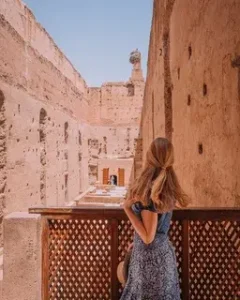
-
Verbal attention
-
Catcalling in some areas
-
Persistent vendors
While uncomfortable, these behaviors rarely escalate to physical danger. Dressing modestly, avoiding isolated streets at night, and choosing reputable accommodations greatly improve comfort and safety.
Thousands of women travel solo to Marrakech every year without serious incidents.
Nighttime Safety in Marrakech
Another factor driving the marrakech dangerous narrative is nighttime activity.
Safe Areas at Night
-
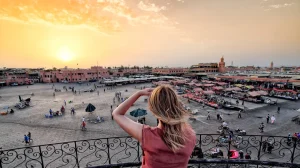
Jemaa el-Fna Square
-
Gueliz district
-
Hivernage
-
Areas near major hotels and riads
These zones remain lively late into the night and are well policed.
Areas to Avoid Late at Night
-
Empty medina alleys
-
Poorly lit residential streets
-
Industrial outskirts
Using taxis at night is recommended, especially for visitors unfamiliar with the city layout.
Transportation Safety in Marrakech
Transportation is often misunderstood and contributes to the perception that Marrakech is dangerous.
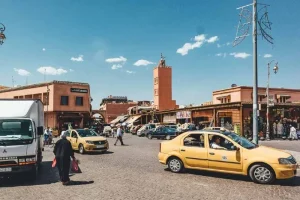
Taxis
Petit taxis are generally safe but should use the meter. If not, agree on the price beforehand.
Walking
Walking is safe in crowded areas during the day. At night, stick to well-lit streets.
Motorbikes
Motorbikes are a real hazard due to narrow streets and fast riding in the medina. Always stay alert and avoid wearing headphones while walking.
Terrorism and Political Safety
Some travelers associate marrakech dangerous with terrorism concerns. In reality, Morocco is one of the most politically stable countries in the region.
Security presence is visible but discreet. Tourist zones, airports, and major attractions are carefully monitored. Incidents involving tourists are extremely rare.
Cultural Misunderstandings vs Real Danger
 Many negative experiences stem from cultural differences rather than actual threats.
Moroccan culture values negotiation, social interaction, and hospitality. What feels aggressive to some visitors is considered normal commercial behavior locally.
Understanding this distinction helps travelers reframe their experiences and reduces unnecessary fear.
Practical Safety Tips for Marrakech
To minimize any risks and fully enjoy the city, follow these practical guidelines:
-
Keep valuables secure and discreet
-
Avoid displaying expensive items
-
Learn basic polite refusals
-
Use Google Maps or offline maps
-
Book tours through reputable agencies
-
Trust your instincts without panicking
-
Choose riads with good reviews
Preparation is the key factor that determines whether a traveler finds Marrakech stressful or magical.
So, Is Marrakech Dangerous or Just Misunderstood?
After examining the facts, it becomes clear that labeling Marrakech as dangerous is misleading.
Yes, Marrakech is intense.
Yes, it requires awareness.
Yes, scams exist.
But marrakech dangerous is not an accurate overall description.
For informed travelers, Marrakech is no more dangerous than many global tourist destinations and often far safer in terms of violent crime.
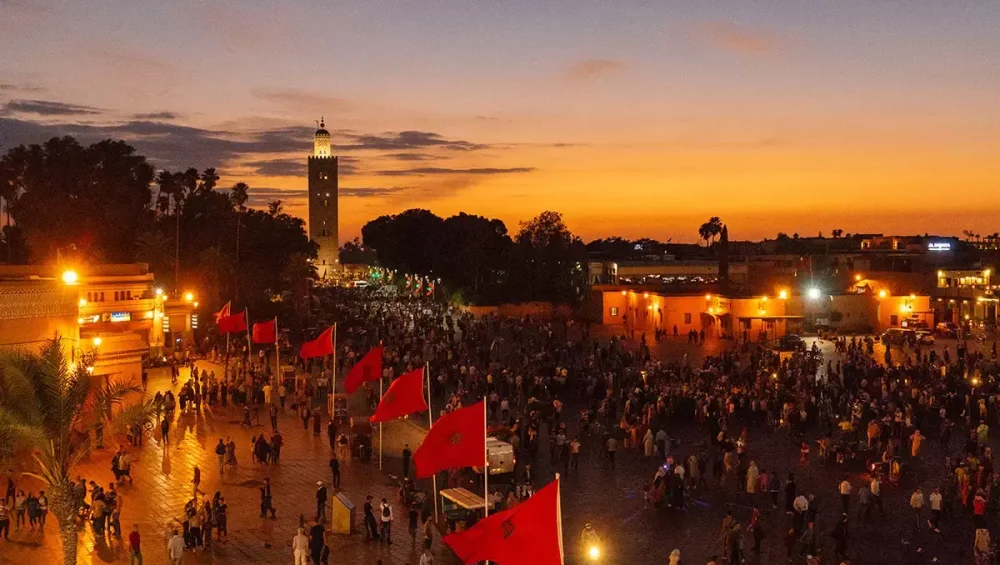
The city rewards curiosity, patience, and cultural openness with unforgettable experiences, from sunrise over the Atlas Mountains to the sounds of evening drums in Jemaa el-Fna.
Final Thoughts
The question is marrakech dangerous deserves a thoughtful answer, not a sensational one. Marrakech is a city that challenges comfort zones, but it does not threaten safety for prepared travelers.
Those who arrive informed, respectful, and aware often leave with stories of warmth, beauty, and connection rather than fear.
Marrakech is not dangerous.
It is powerful, vibrant, and unforgettable.