
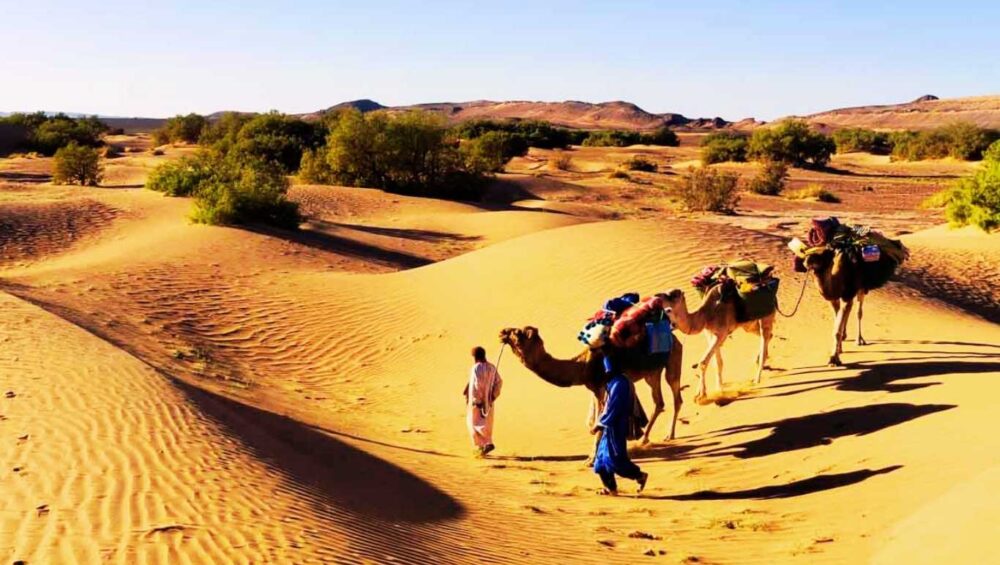
When most travelers imagine Morocco’s Sahara, they picture vast rolling dunes, golden sunsets, and camel caravans moving slowly across the sands. While these iconic scenes are certainly part of the desert’s charm, there is another side to this remarkable landscape that is often overlooked: the extraordinary wildlife. The Sahara of Morocco is alive with a diverse range of species uniquely adapted to survive in one of the harshest environments on Earth. Exploring and learning about the animals on the desert can enrich any journey, offering a deeper appreciation for Morocco’s natural heritage.
The Harsh Beauty of the Sahara
 The Moroccan Sahara is a land of extremes. Rainfall is scarce, sometimes less than 100 mm a year, and summer temperatures can soar above 50°C while nights in winter drop below freezing. Yet, against all odds, life thrives here. Plants like acacias and tamarisks anchor the sands, creating micro-habitats that support a variety of creatures. Among these survivors are the animals on the desert whose unique adaptations have made them symbols of resilience and endurance.
The Icon of the Sahara: The Camel Dromedary
No exploration of animals on the desert is complete without mentioning the dromedary camel. Known as the “ship of the desert,” this one-humped camel has been the backbone of desert travel for centuries. Able to go days without water, camels are perfectly suited for long journeys across the dunes. In Morocco, riding camels is not only a tourist experience but also a connection to the deep nomadic traditions of the region. Observing these majestic animals in their natural environment is both fascinating and essential for understanding desert life.
Small But Everywhere: Beetles
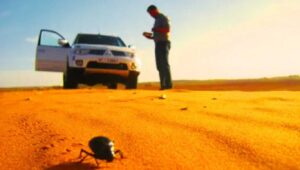 While camels dominate the landscape, smaller creatures leave their own mark. Trails on the sand often reveal the presence of beetles, which are among the most numerous animals on the desert. Their tracks crisscross the dunes, and their ecological role is vital, breaking down organic matter and helping recycle nutrients in this arid ecosystem. These small but resilient insects are easy to spot during treks in Erg Chebbi or Erg Chigaga.
The Barbary Ground Squirrel
The Barbary ground squirrel is another unique inhabitant. Living in rocky areas of the Anti-Atlas and scattered oases, these squirrels feed mainly on seeds and fruits such as almonds and argan nuts. Their curious nature makes them a delight to encounter, reminding travelers that animals on the desert are not only about survival but also about surprising diversity.
Reptiles of the Sahara
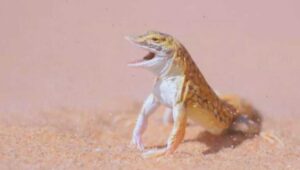
Morocco’s desert is home to many reptiles, each with extraordinary adaptations. The Moroccan spiny-tailed lizard, also called Uromastyx, thrives in rocky terrain. Its ability to change color depending on temperature helps regulate its body heat. Another remarkable reptile is the Berber skink, locally called “sandfish,” which can literally swim through sand. Watching it vanish beneath the dunes is an unforgettable experience for visitors. These creatures embody the resourcefulness of animals on the desert.
The Elusive Night Wanderers
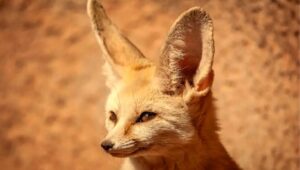
Some desert animals are rarely seen because they are nocturnal. The fennec fox, with its oversized ears, is perhaps the most famous. Known locally as Qrchan, the fennec fox uses its ears to detect prey and regulate body temperature. Though hard to spot in the wild, these small foxes symbolize the mysterious side of desert life. The Saharan striped polecat, also known as Tadghagha, is even rarer, living on the margins of deserts and facing the threat of extinction. These nocturnal hunters remind us of the fragile balance of ecosystems that sustain animals on the desert.
Dangerous but Essential: Snakes and Scorpions
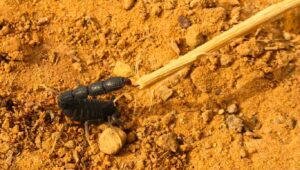 Among the most striking residents are the Saharan horned vipers. Short but venomous, these snakes bury themselves in sand to ambush prey. Scorpions also roam the desert, feared yet essential to the ecosystem. While these animals on the desert might evoke caution, their presence is a testament to the complexity of life in such a harsh climate. With a guide, travelers can safely learn about them and appreciate their role in the desert’s ecological web.
Mammals of the Night: Jerboas and Hedgehogs
The jerboa is one of the desert’s most charming creatures. With long hind legs like a kangaroo, it hops across the sand at night, avoiding predators while searching for food. Its resemblance to miniature kangaroos makes it an instant favorite among visitors. Similarly, the desert hedgehog, the smallest among hedgehogs, hides in burrows during the day and emerges at night to forage. Observing these nocturnal mammals gives travelers a unique perspective on the lesser-known animals on the desert.
Rare and Endangered Species
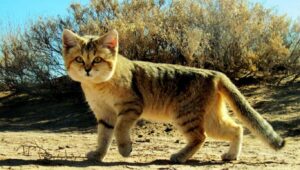 Some species are on the brink of disappearing. The desert monitor lizard, which can grow up to two meters, is increasingly endangered due to habitat loss. The sand cat (Felis margarita), a small feline perfectly adapted to desert life, is also under threat. With furry paws to protect it from scorching sands, the sand cat is a symbol of desert mystery. Morocco is working to preserve these species, but seeing them in the wild is a rare privilege. Protecting such animals on the desert is crucial for maintaining biodiversity.
Birds of the Sahara
Surprisingly, the desert is also home to fascinating birdlife. Migratory birds cross the Sahara every year, and some species like the desert sparrow and sandgrouse are permanent residents. Falcons and eagles can be spotted soaring above the dunes, while oases attract colorful species like flamingos. Birdwatching in the Sahara reveals that animals on the desert extend far beyond mammals and reptiles.
Cultural Connection with Desert Animals
For centuries, desert nomads have lived alongside these animals. Camels provided transport, fennec foxes and jerboas appear in local folklore, and reptiles are respected for their survival skills. Today, travelers can experience this cultural bond by staying with nomadic families or joining camel caravans, gaining insights into how humans and animals on the desert coexist.
Conservation Challenges
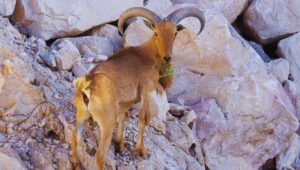
Sadly, many desert species are endangered due to climate change, overgrazing, and human activities. Gazelles, African golden wolves, and sand cats are among those at risk. Conservation programs in Morocco, such as reintroducing the scimitar-horned oryx, highlight the urgent need to protect desert fauna. Sustainable tourism plays a role by raising awareness and supporting local communities that protect the habitats of animals on the desert.
Experiencing the Wildlife Firsthand
 The best way to see these animals is by joining guided treks in Erg Chebbi or Erg Chigaga. Camel trekking, night walks, and camping under the stars give travelers the chance to hear the desert come alive after dark. With patience and the guidance of locals, visitors may glimpse jerboas hopping across dunes, beetles leaving tracks in the sand, or even the elusive fennec fox. Each encounter reinforces the richness of life among the animals on the desert.
Conclusion: A Living Desert
Morocco’s Sahara is far from lifeless. Beneath the vast sky and endless dunes thrives a complex ecosystem filled with resilient creatures. From iconic camels to elusive sand cats, the animals on the desert embody the spirit of survival and adaptation. For travelers, witnessing this hidden world adds depth to the beauty of the Sahara. Protecting these species ensures that future generations will continue to marvel at the extraordinary wildlife of Morocco’s deserts.